A review of the Leica Q2 28mm
Optically exceptional. Part jewelry, part tank. In a compact, sexy, industrial shell.
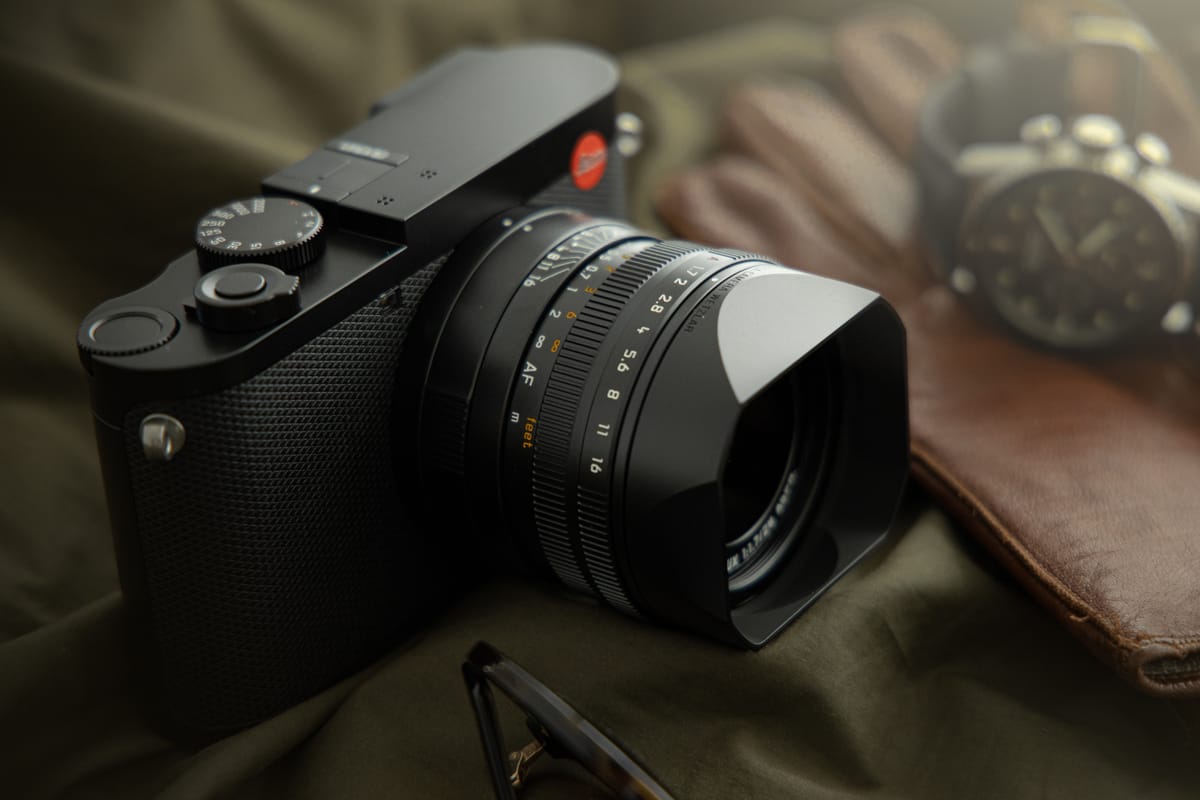
I craved the Q2 unlike any other piece of kit in the history of photography, to the point that I went out of my way to find and purchase the camera while it was in short supply. At great financial disadvantage, I might add. I took it on multiple trips, used it on the street, took pictures of the family at home. To this day the Q2 photo library is one of the largest in my database. It performed admirably in all scenarios, but not without a few odd quirks that are odd at this price point and pedigree.
The Q2 is a very competent piece of equipment. I've been a huge fan of fixed-lens compacts for as long as I remember and the Leica has a distinctive edge over the Fuji and Sony offerings in terms of optical performance, build quality, resolution - all while maintaining a trim figure. It's also a deligh to handle and a reminder of bygone manufacturing standards where things were built to last.

It's hard to completely ignore the mythos of the Leica brand when discussing this camera. An exceptionally wealthy photographic heritage stretches from 1869 with legendary artists such as Henri Cartier-Bresson, Robert Frank, and Garry Winogrand. Precision engineering, artisenal manufacturing, and hand assembly are just a few of the reasons why a Leica commands prices that are a multiple of the closest competitor. Leica always makes me think of the watch industry. Similar to a desirable Rolex model, a large chunk of the premium for a Leica is driven by desire, brand status, and perceived scarcity. Unsurprisingly, a large and passionate following will often make arbitrary claims about a "Leica look", "Leica pop", or propriatary image processing. Take it with a grain of salt. Yes, Leica has bundled the Q2 with excellent optics at 28mm but the rest of the industry hasn't been sleeping either.
Where Leica does push the boundaries is the quality of everything they build by hand in their elf village - the sensor, the body, the lens.
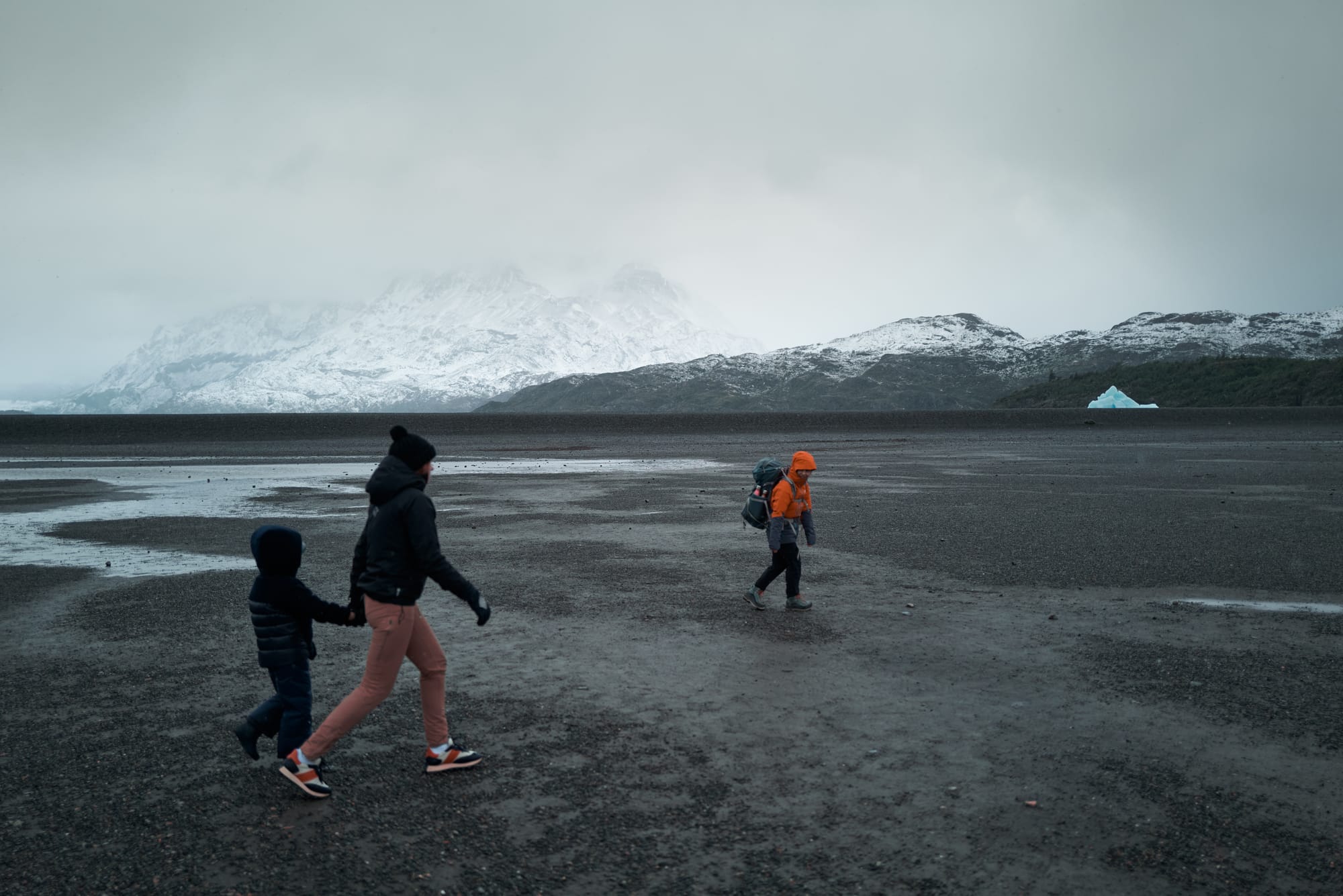

Patagonia
This unprofessional review focuses on two primary categories of "feedback" to Leica as they ponder their future product roadmap for the lucky few of us oligarchs able to afford this piece of capable photographic jewelry. First - the lens and sensor. Second - the ergonomics of the body. Neither of these will be scientific, but my overinflated ego tells me there are millions of readers shaking in anticipatory anxiety to hear my opinion. Right, on to the meat.
Sensor & lens
The 47MP beast-of-a-sensor is not something I thought I needed until I saw the files. They're ludicrous in their resolution, medium-format like. Throw your images on a 5K display and marvel away. Your friendly neighborhood point and shoot can now print medium-format images on a banner by the highway. You never will, but it can. The lens is silly sharp wide open. I pull back on the clarity and structure sliders in Capture One as the default these days for fear of a migrane induced by crisp pixels. This gets even crazier on the Q3 43mm with its 60MP sensor, but that's another article altogether.
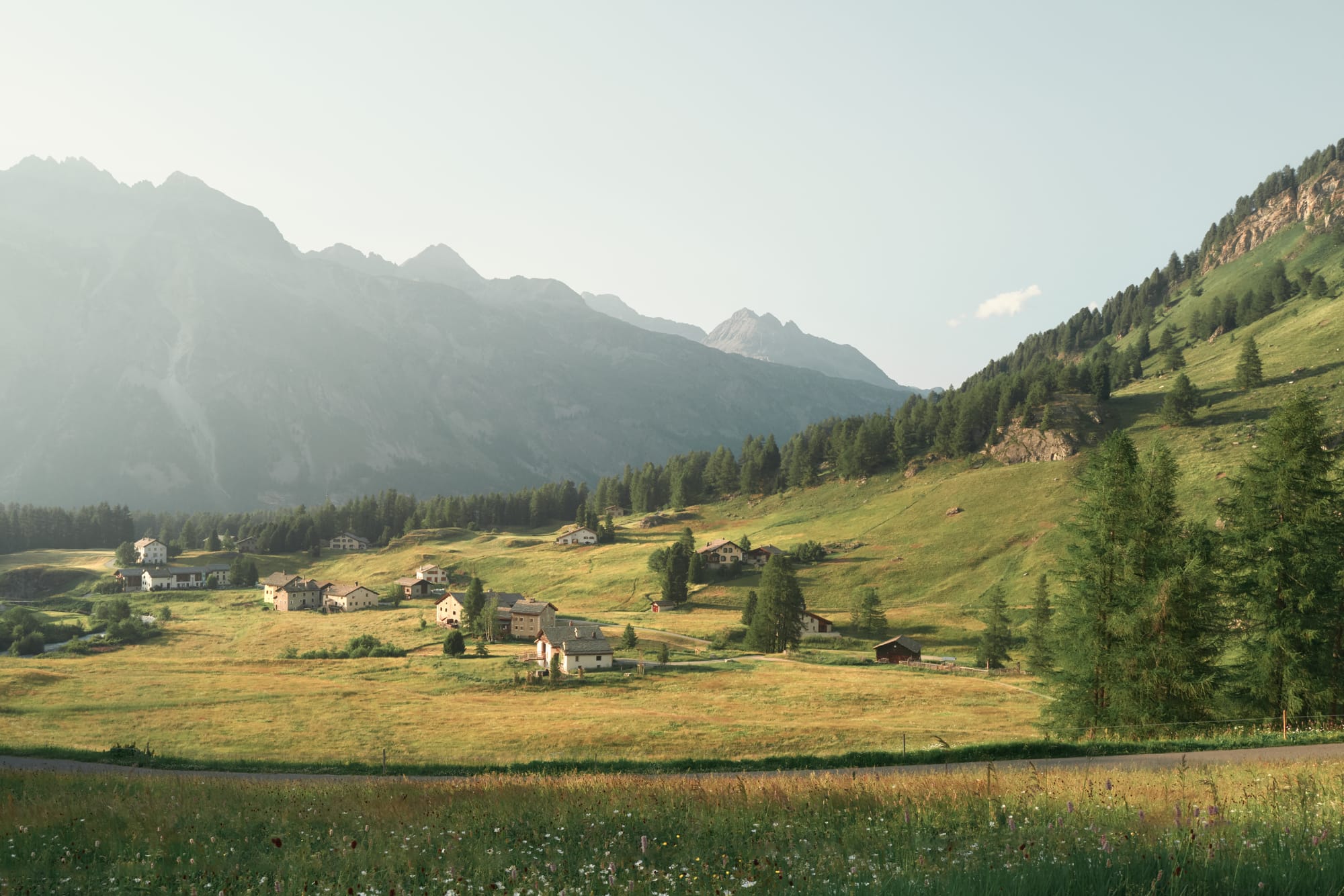

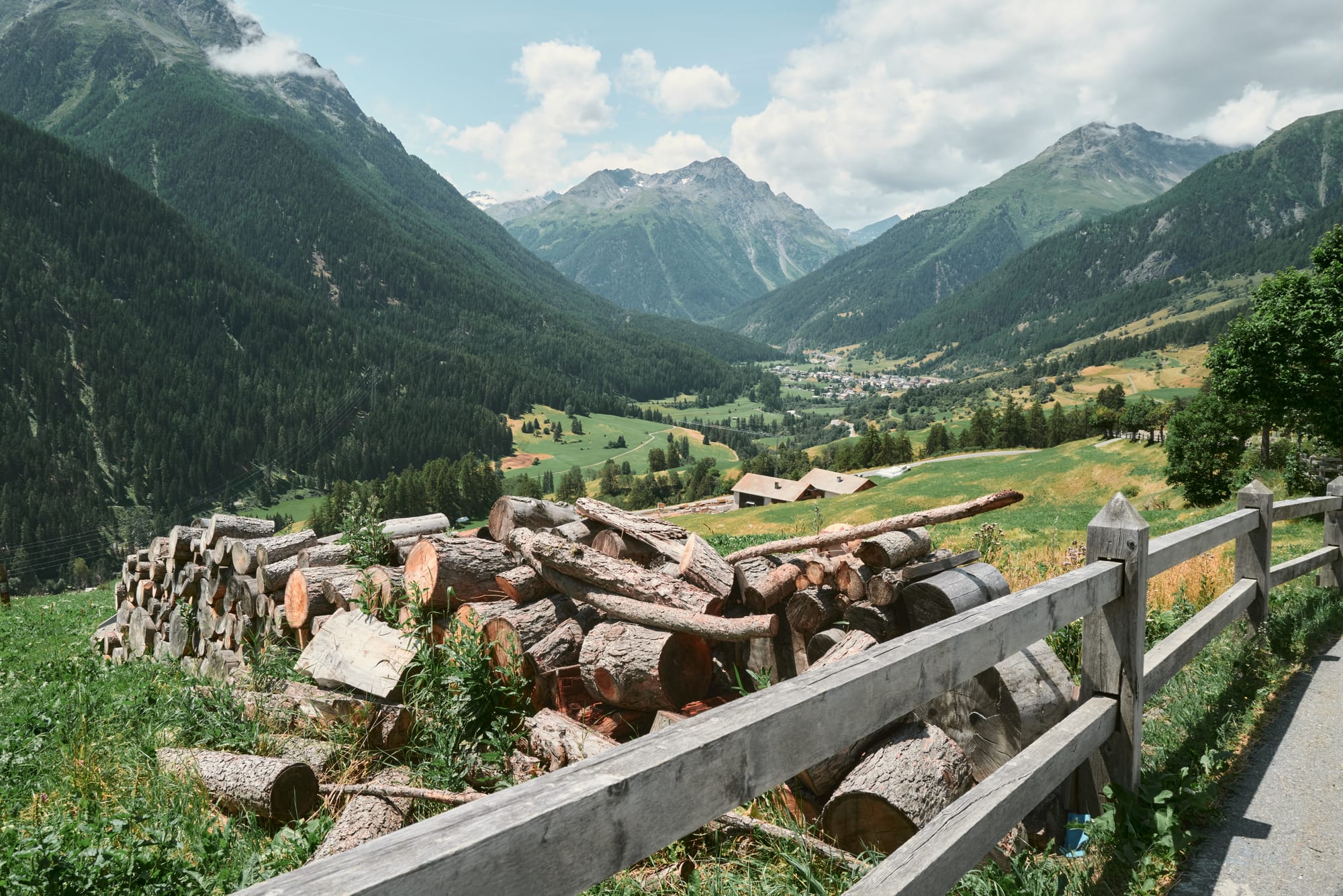
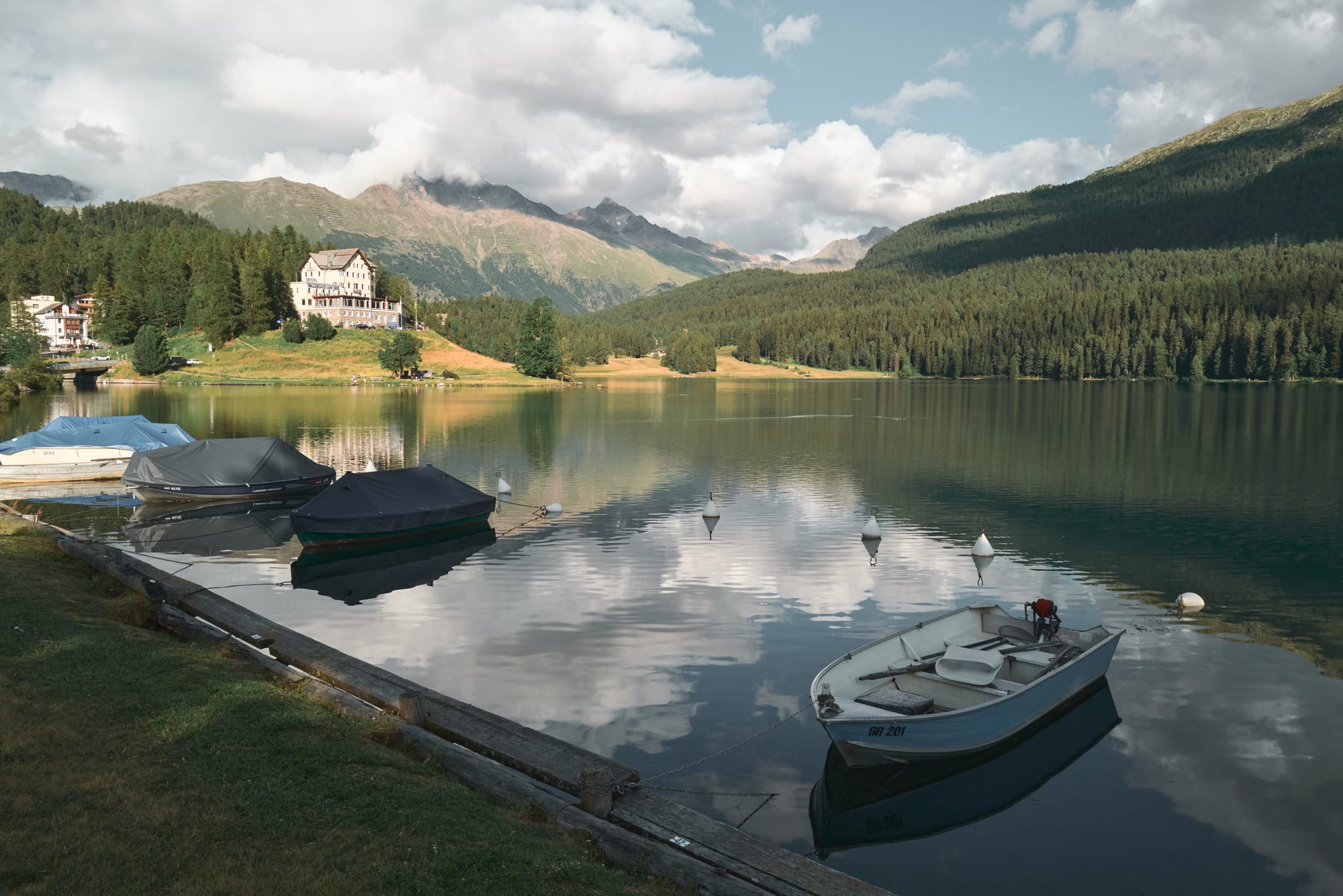
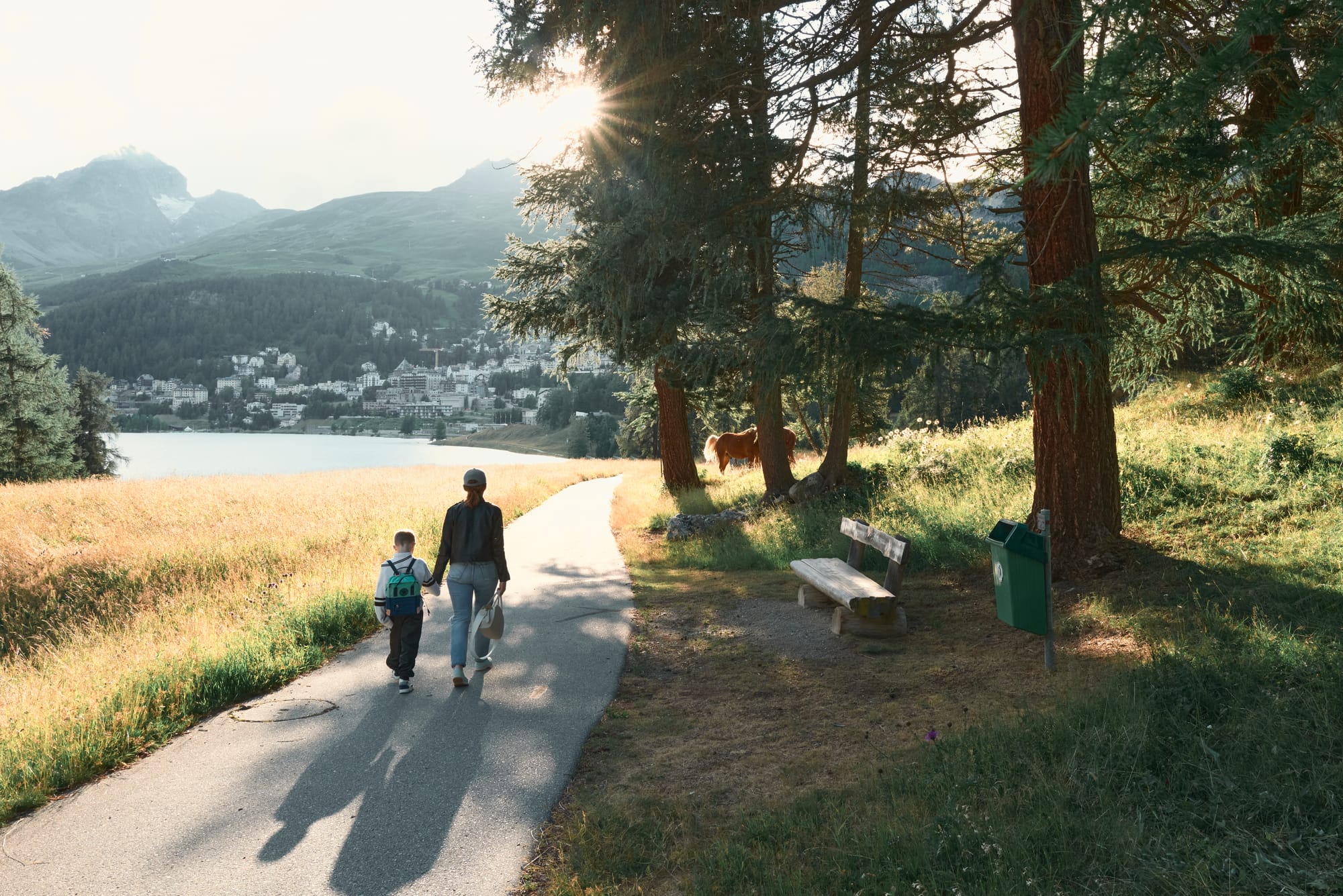
The argument behind the large sensor is that the camera has baked in "crop" modes to simulate additional focal lengths. With a push of a button you're able to see an outline around a, for example, 35mm or 50mm equivalent field of view. The feature works largely as promised, albeit you do lose that beefy resolution as you continue to crop down. Leica says you can take this one camera on your holiday trip and it will cover all the focal lengths you may need. While the crops are usable, you don't actually have a 50mm F1.4 lens on a full frame sensor at your disposal. Shooting wide open, the 28mm F1.4 renders a 15 megapixel 50mm @ F3 equivalent image... so not much of a portrait shooter for you bokeh fetishists, but it gets the job done. Hold that thought.
The sensor, however, has a Mr. Hyde side to it. At 47MP the raw files weigh as much as a bar of depleted uranium - up to 90MB per shot! Yes, you can shoot jpegs, but personally I am underwhelmed by the color rendition of the Maestro processing engine and it does not match what I want my image to feel like. The camera has very minor adjustments available through software and made me seriously long for some Fuji colors out of the box. My six core Macbook starts levitating on the ventilation fan exhaust the moment I import fifty of the Leica Q2 DNGs into Lightroom. Not only are the files heavy storage-wise, Lightroom gets totally crippled having to process that much data during import. Working with the files is manageable one at a time, but they're no joke.


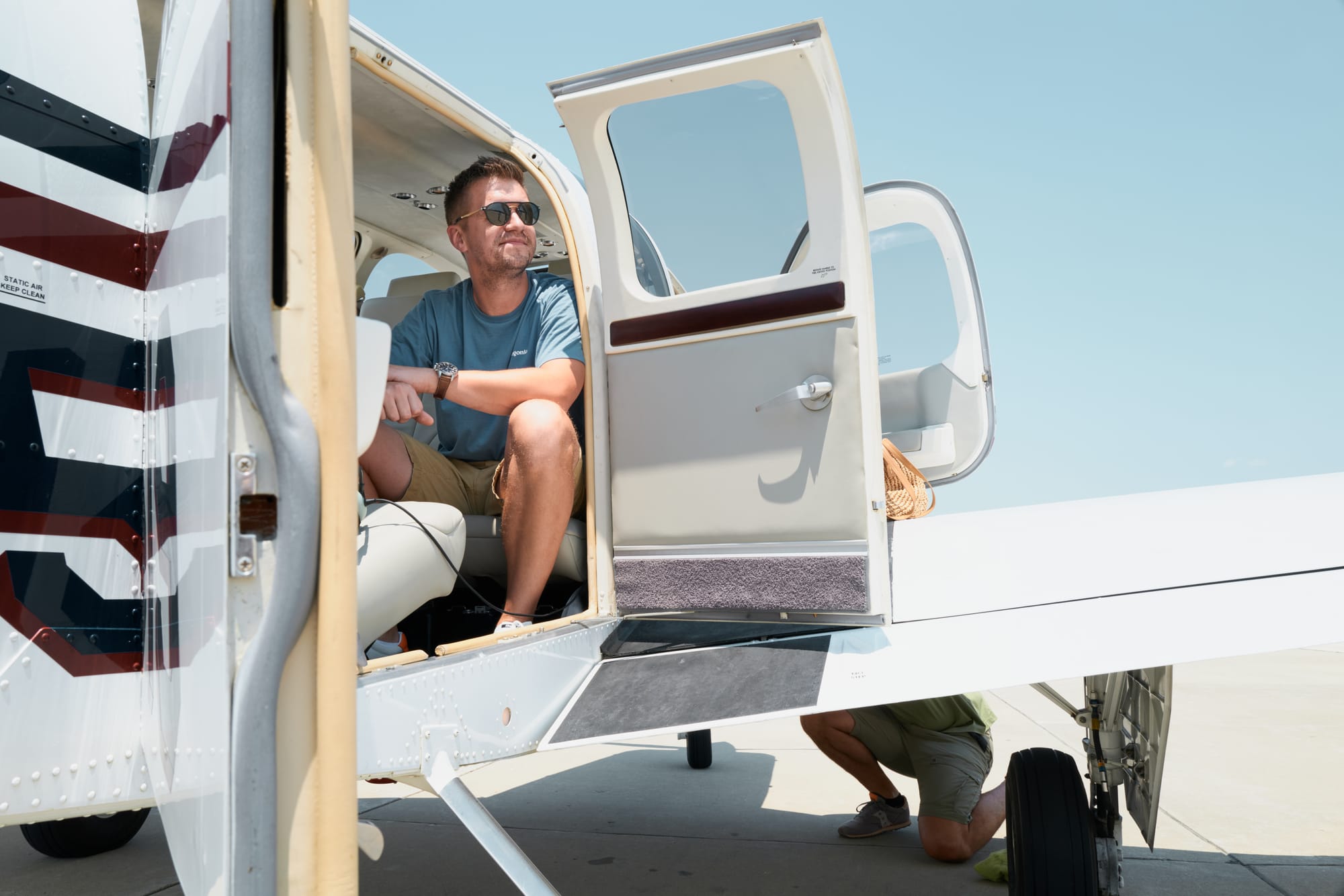

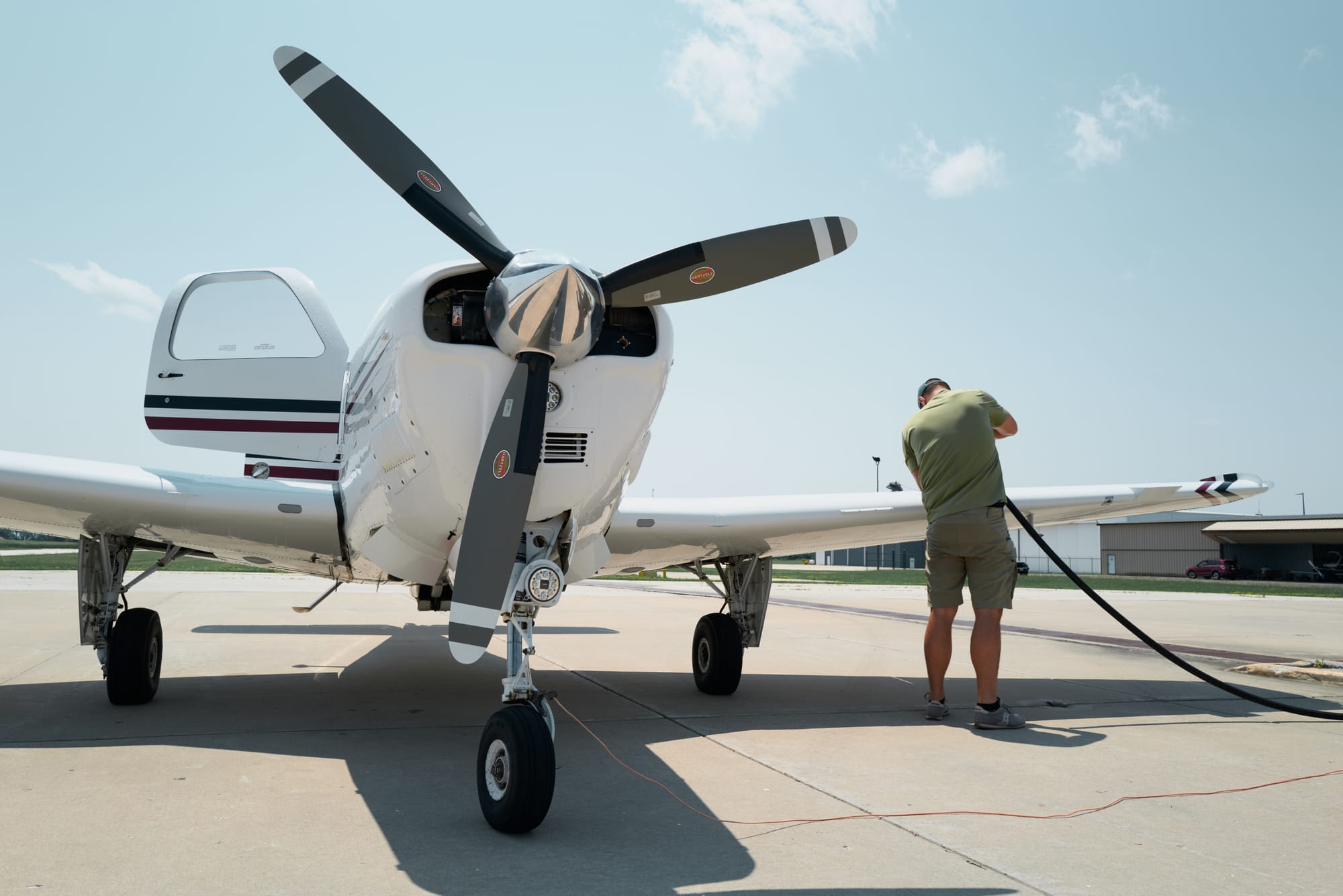
This Leica sensor is especially sensititve to blown highlights. This isn't necessarily a limitation, just something to be conscious of when exposing a scene that has a wide range. Shadows are easy to recover and have great detail and low noise in them, but a blown highlight is impossible to recover.
Leica should steal more. Fuji recipes is a brilliant idea for in-camera post processing, but in addition Leica could throw in a basic curve adjustment tool.After the early stages of the digital era everyone realized that ultra-clean, ultra realistic files were... too sanitary. The industry, the photographers are all playing with film simulation on digital cameras because hyperrealism is never the end goal. A feeling is. I haven't fallen as low as to play vinyls yet, but I do like the crunched look of film on my digital files.
The 28mm F1.7 Summilux lens quality is out of this world. Some people are rightfully saying that buying this type of Leica glass alone would run you close to $5K and the Q2 body is thrown in for free when you buy this package. The statement is probably a stretch, but this glass showed no aberrations wide open in a variety of shooting scenarios.

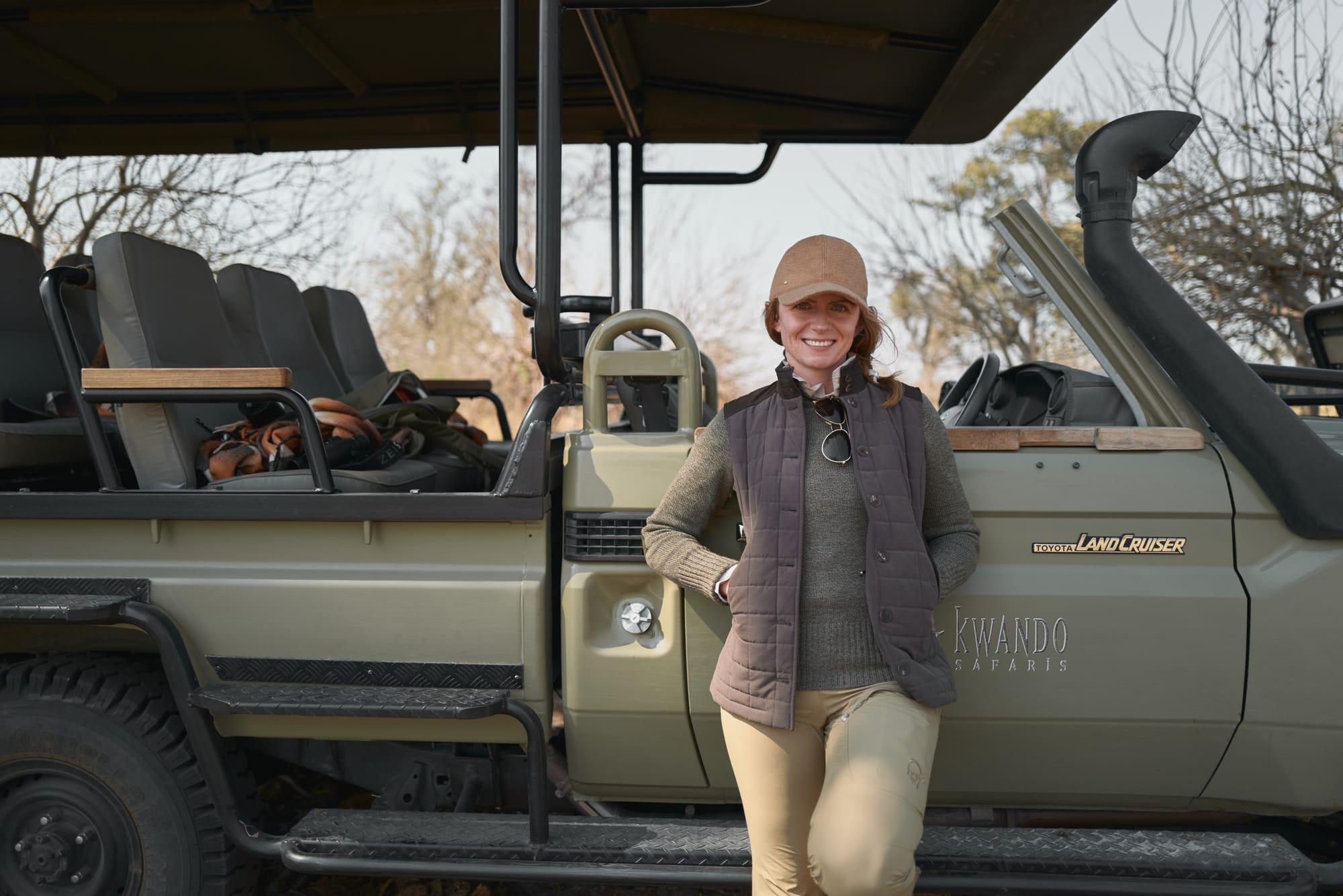
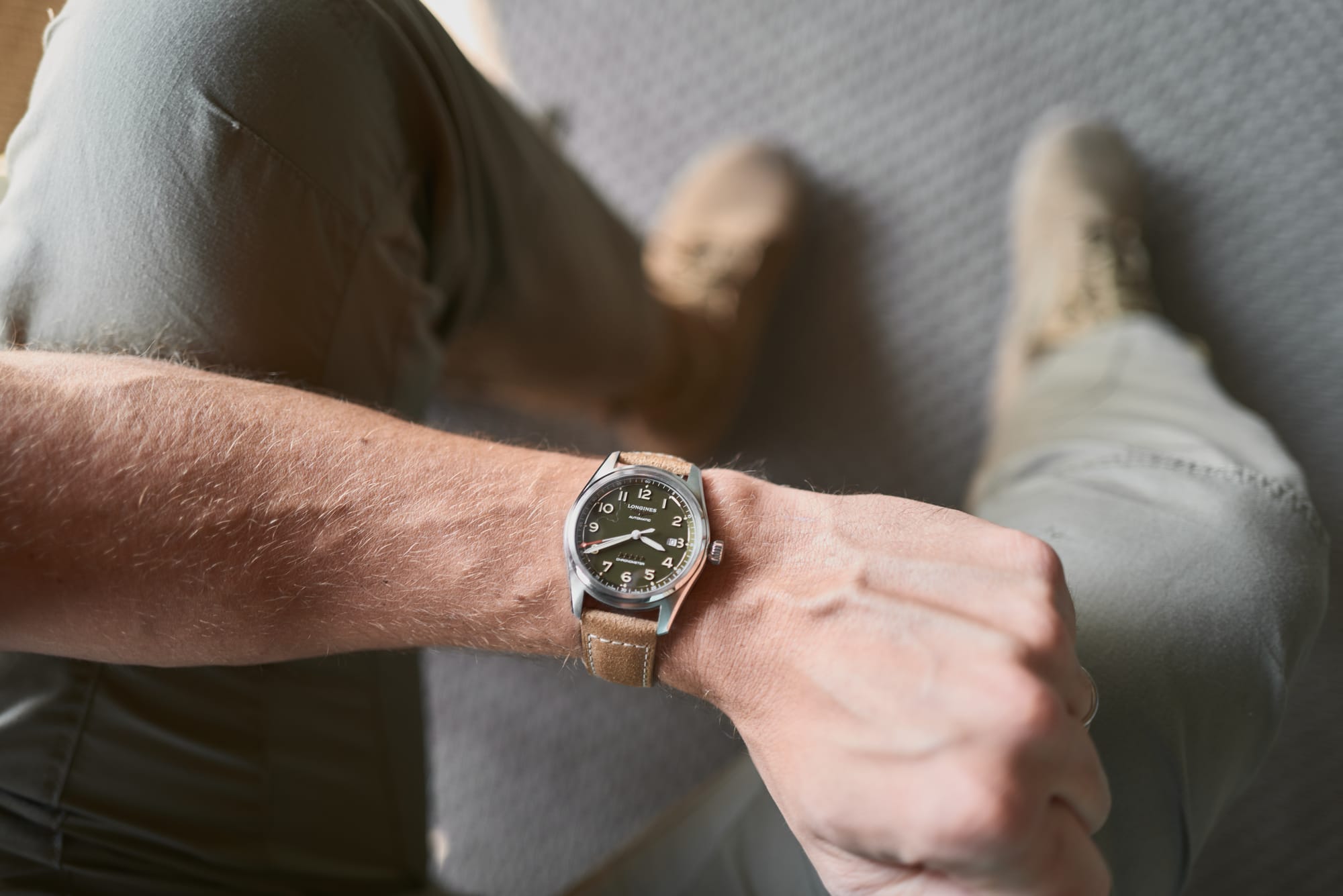
Botswana
I find 28mm slightly too wide for subjects I shoot and I'll talk about why "cropping in" is not really the best solution in the ergonomics section of the review. I really think Leica could build a killer product with a baked in 35mm F1.4 lens - wide enough for contextual street shots, shallow when needed for portraits, small enough to be a compact.
Note: They did. And I bought it. The Q3 43mm is ideal.
Ergonomics
The two key benefits of a compact are that a) you are more likely to bring a small, light camera along, and b) people pay less attention to you, even when being photographed. Because Leica wants you to feel less guilt about sacrificing your children's private education to purchase a toy they have used metals extracted from a collapsed star to design the case of the Q2. The sensation of holding the Q2 is both tactile heaven as well as existential dread - that's one tiny, heavy, slippery $5,000 box.
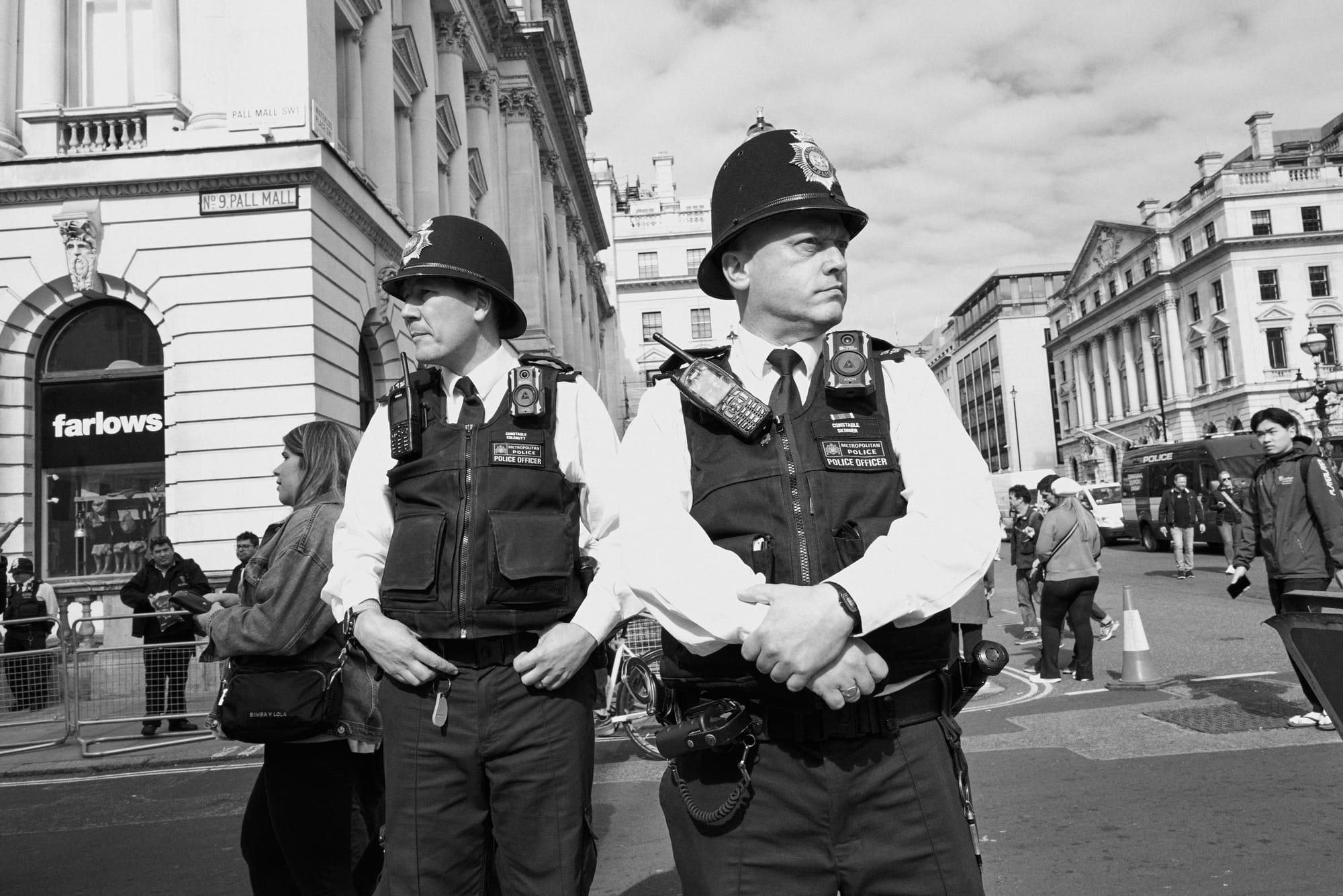
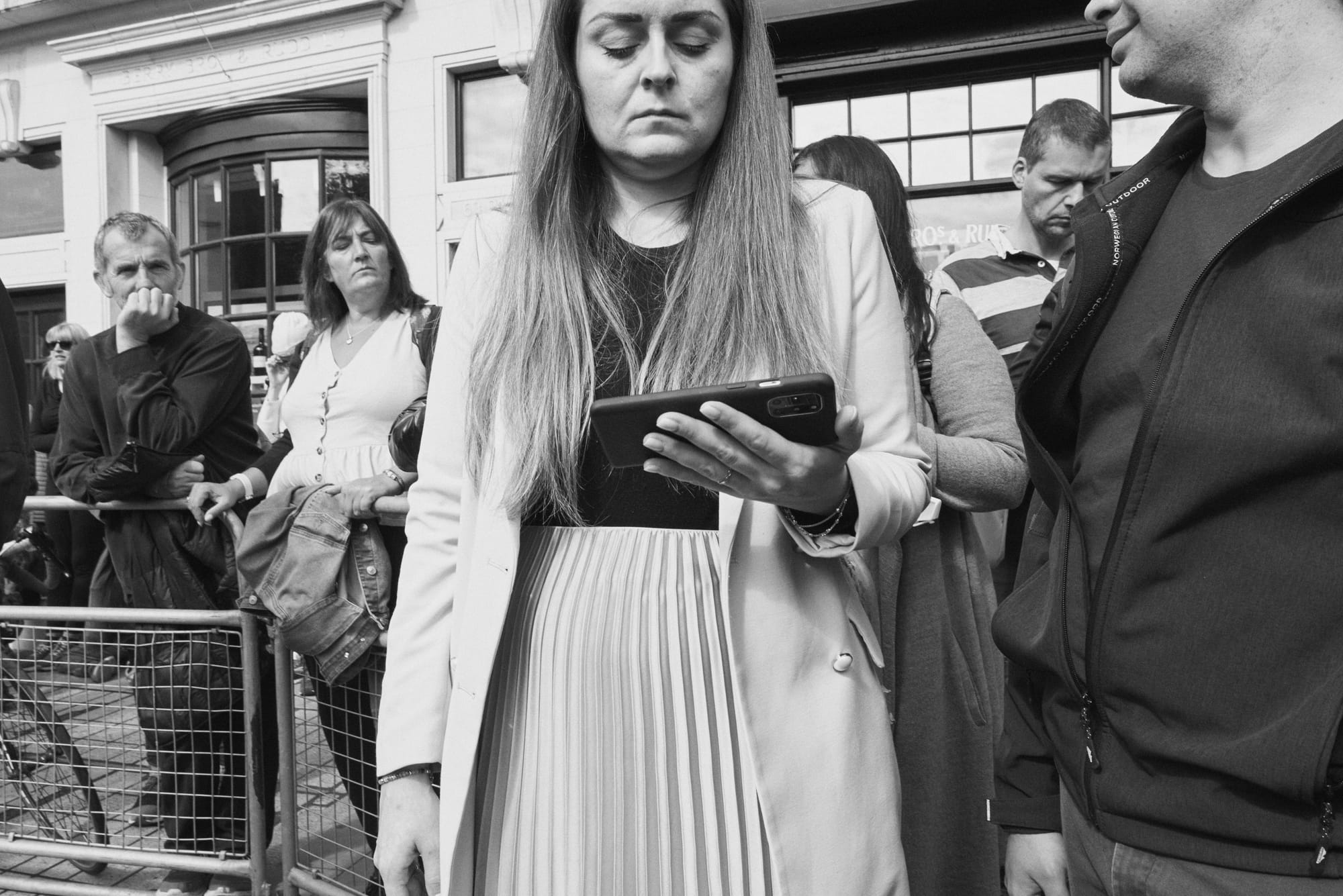
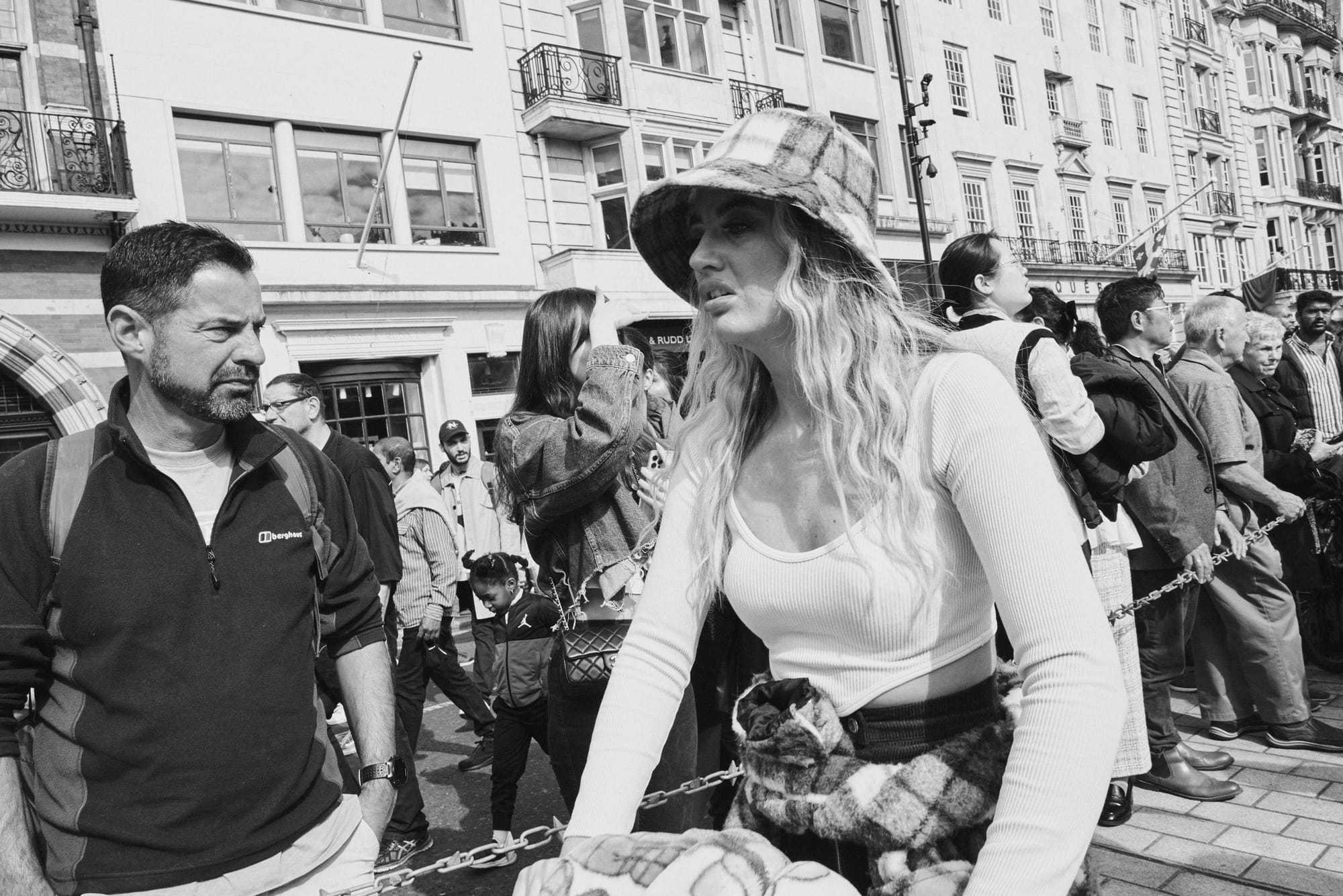
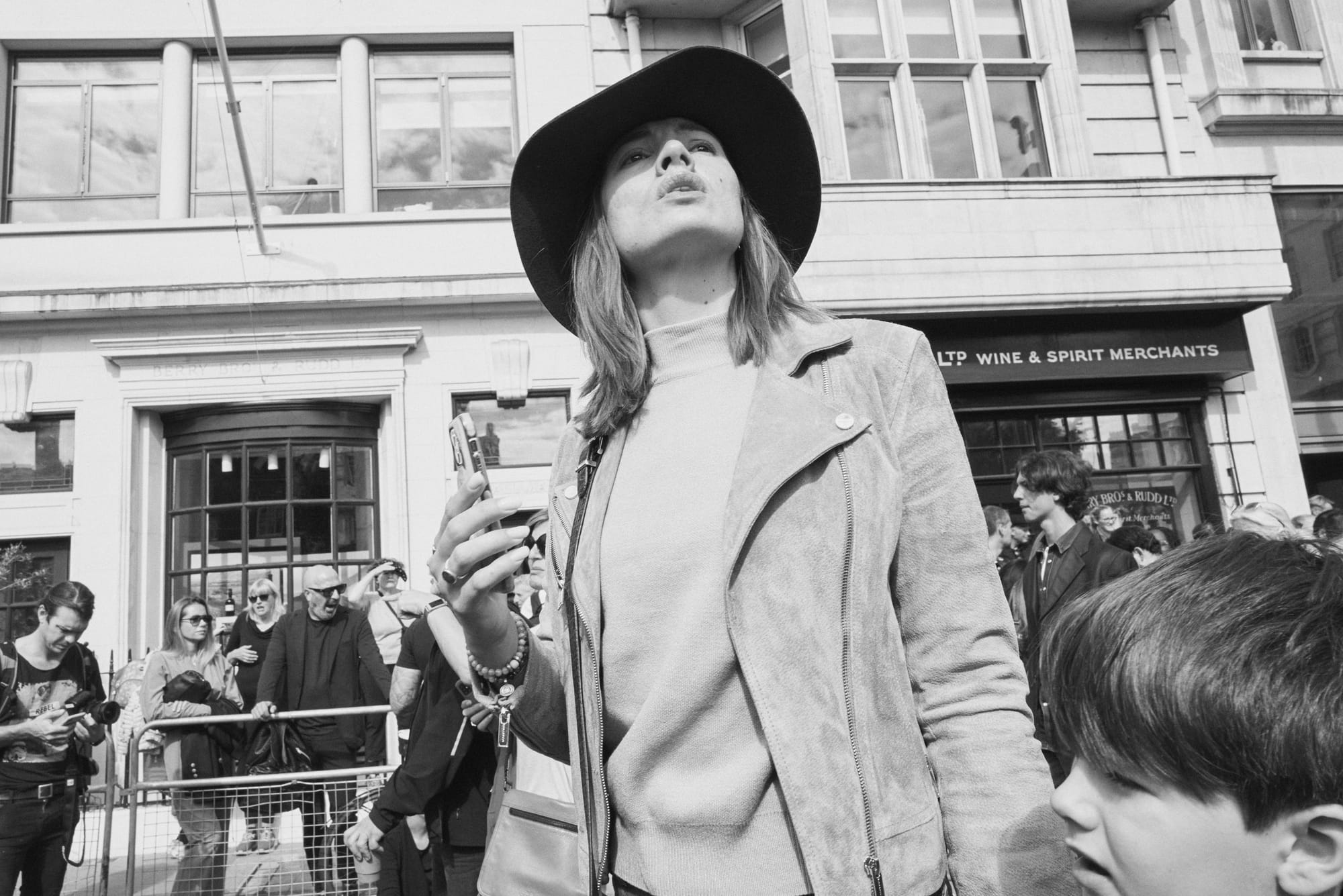
Queen Elizabeth II's state funeral.
A thumb notch built into the camera does provide a lackluster assist in the ergonomics department, but I've ordered a dedicated thumb grip so I could flail my camera around carelessly. It helps and stays on all the time. The weight and size of the Q2 also makes me slightly uneasy to throw the camera to the bottom of the backpack for a daily cary... after four months of semi-active use I can already see paint chipping away on the corners of the base. The lens cap has a tendency to slip off the camera, as well, but the hood provides adequate protection. To summarize, the Leica Q2 accomplishes to be both compact as well as too large and too heavy to be treated as a typical compact. Quirky.
Leica decided to hide most of the camera's setting in the LCD menu's, leaving you with fundamentals such as shutter speed, f-stop, and exposure compensation as mechanical dials on the body. I was initially irritated by this decision - who has ever complained about too many dials on the surface of a retro-styled compact anyway? Two of the buttons on the camera, however, can be used to cycle through your preferred settings (e.g. changing ISO) so it's a manageable offense. Holding either of the buttons also allows you to cycle through a list of your favorite settings prior to changing the values - a nice little trick.
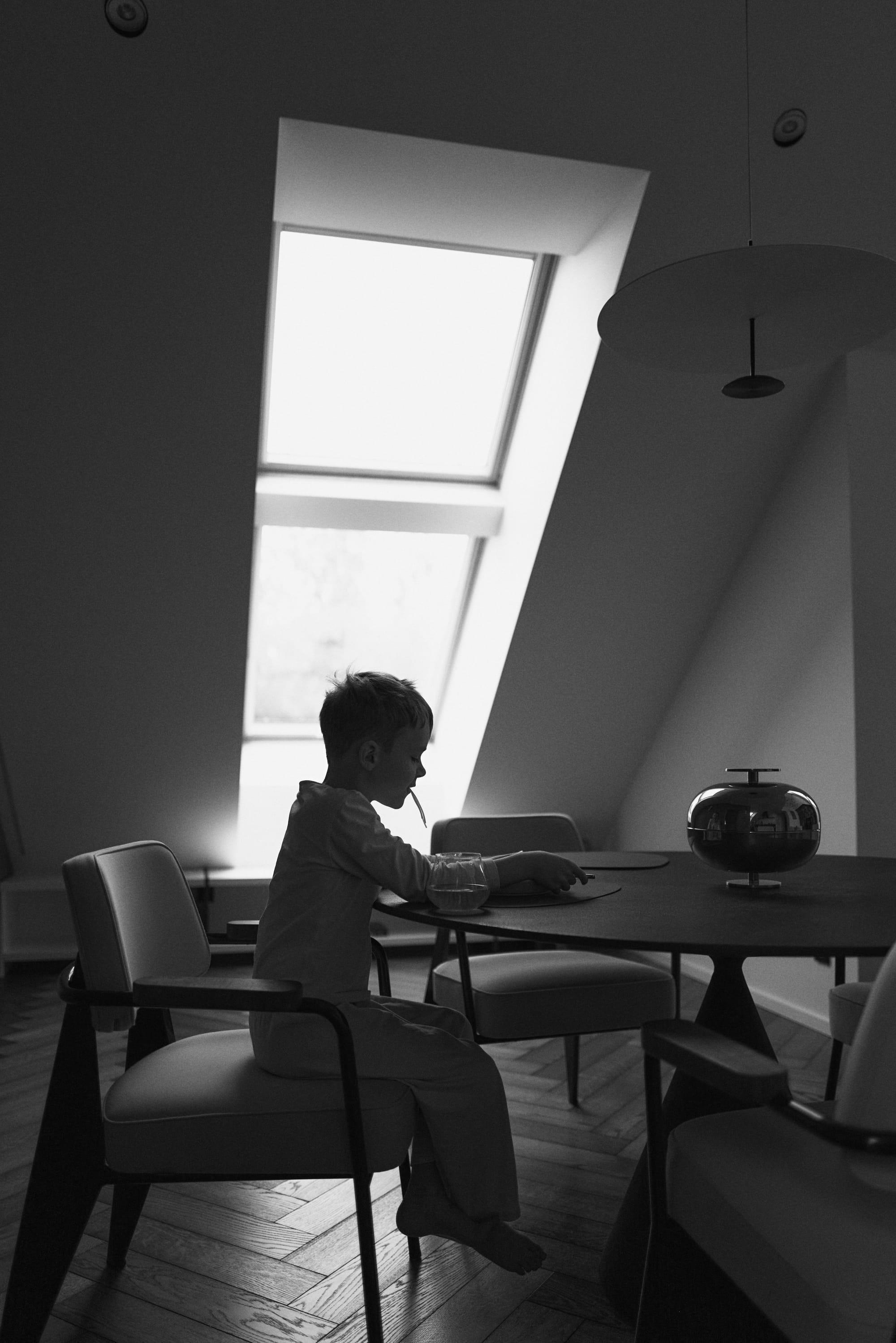

From what I've read about a variety of manufacturers, the body size of the camera is the primary constraint that influences how large of an EVF a camera can fit in its guts. Larger is obviously better. Compare a Fuji X-T3 and a Canon EOS R - both sporting similar EVF resolution, but the Canon managed to cram a much bigger screen inside the box. The shooting experience is night and day, especially for a visually challenged operator such as I. Luckily, the Q2 has a brilliant, large, bright, high refresh rate EVF in its little body.
I mentioned the lens simulation crop modes in the previous section and those are by all means useful. The issue that could be easily fixed through a menu option is how the crop framing is handled in camera, on the EVF. Instead of zooming into the frame, the camera throws an outline on the screen to show you what your selected focal distance will capture. While this may be my own limitation, I see two issues with this:
- I like composing in a box. It helps me eliminate noise and I see the composition better when there's a "frame" of nothing around my subject. The Leica introduces information that is outside of my frame and it confuses the crap out of me (because it's always a 28mm view).
- Simulating a 50mm lens essentially forces you to use 50% of the EVF to compose your shot... why not just add an option where I could zoom in and have the 50mm point of view fill my whole frame in the EVF?
- I recognize this is legacy rangefinder choice, but all I ask is an option in the settings.
To conclude the ergonomics discussion I will say that the compact size and utterly silent shutter means that the Q2 can be equally effectively used at parties, street, and places of worship for your preferred deity.


Outliers
There's a third topic I failed to mention at the beginning of the article and these are the odd shortcommings that are likely related to Leica being a small boutique manufacturer with limited resources.
The startup time of the camera is slower than a full size mirrorless and slower than the Fuji line of compacts. They have improved the software (recent release improved the UI, as well) and the responsiveness seems to be better. Fuji X100 line has an almost instant-on boot, which makes me think this is an optimization issue vs. hardware limitations (seeing as the Q2 is larger and likely has a better processor).
The focusing is accurate, but clunky. Manual focus is right there at your fingertips and the focusing ring is butter smooth. I don't expect the Q2 to have the same capabilities as a Sony A7RV, but again it feels like some of this is a software issue as opposed to limitations of hardware.
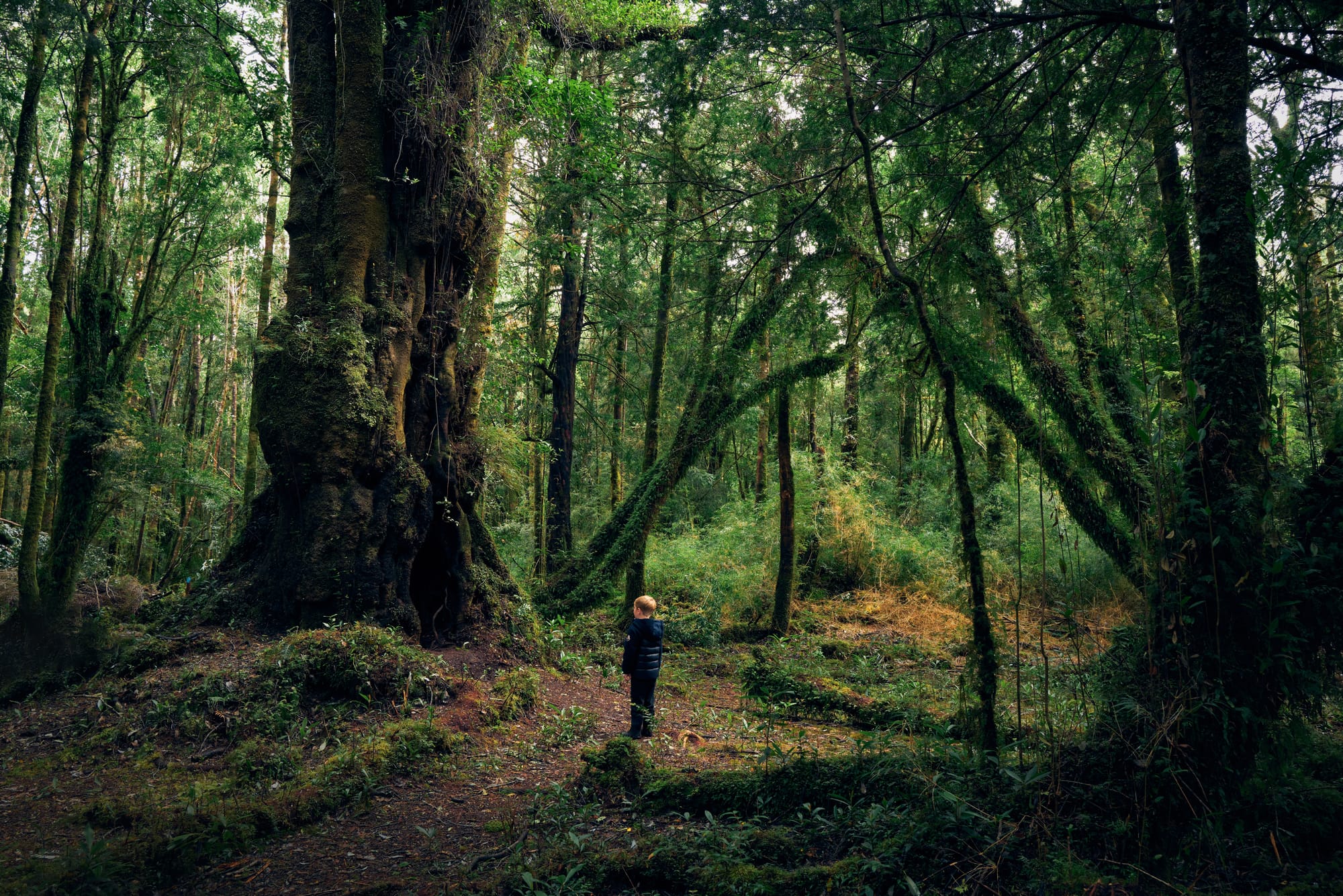
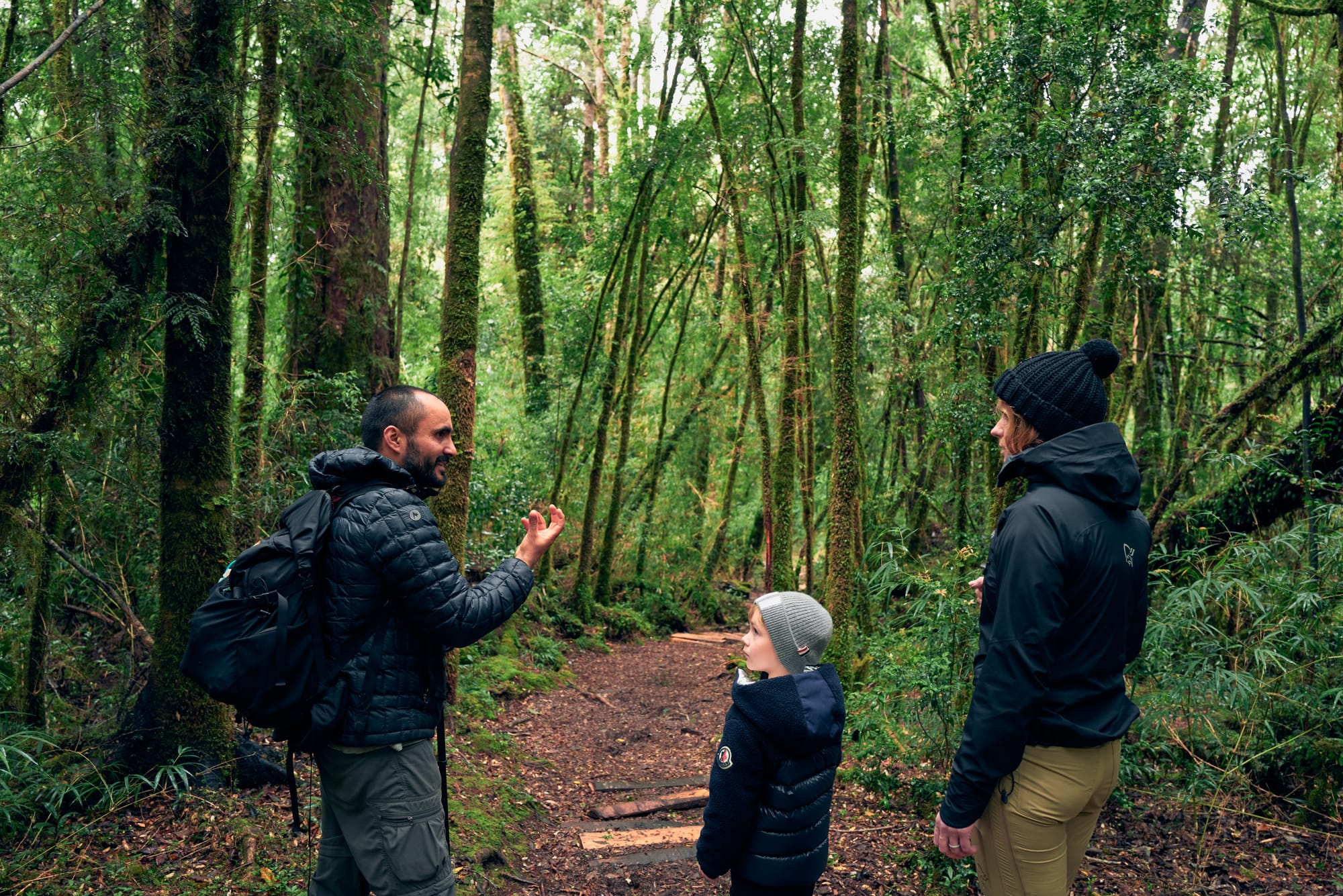
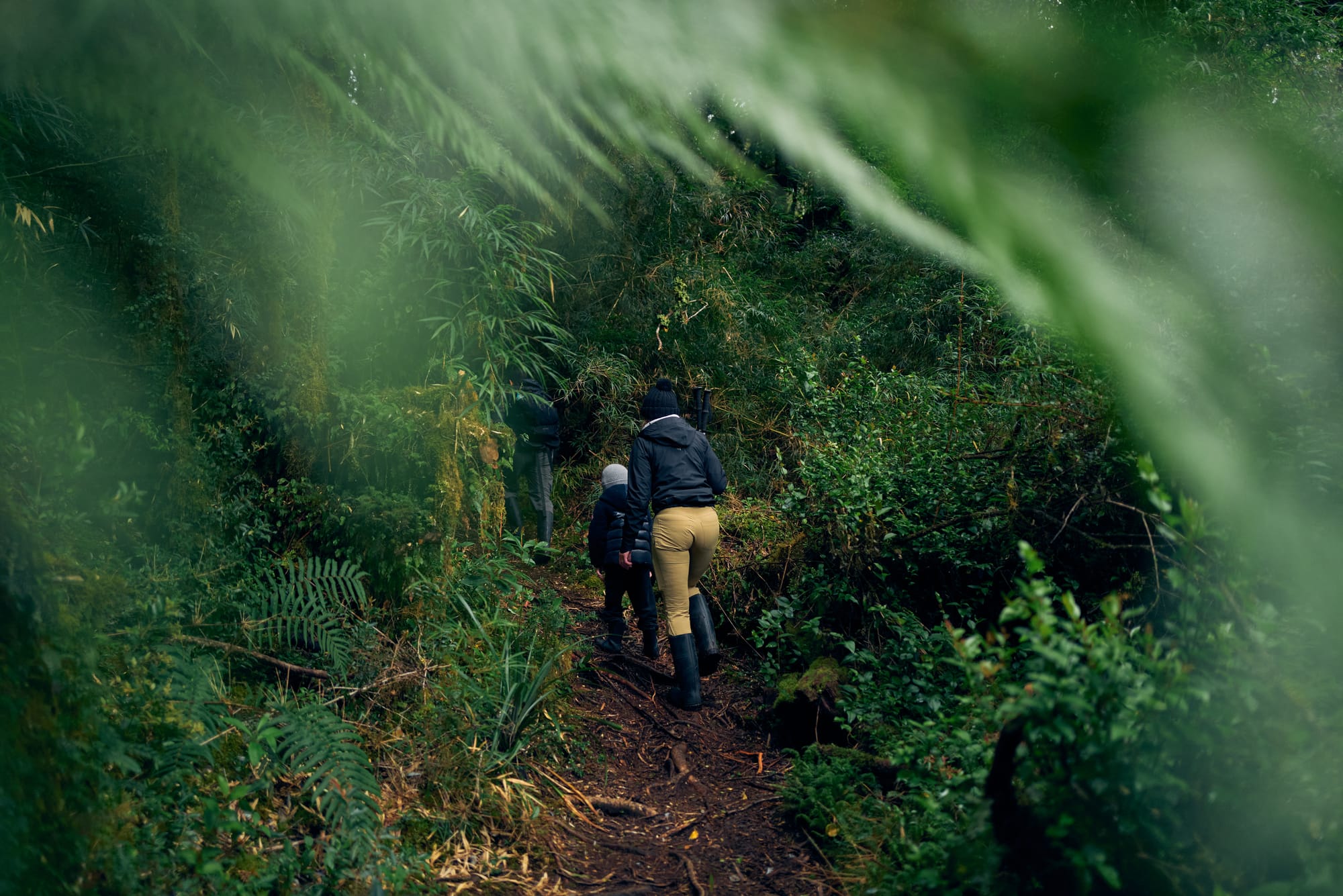


Tropical rain forests in Chile
Conclusion
The Leica Q2 is not a perfect compact camera, but its quirks are tolerable and acceptable as character traits. It's an absolutely incredible piece of kit by many accounts and only one of two full-frame compact cameras available on the market today (2019). The other one being the Sony RX2. This will change over time, but I'm glad Leica made this bet and paved the way for others. I also suspect that the Q was a survival tactic by a brand that could foresee the photography industry being disrupted by the mobile phone. The Q is accessible (and fashionable) to a consumer photographer, while the M platform requires a certain level of skill to enter. This helps Leica develop a defensive position against mobile phones, plays on the luxury/desire aspect of affluent buyers, as well as onboards customers to its platform with potential future purchases of the M system.
Looking to the future of Leica and flexible compacts I would love to see a mirrorless, full-frame offering with a built in EVF, and interchangeable lenses. A cross-breed between the M and the Q - something not as pedestrian as the Q2, but also full of modern comforts such as exposure simulation through the EVF. Now wouldn't that be something to desire?
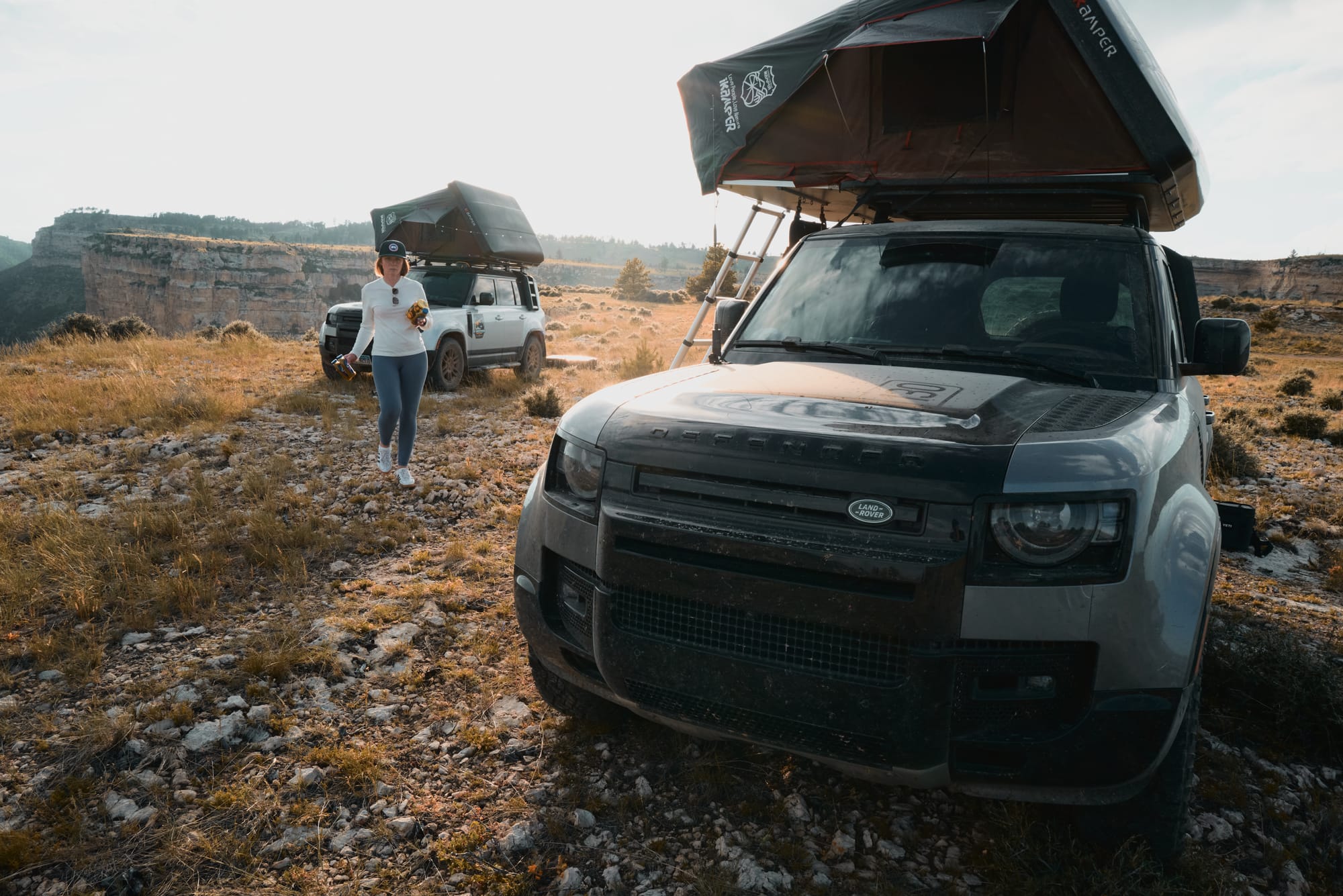
Until then you'll find me in front of my MacBook, waiting for these DNGs to import and hopefully not start my house on fire.
Note: they did this, as well. The Leica M EV1 is an interchangable lens, EVF-enabled M camera. It's like they are listening to their customers. Crazy germans.