The gear
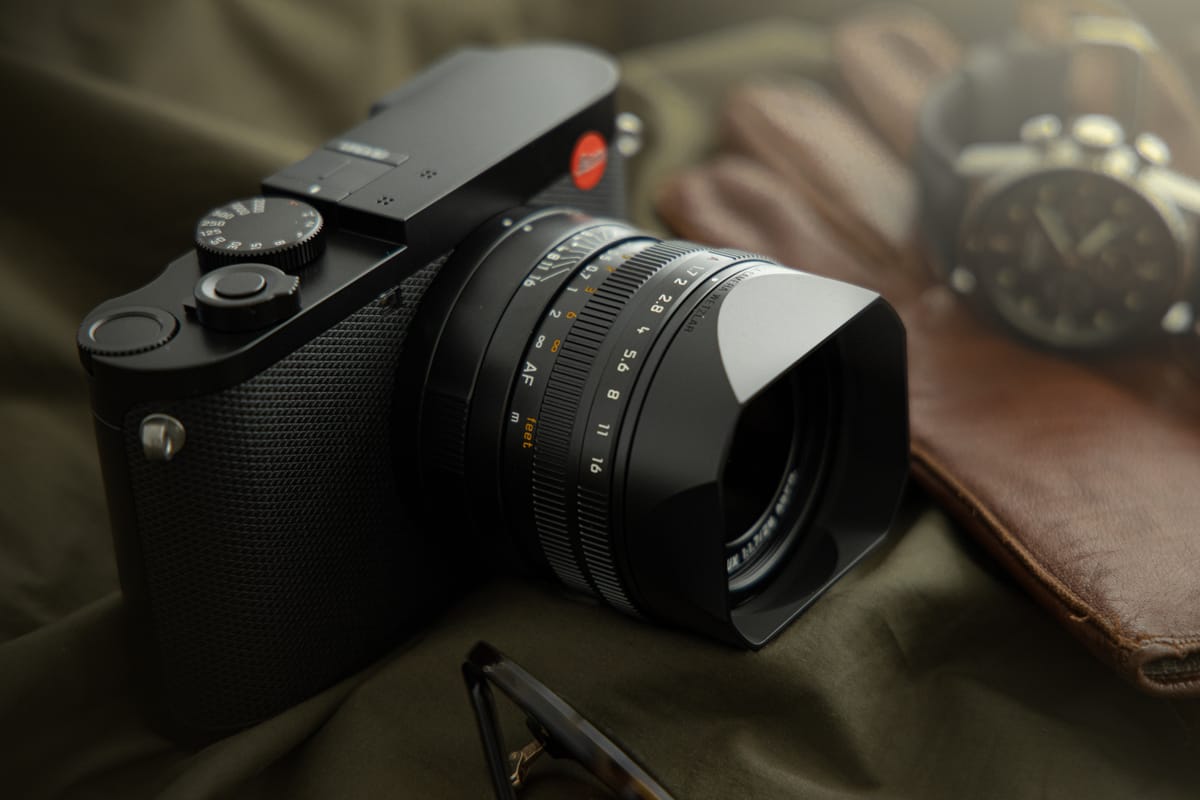
We've arrived at a time and place where consumer camera sensors out-resolve the human eye, where modern glass produces images so sharp that the clarity makes my head hurt. And yet photography gear continues to wet an insatiable hunger for the new. We caress the overpriced magnesium alloy chassis', trace the nicks and scratches of cameras that have accompanied us through moments that bring meaning to this life. Here's the evolving, excessive list of gadgets that help me notice things and hurt my back during travel.
“The photograph itself doesn't interest me. I want only to capture a minute part of reality.”
Henri Cartier Bresson
The Leica's (Q2 + Q3)
I have never dipped my toes into the viewfinder business. That may become a future maneuver, but I grew up fascinated with capabilities of digital cameras and naturally progressed from a Canon Rebel 2000 into the Canon Mark's, etc. At one point I became obsessed with build quality and small size - Fuji turned into a love affair with their X100 line and then the XT's. Finally, I mustered the courage (and the bags of cash) to buy a Leica Q2 28mm in 2019. 28mm is not the easiest focal length, requires a lot of composition management, but it also has a playfulness which I miss on longer lenses. Interplay of foreground, background, subject, as well as context-setting elements are unique to this focal length.
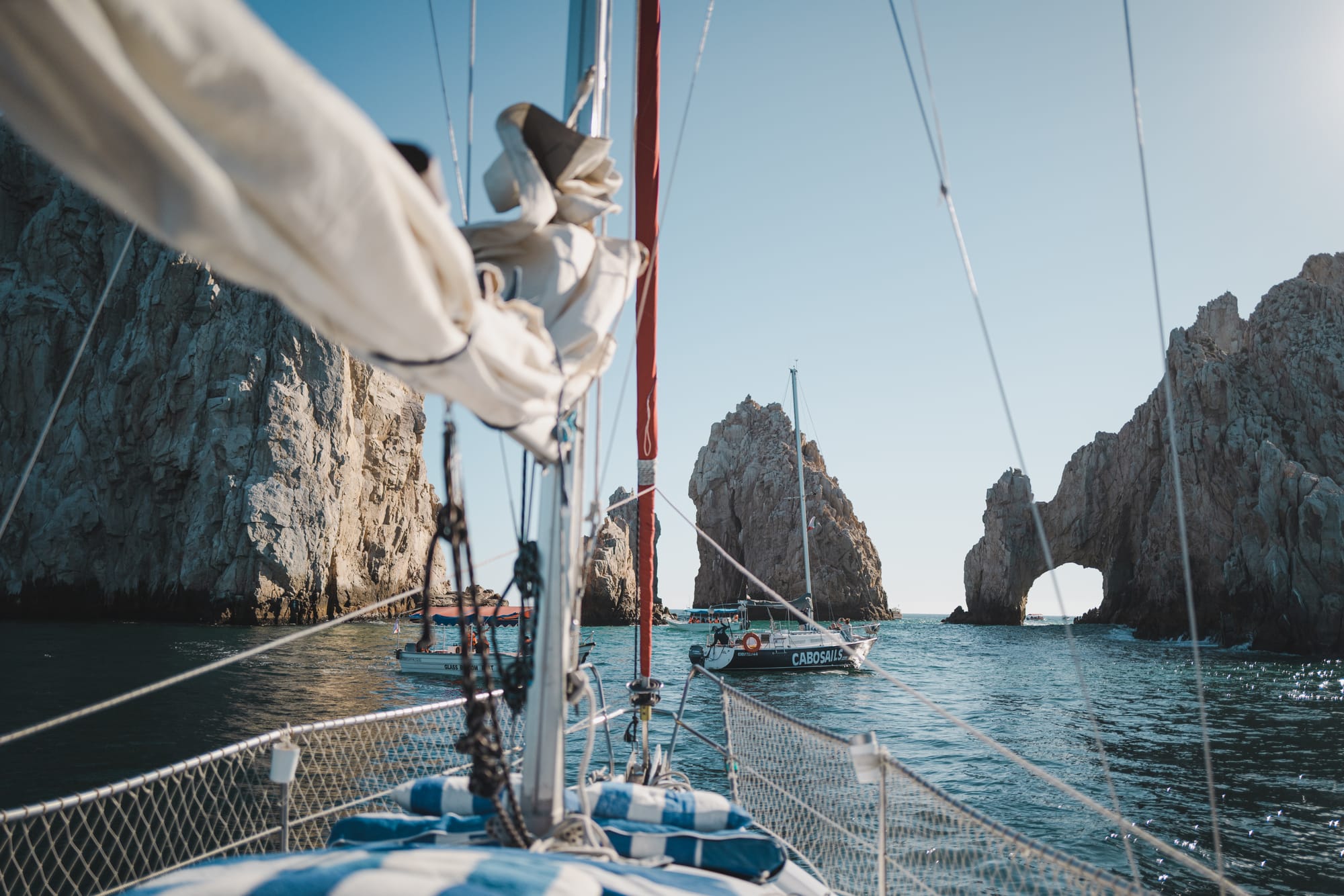
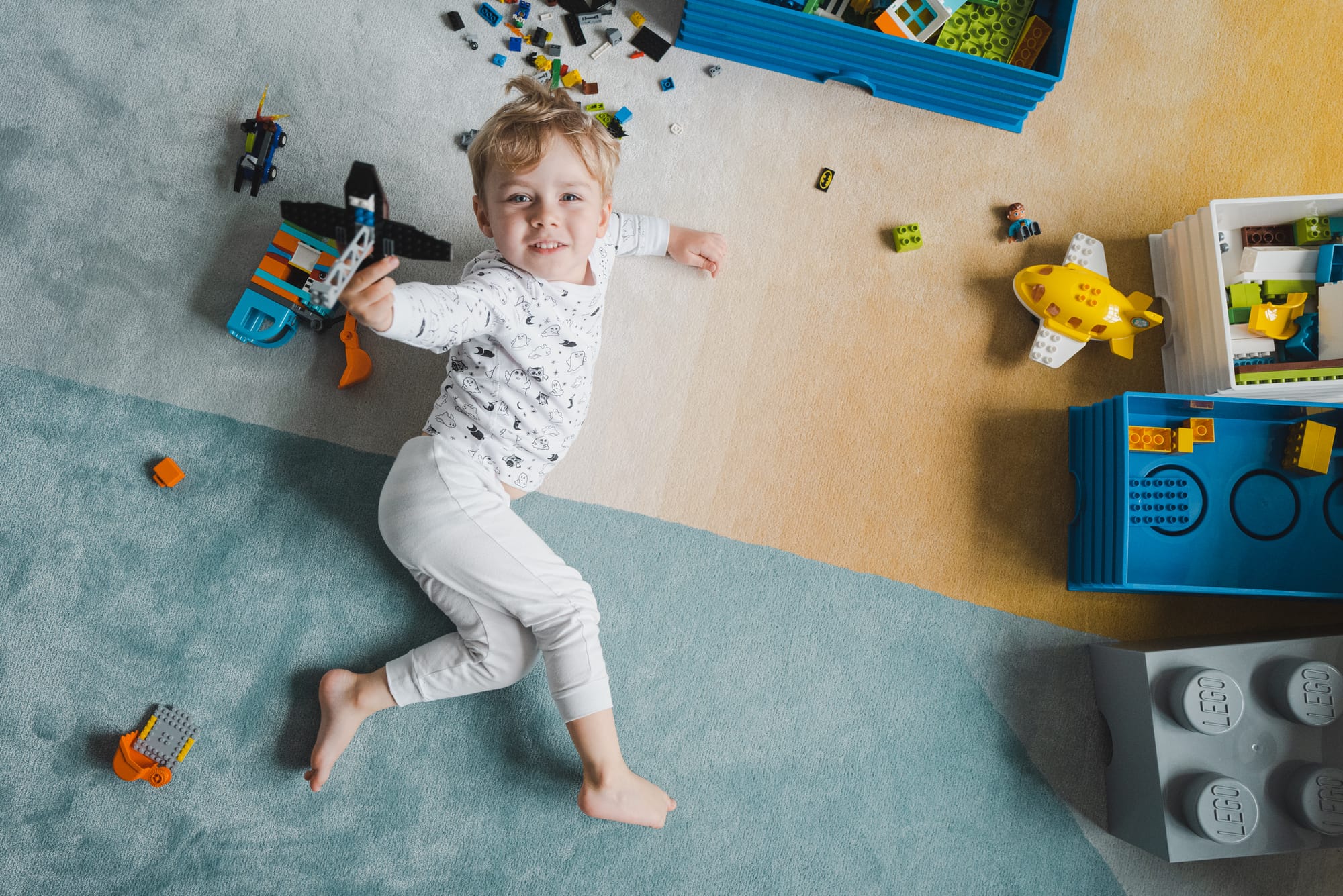
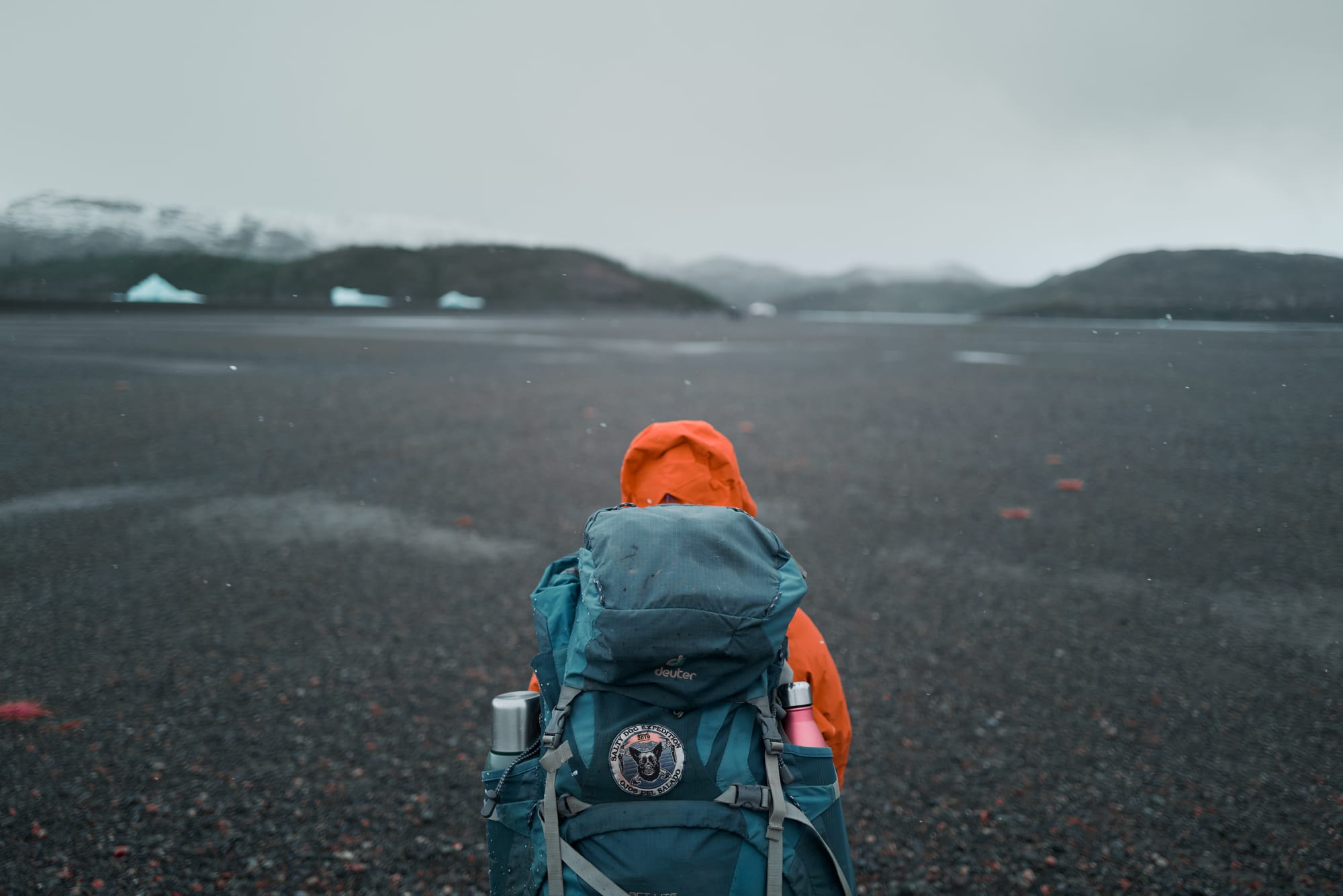
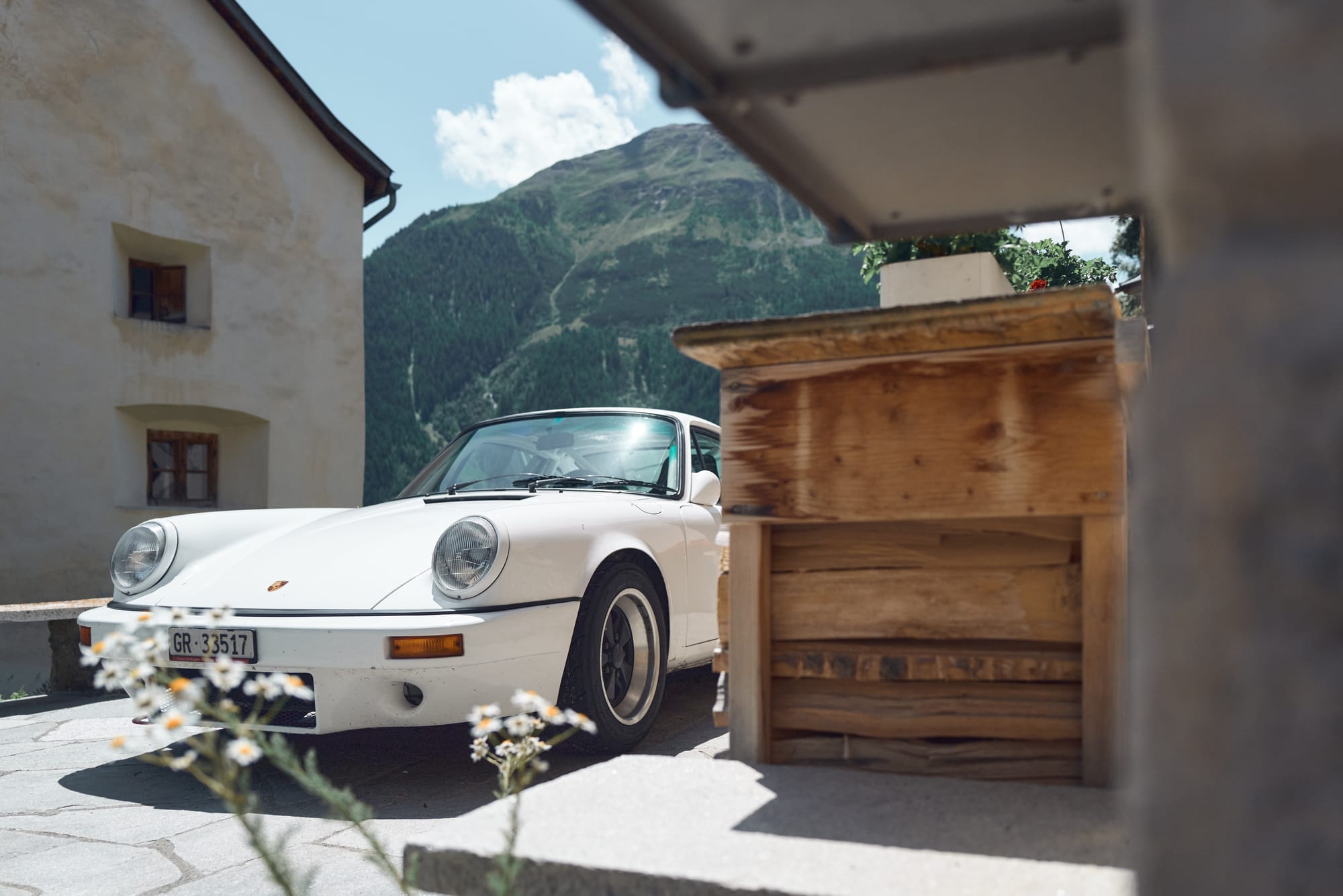
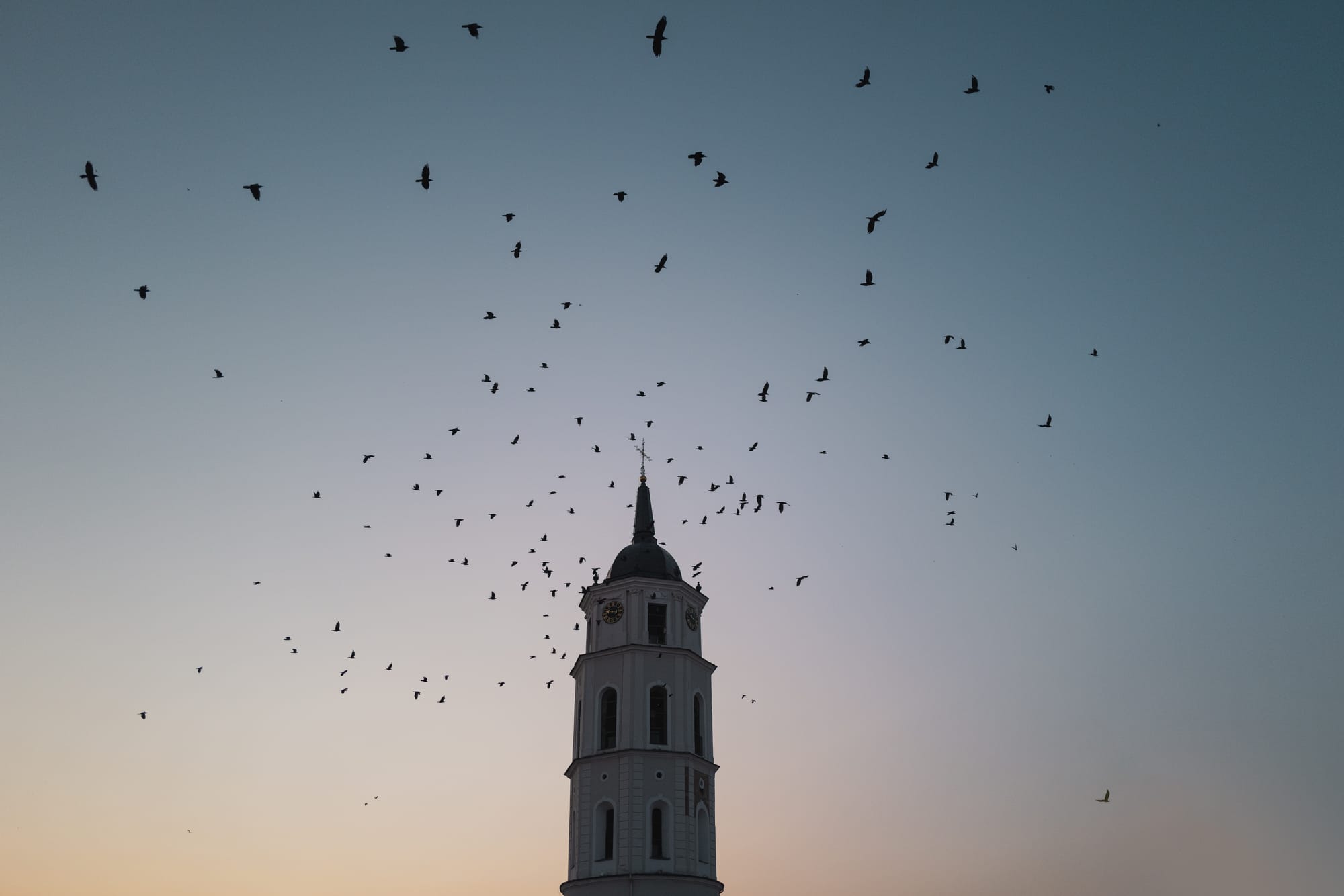
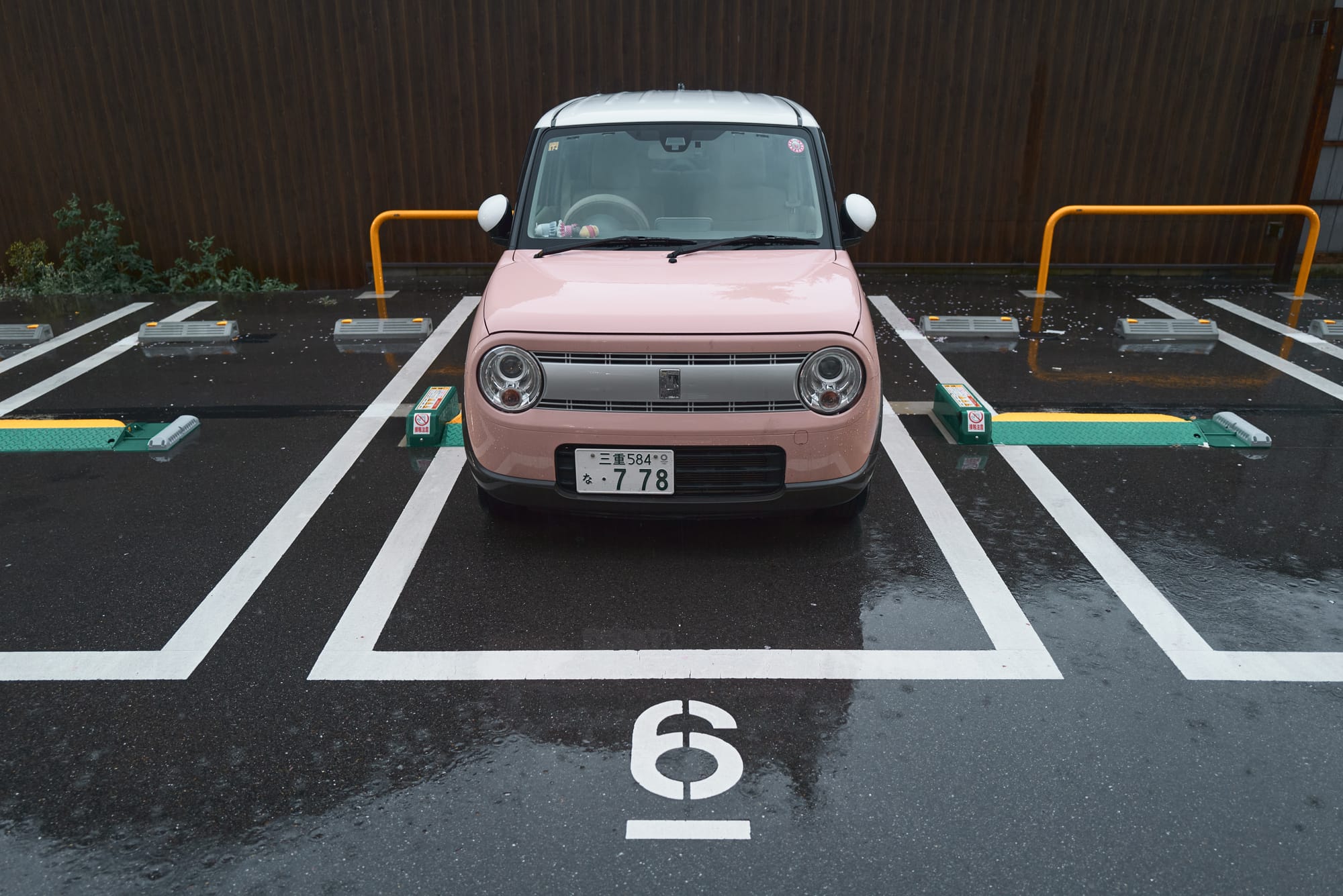
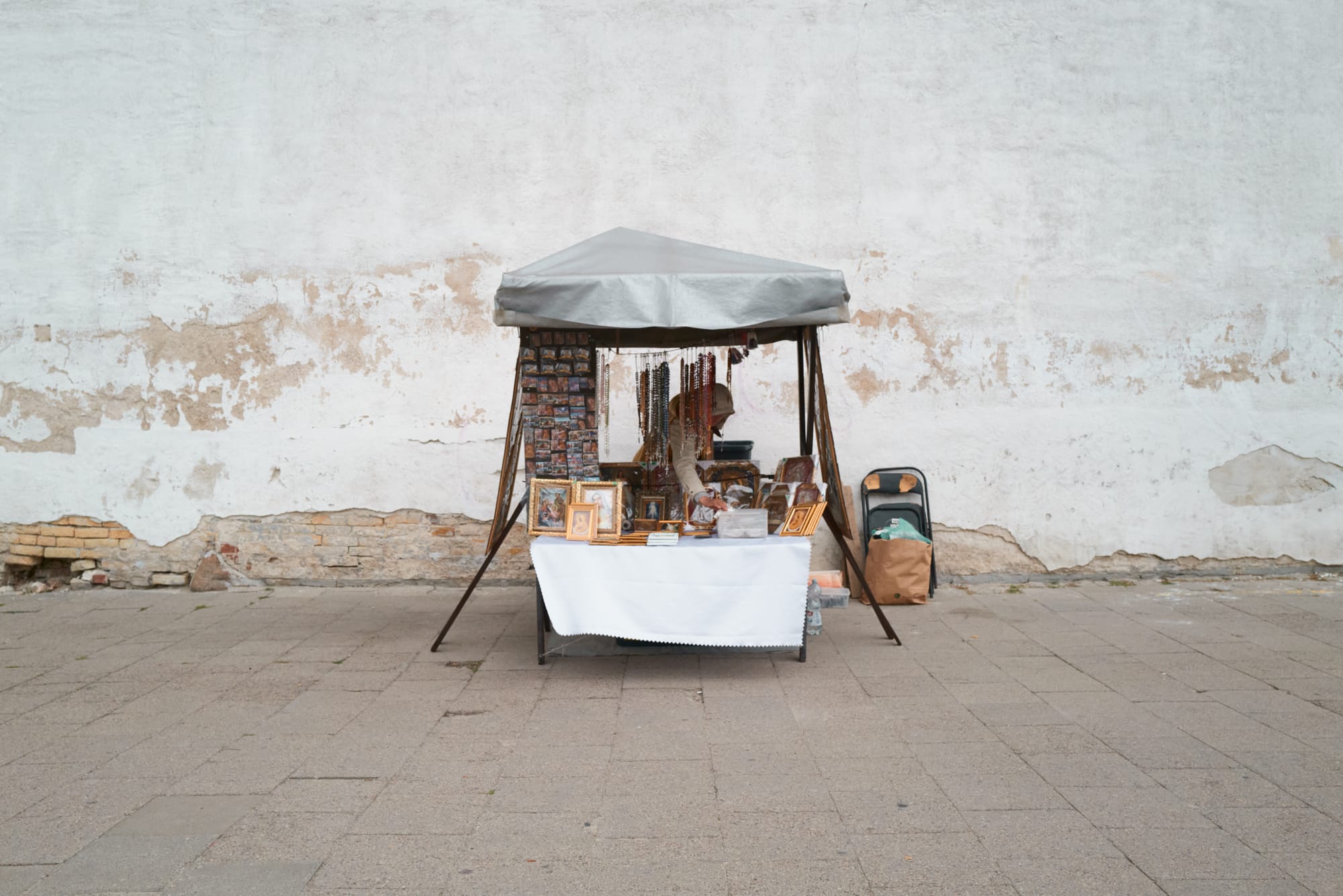
Q2 @ 28mm, Japan, Switzerland, Lithuania, Cabo, Patagonia and more.
The quality of glass, size of sensor, and build materials are matched by none in this "compact" category. By the time the Q3 43mm came out I was already standing in line, cash in hand, Leica red dot tramp stamp tattooed above my buttocks. Some of the purity has been lost with the flippy screen on this new model, but it retains the qualities that matter. More on that in a dedicated post...
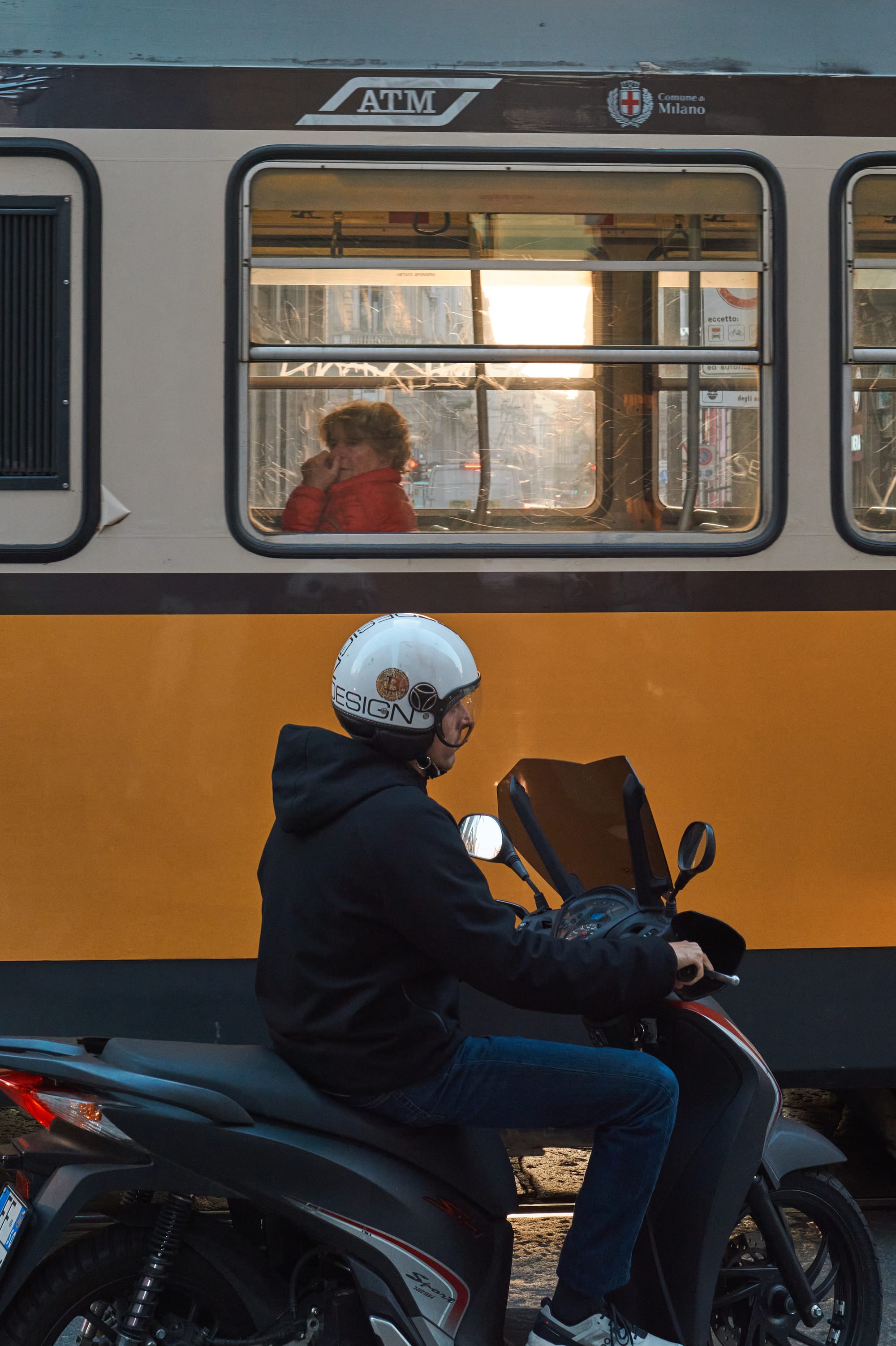
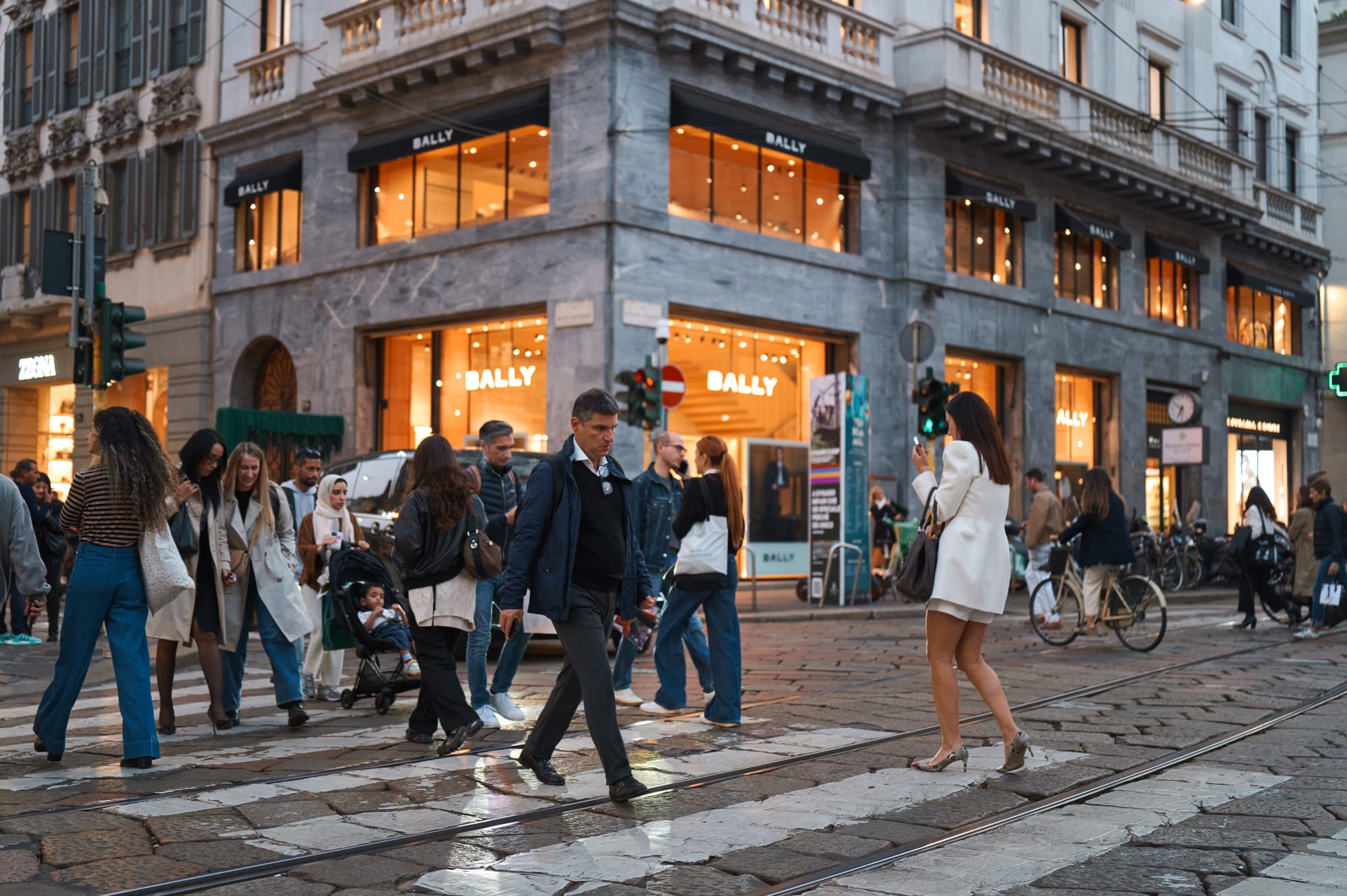
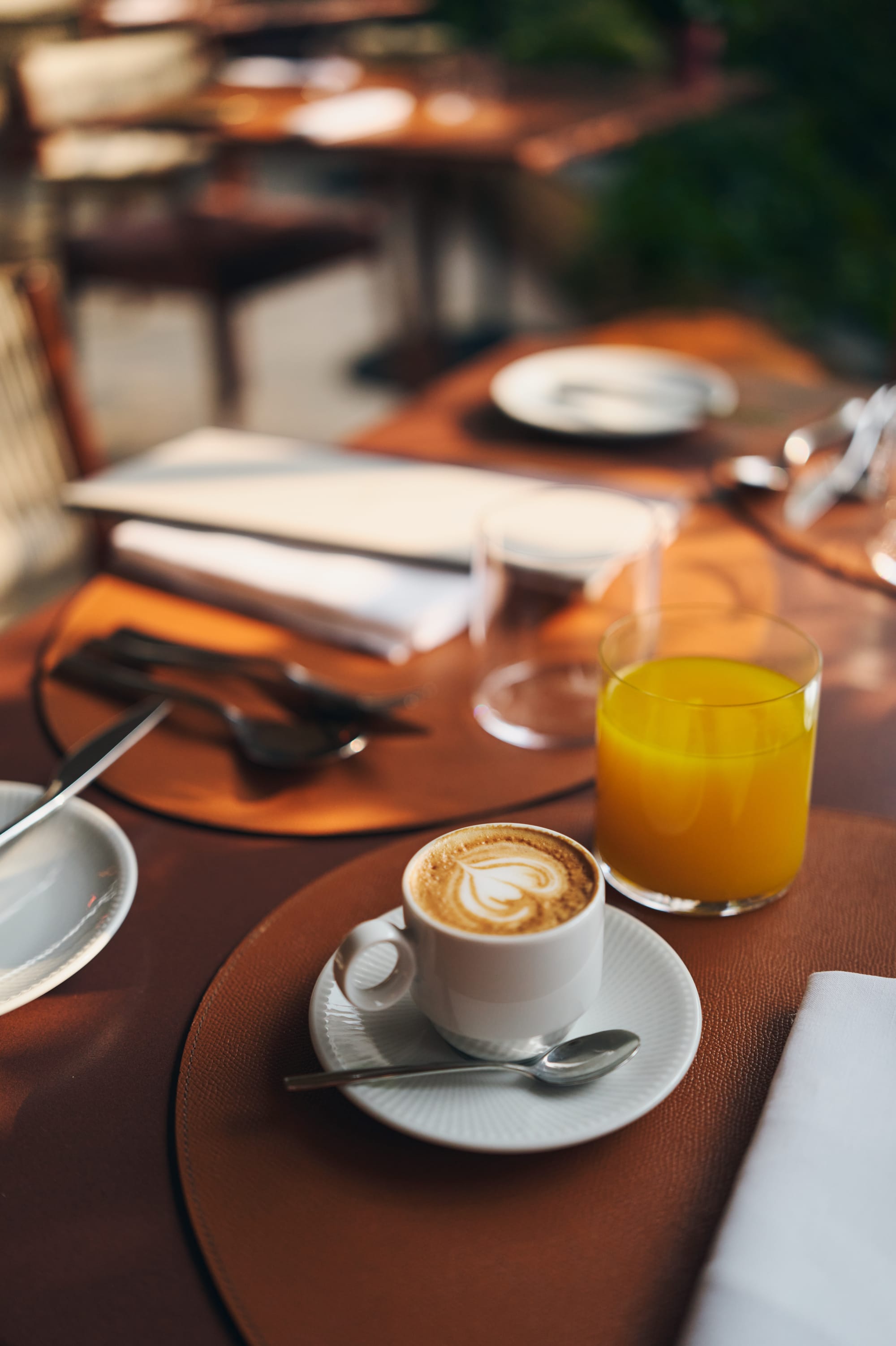
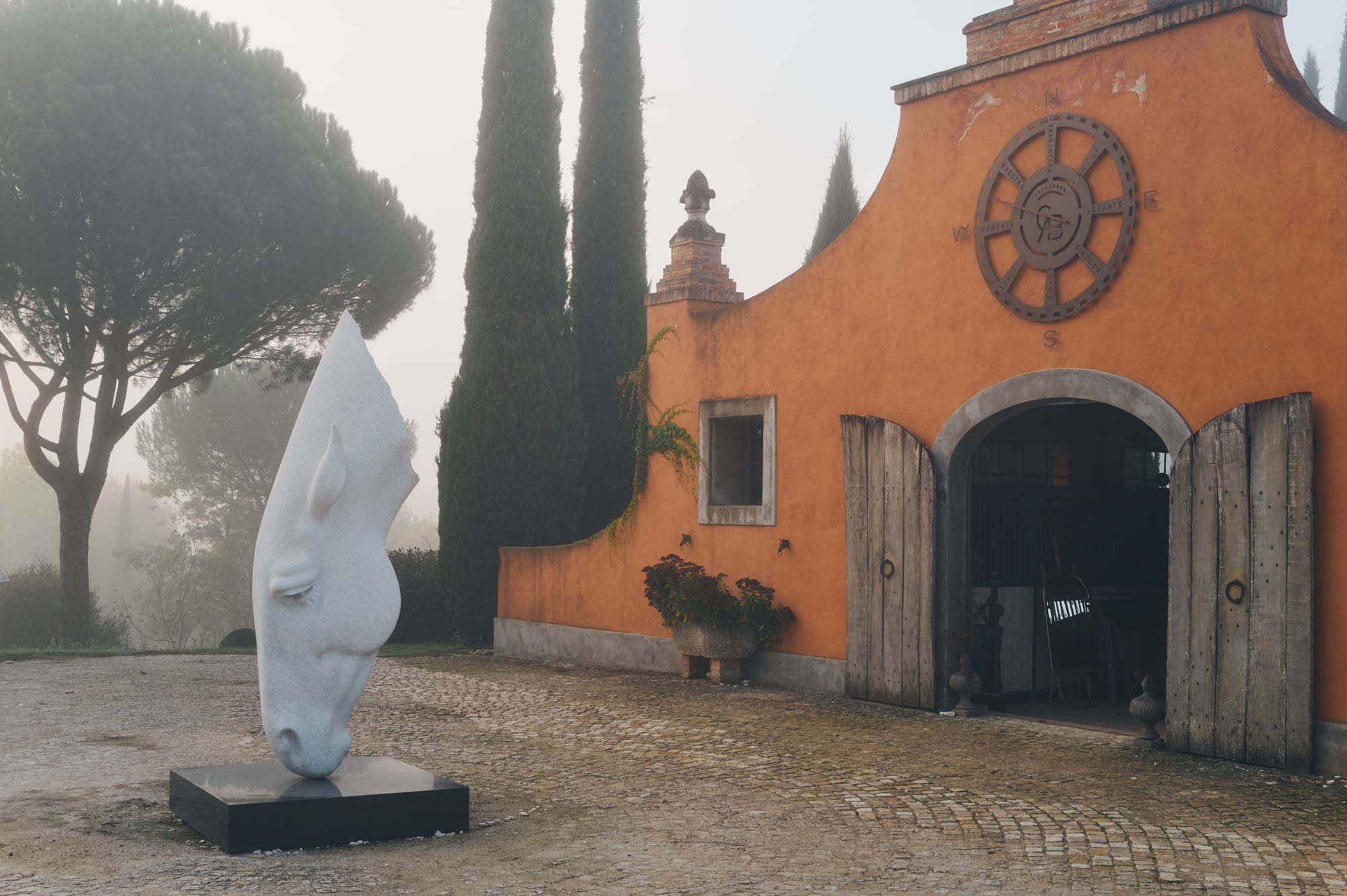
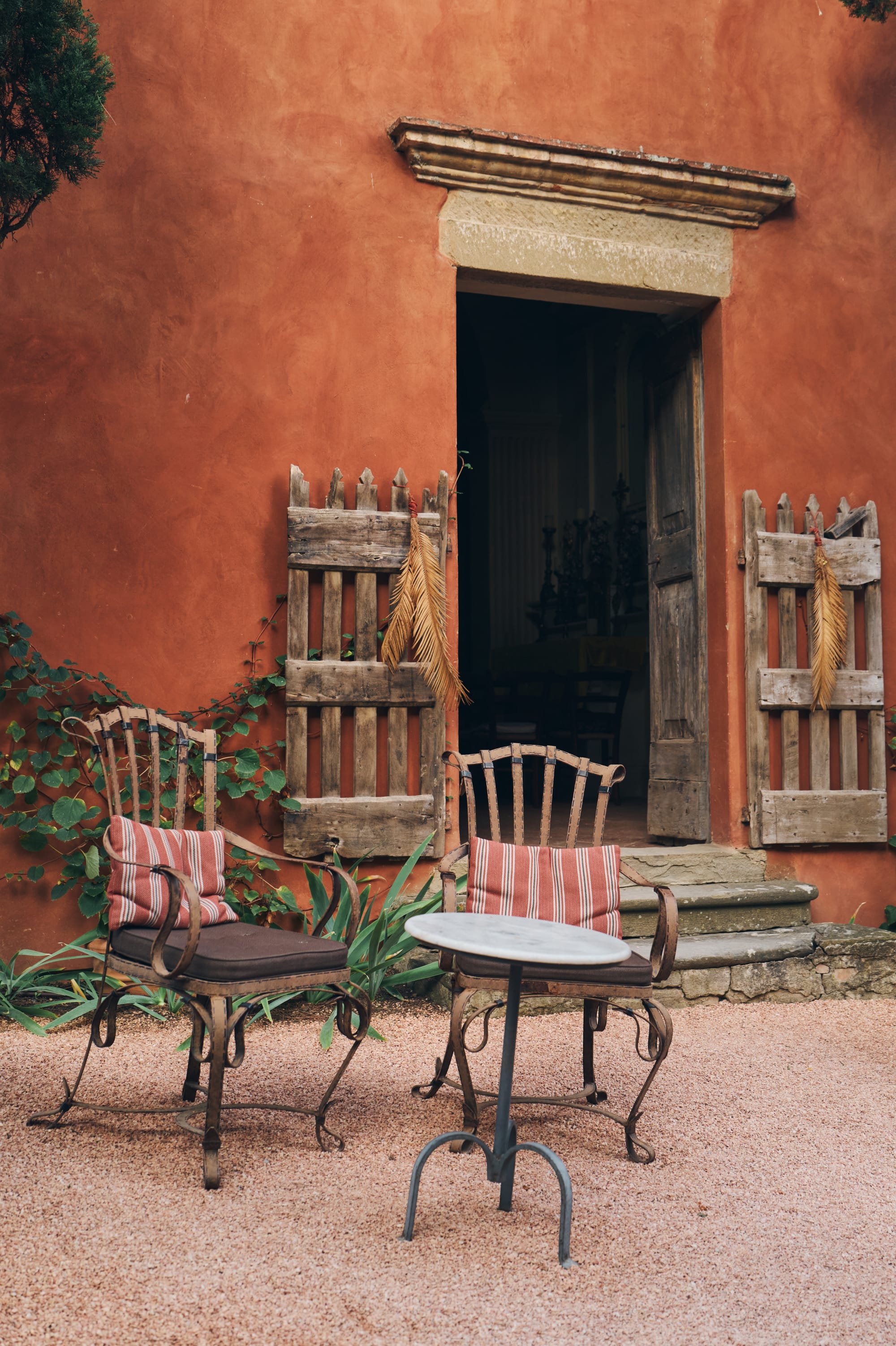
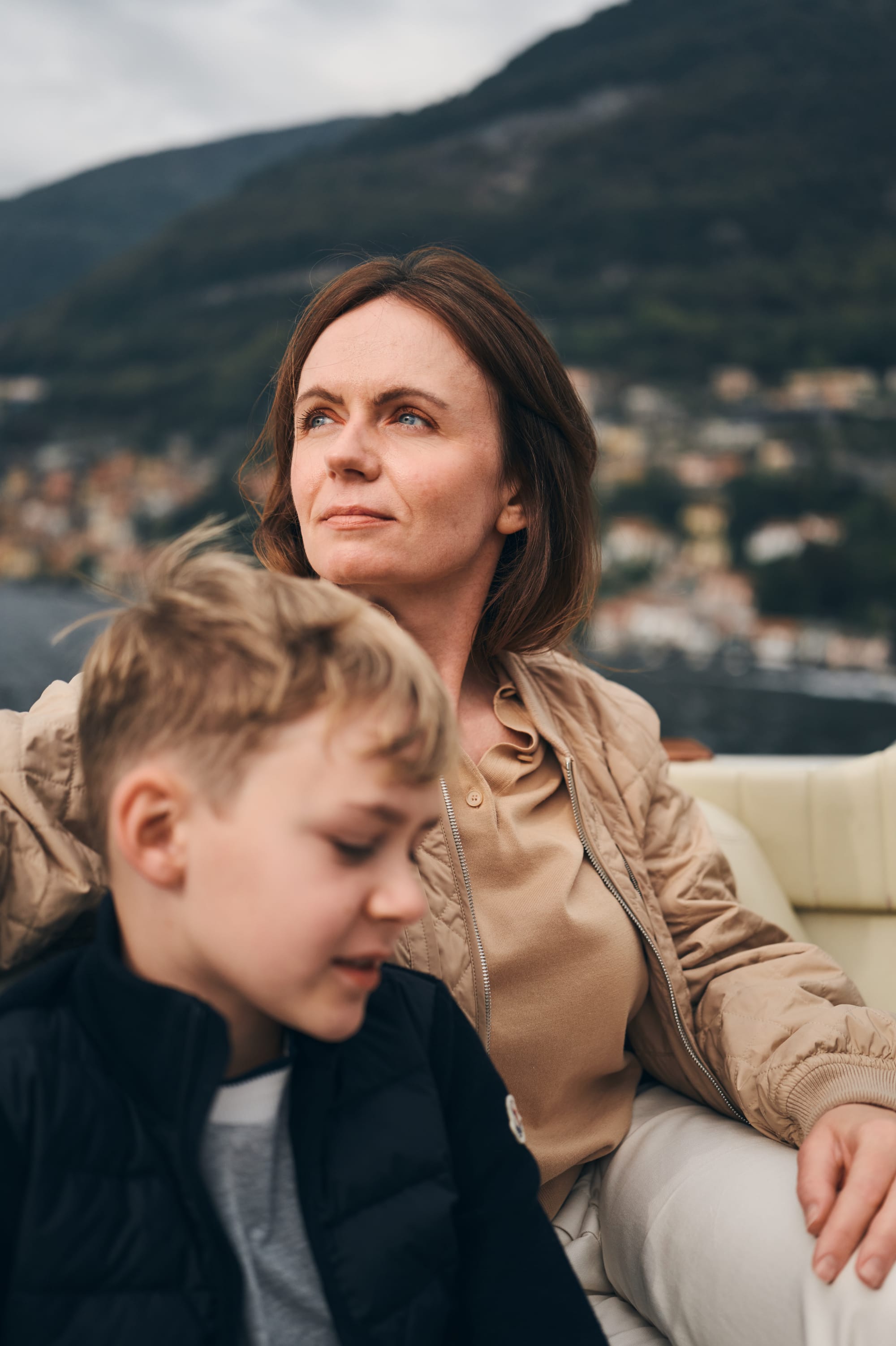
Around Italy with the Leica Q3 43mm
The Sony A7R V
I read somewhere that this camera does everything too well for its own sake. We like flaws and quirks and this thing just doesn't have 'em. It's like that multi-function copier in the office that can burn a continent sized hole in the ozone layer on a single print job. It's technically impressive, but you don't really want to cuddle it in the evening. It's fast, it's a huge sensor, it can film, and it's comfortable to use with its oversized grip. It's also a bit boring.
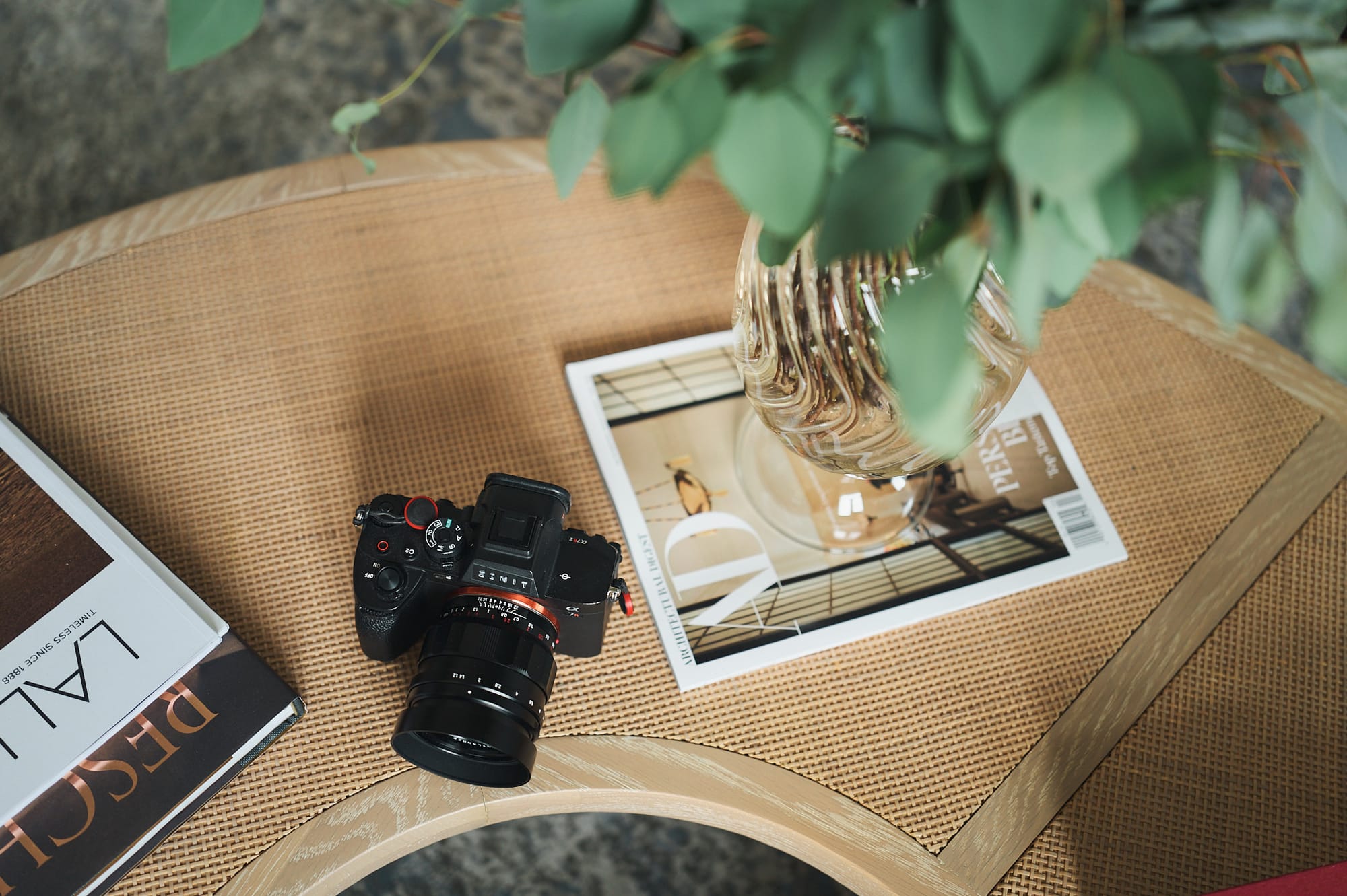
I turned to Sony after getting fed up with Canon's closed ecosystem for camera lenses. Their RF line ballooned in weight in line with the US obesity metrics and it was clear that lightweight, small, metal lenses were nowhere on the roadmap. I know, I know, the RF35mm does exist, but it's plastic, has no aperture ring, and looks like shit. Canon has adopted the Toyota of photography design aesthetic and it's in direct violation of my moral code.
Here's the Sony glass collecting dust on my shelf:
- Sony FE 24mm F2.8 G - tiny wide angle, weighs less than your vape, survived a hike in Texas. Metal construction, dedicated aperture ring.
- Sony FE 35mm F1.4 GM - a massive, fat lens to contradict everything I've ranted about up to this point, but the optics are worth it for non-travel stuff.
- Sony FE 40mm F2.5 G - just as small, perfect focal length. Contender for the ultimate travel lens title. Crazy optical quality for its size. With the juggernaut sensor in the A7R has plenty of "reach" when cropping.
- Voigtlander Nokton 50mm f/1.2 - optically imperfect, but can produce butter @ F1.2. I bought this before the 40mm, a bit of an outlier in the lineup.
- Sony FE 85mm F1.8 - the lightweight (cheap) alternative to the GM option. No dedicated aperture ring. Good to compress perspective on travel, but also a bit redundant with these oversized sensors.
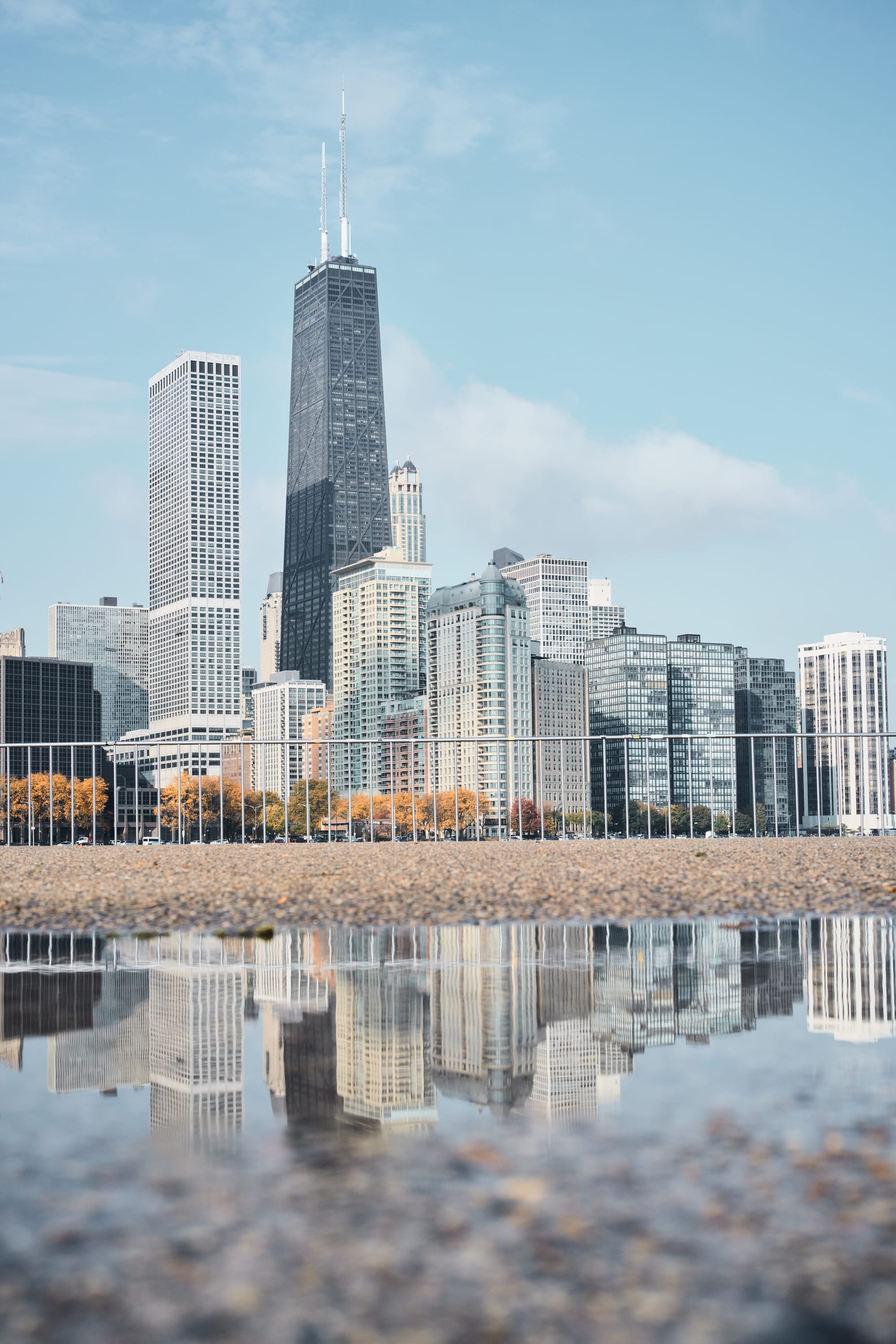
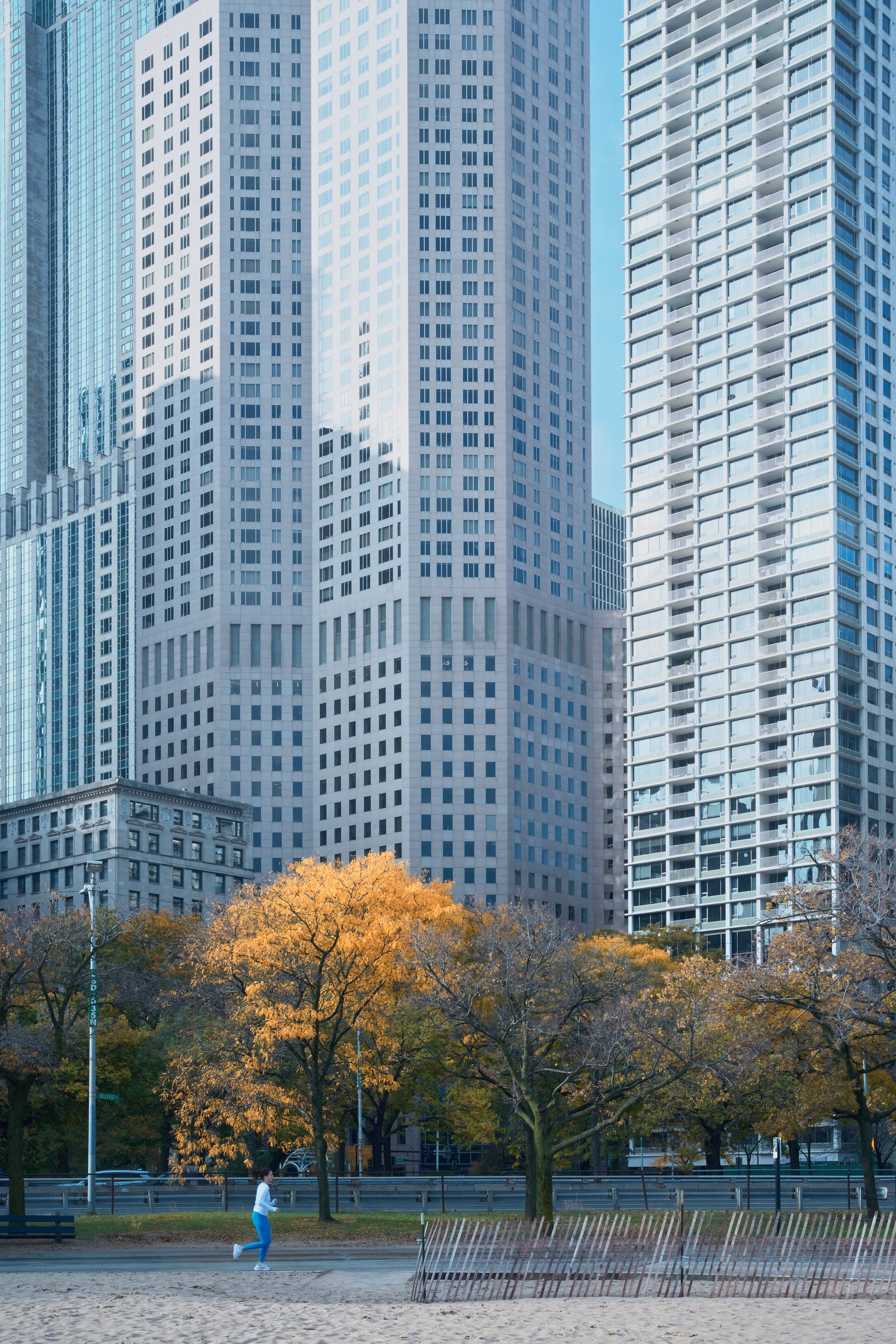
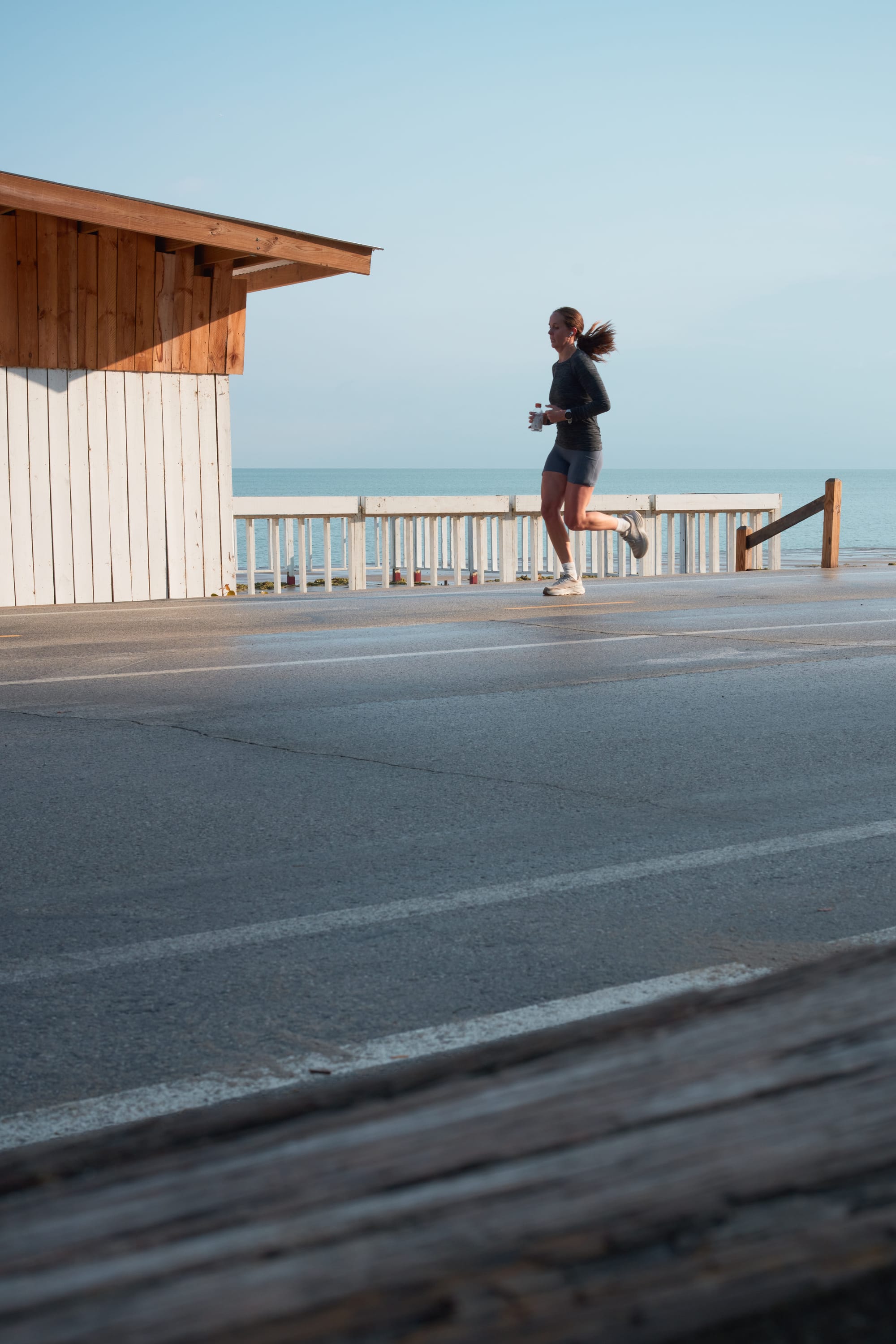
The Voigtlander works well stopped down.
Ricoh GR III x
The backup camera. Fits in a jeans pocket. 40mm equivalent and a lovely sensor to boot. No EVF, annoying to use on a bright day. Weighs close to nothing so it goes everywhere. Very useful for an "idiot tourist" cosplay doing street photography.
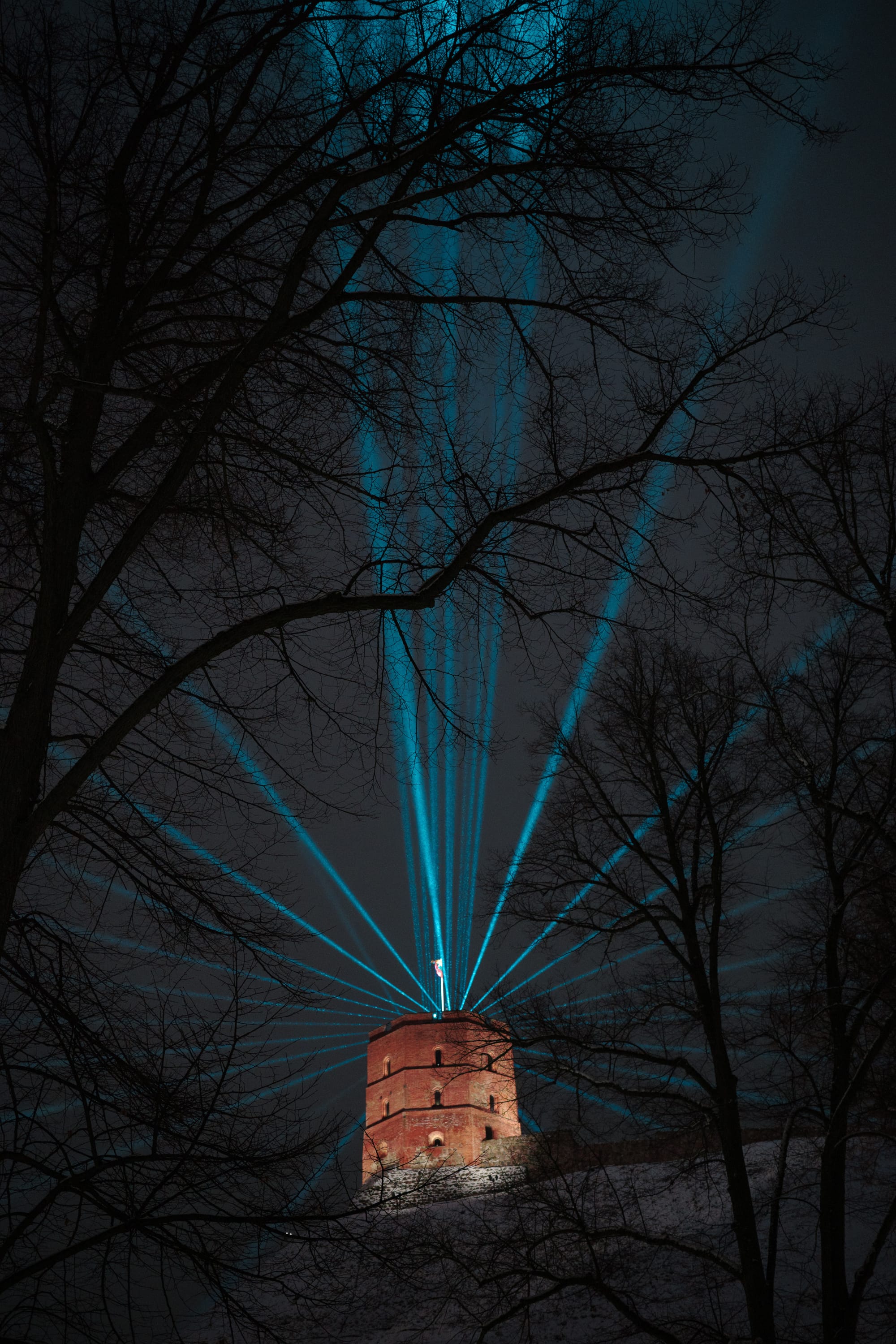
The Fuji era
In between the ecosystem switch I dove into the Fuji world attracted by the ridiculously good looking bodies, great ergonomics, light weight, and capable optics for their price point. The X100 series were the first cameras in my collection and, in retrospect, the cameras that taught me the most about street composition. I still own the X100F, although it is largely retired and only goes for a walk much like a collectable Rolex.
The X-T2 was my "travel Canon" for close to seven years (along with a myriad of lenses). To this day its a camera with one of the largest collection of images in the database.
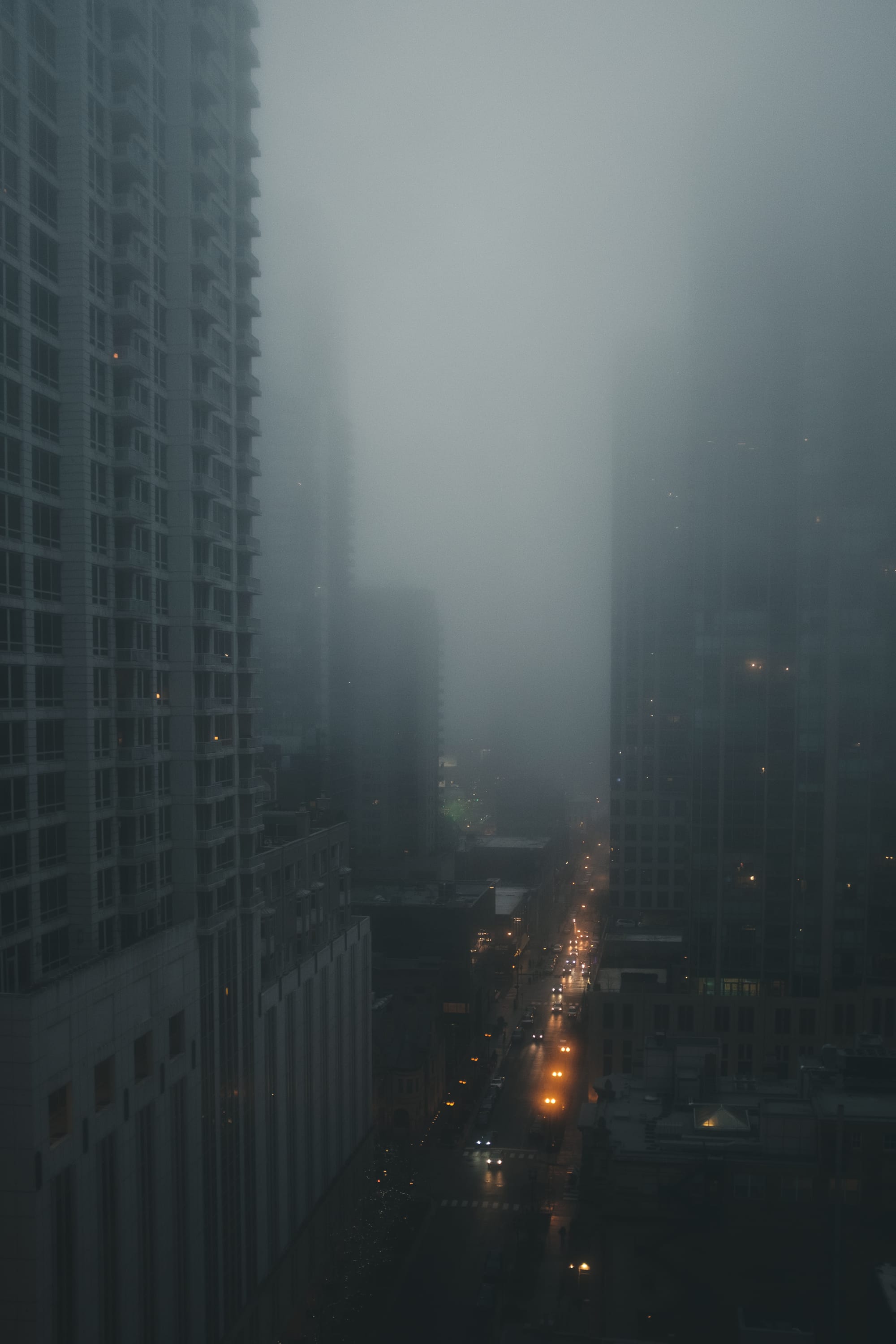
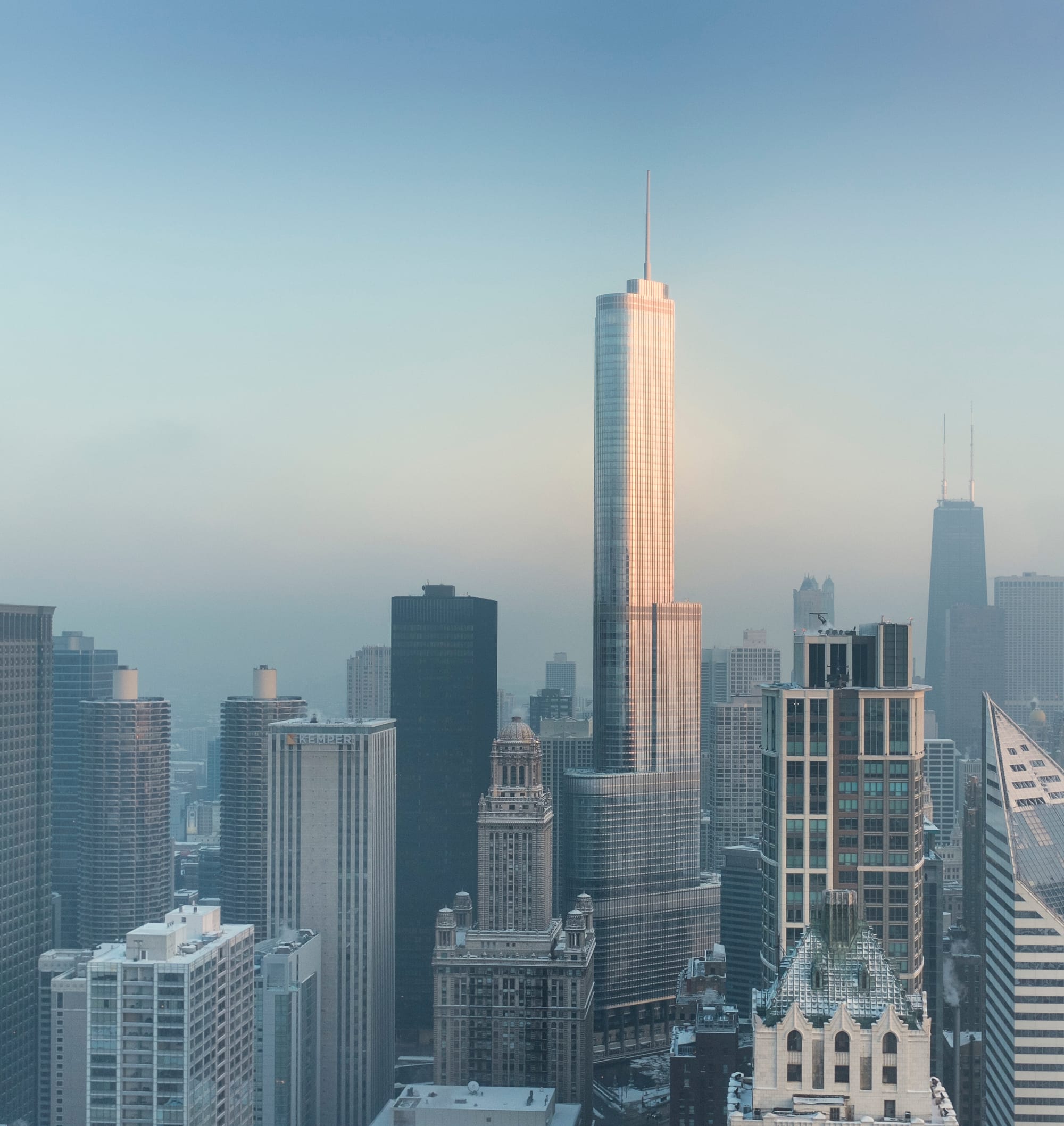
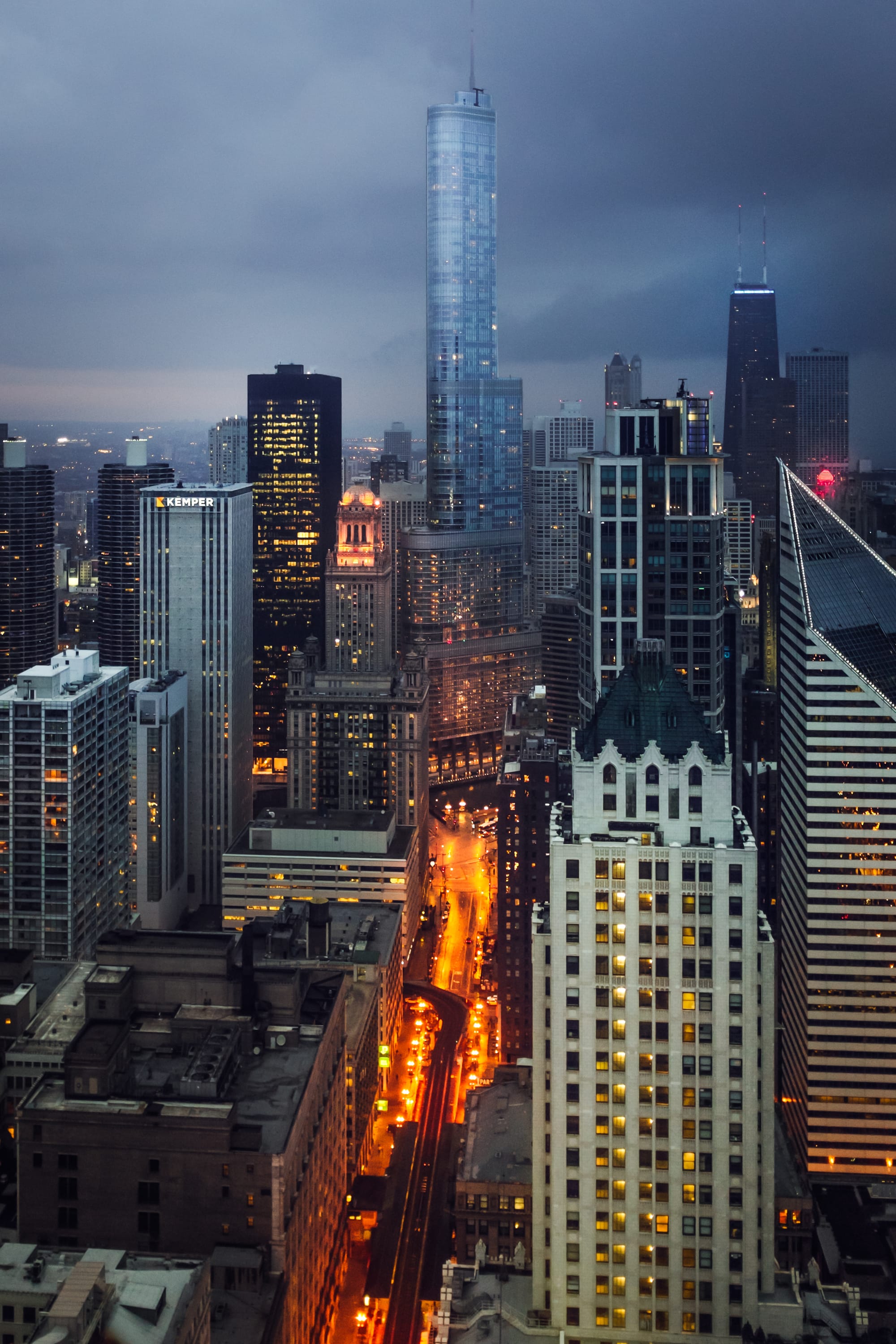
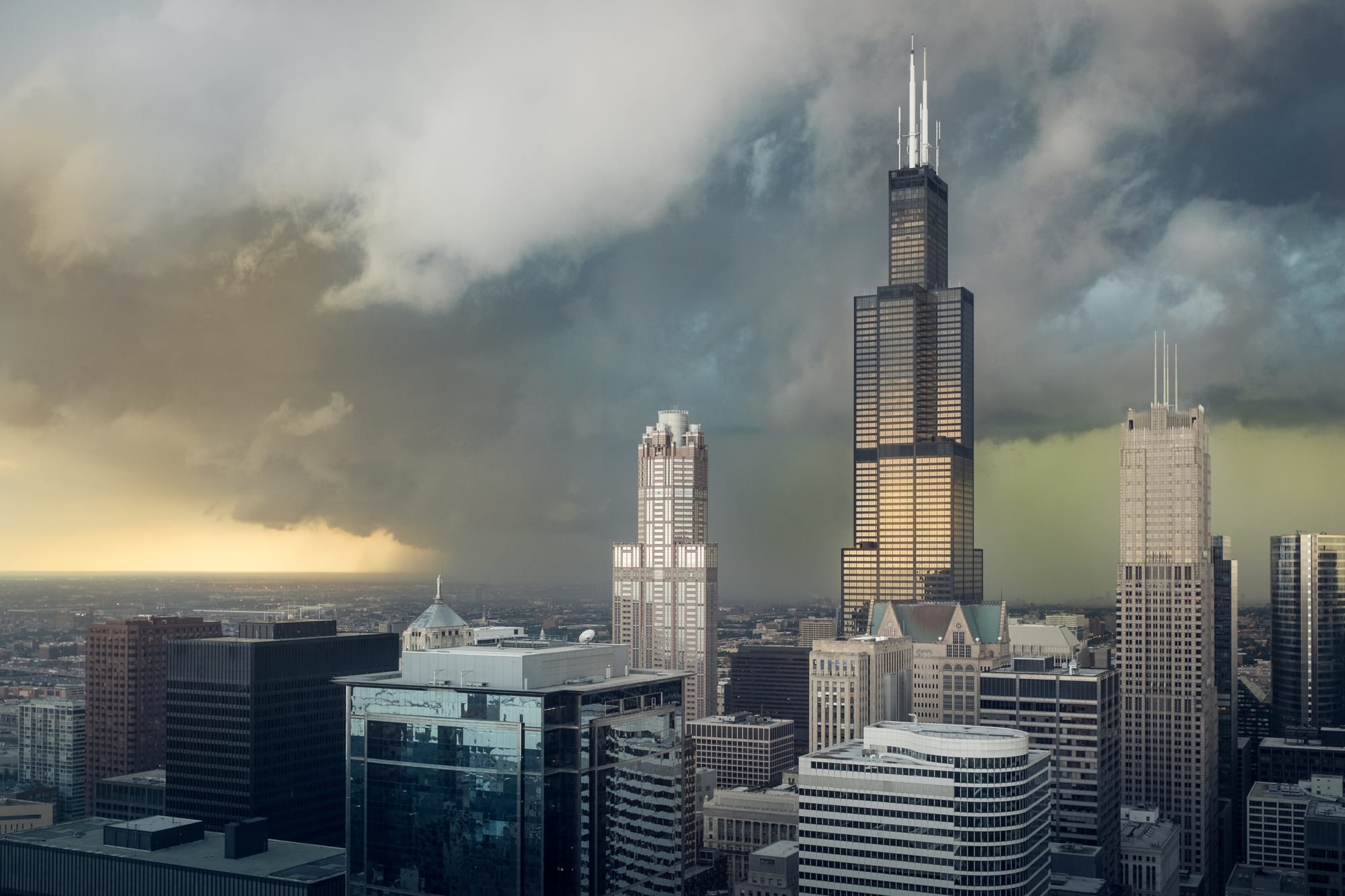
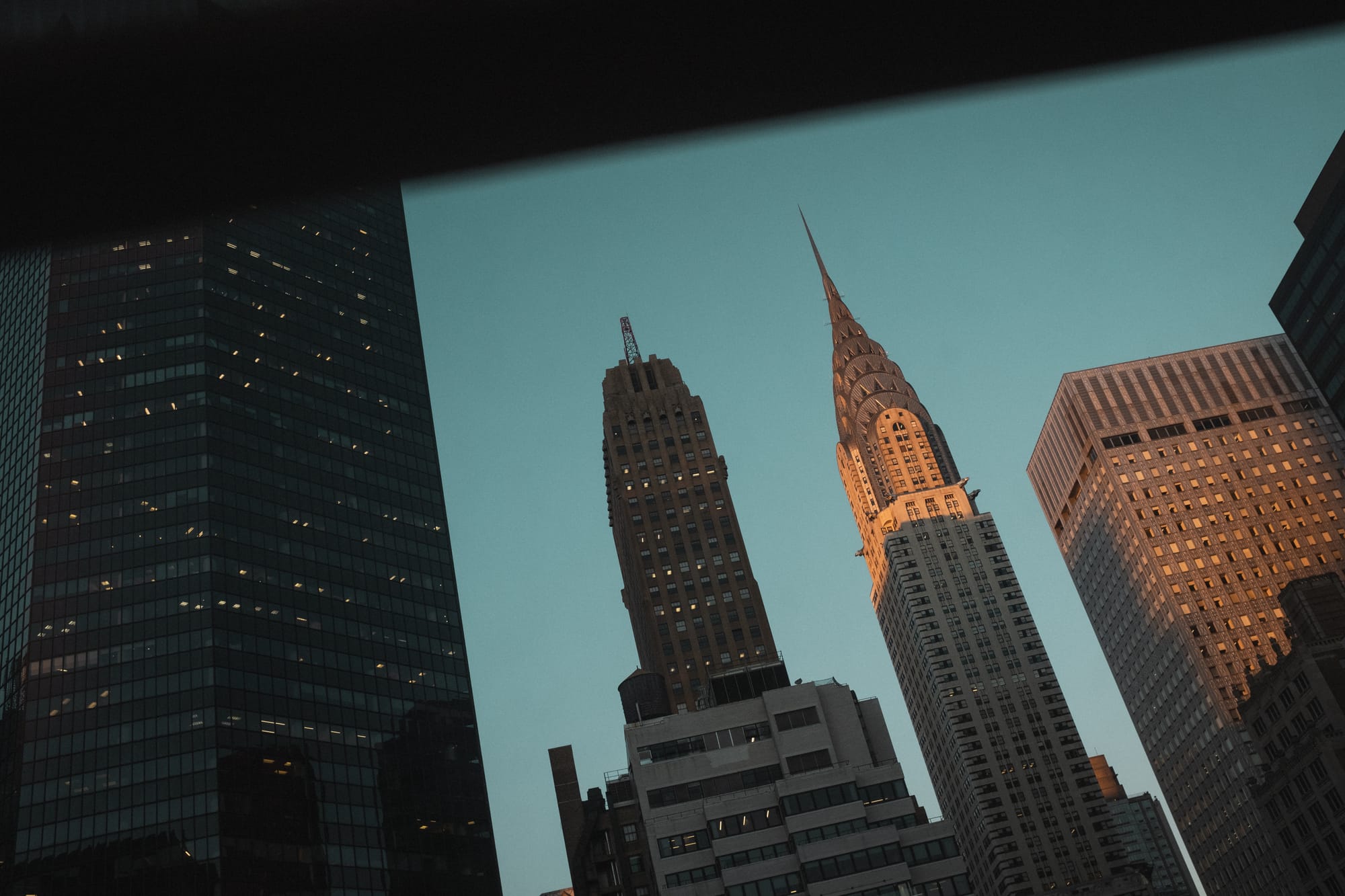
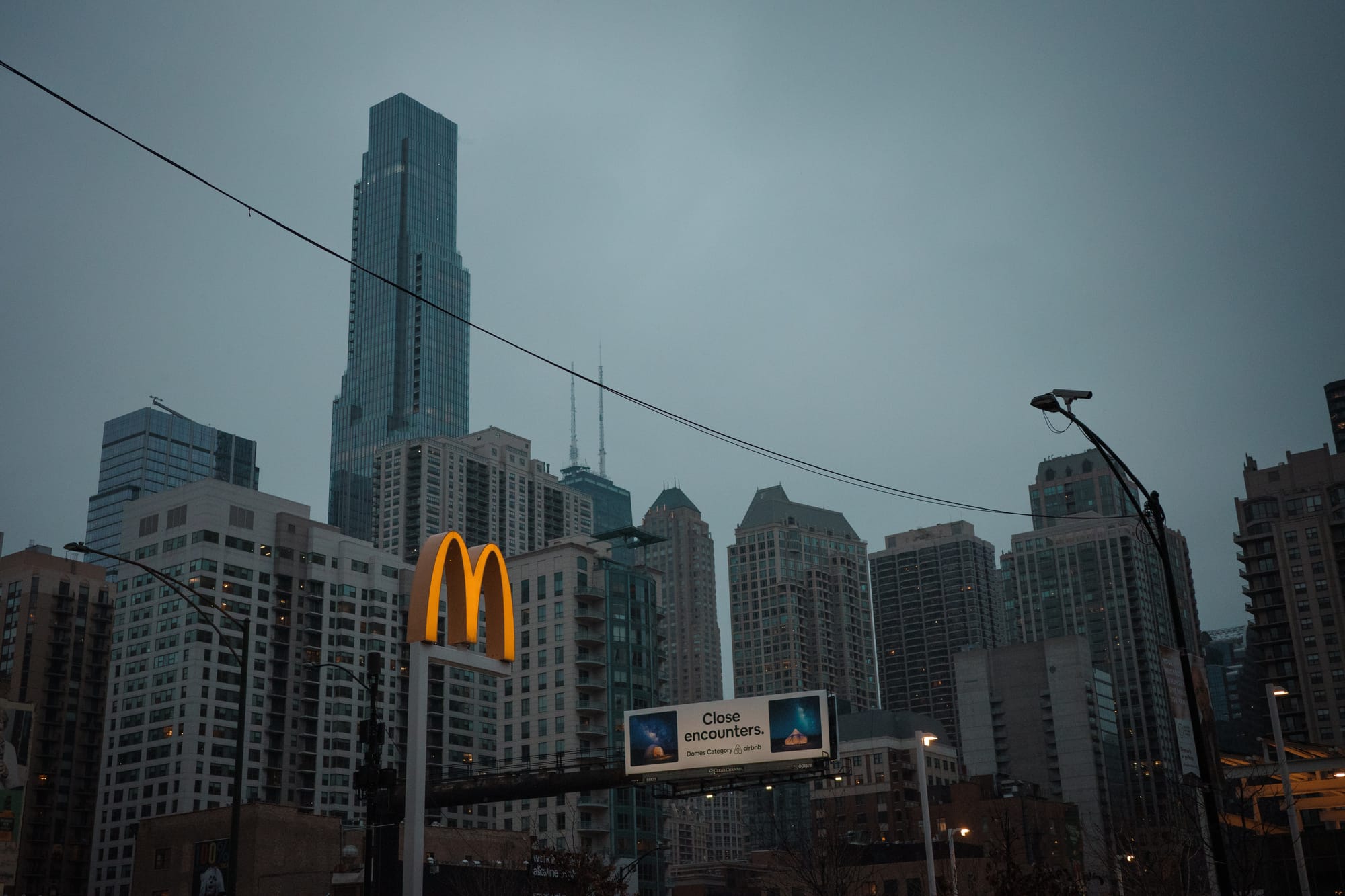
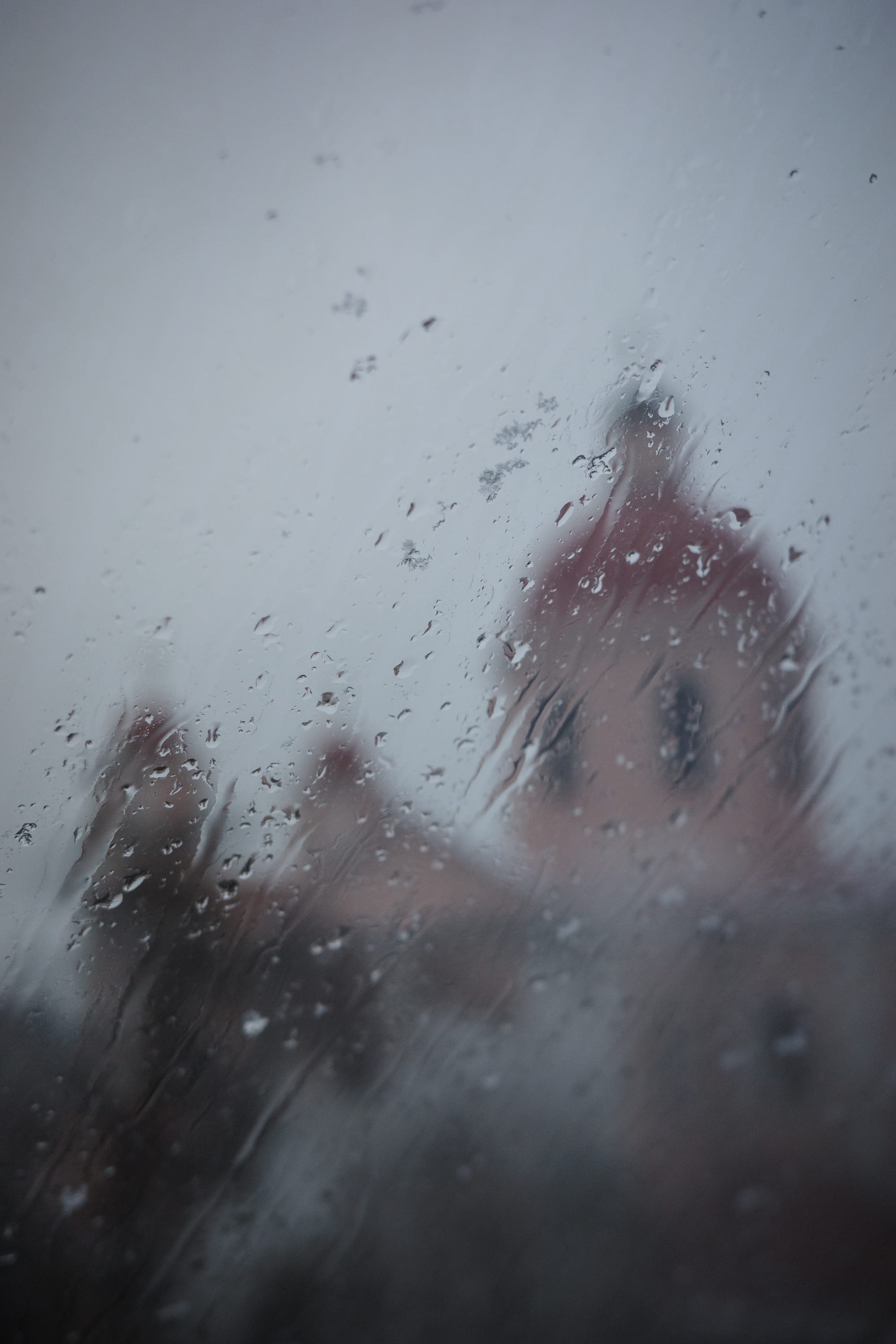
Urban scapes on the Fuji system.
And the XE4 was a bit of an impulse buy in pursuit of an even smaller, more compact package. Every time I pick up one of these older cameras I realize how little has changed in the field. Yes, the sensors are now astronomically large and all have IBIS, but light capture hasn't changed one bit. Composition, quality of light, and comically small number of controls actually matter in the process of image making.
My thoughts on X100F in a separate post.
Worthy mentions
Here are a few random bits of kit that orbit the sun in my vicinity:
- Bag choice is Nomatic McKinnon Camera Pack 25L. Modular so that you can live your life even if you're not a professional photographer.
- Peak Design for their Slide straps.
- Lowepro Creator Boxes for camera overpack (esp. if not traveling with a dedicated camera backpack, e.g. hike).
- Prism Lens FX filters for some wonky distortion.
- DJI Mini 4 Pro for aerial photography.