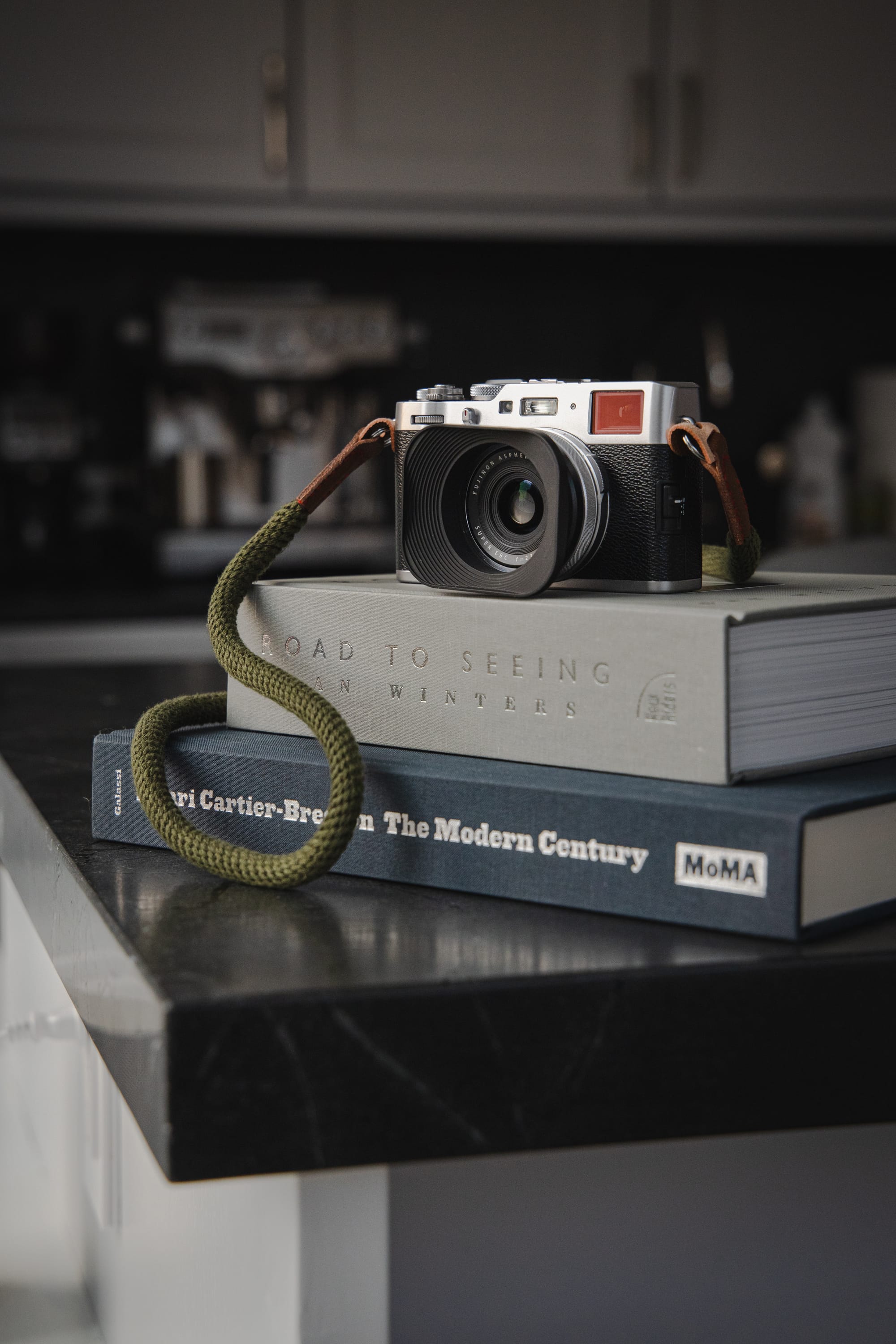
Fuji X100F review
An ode to peak industrial design where form follows function.
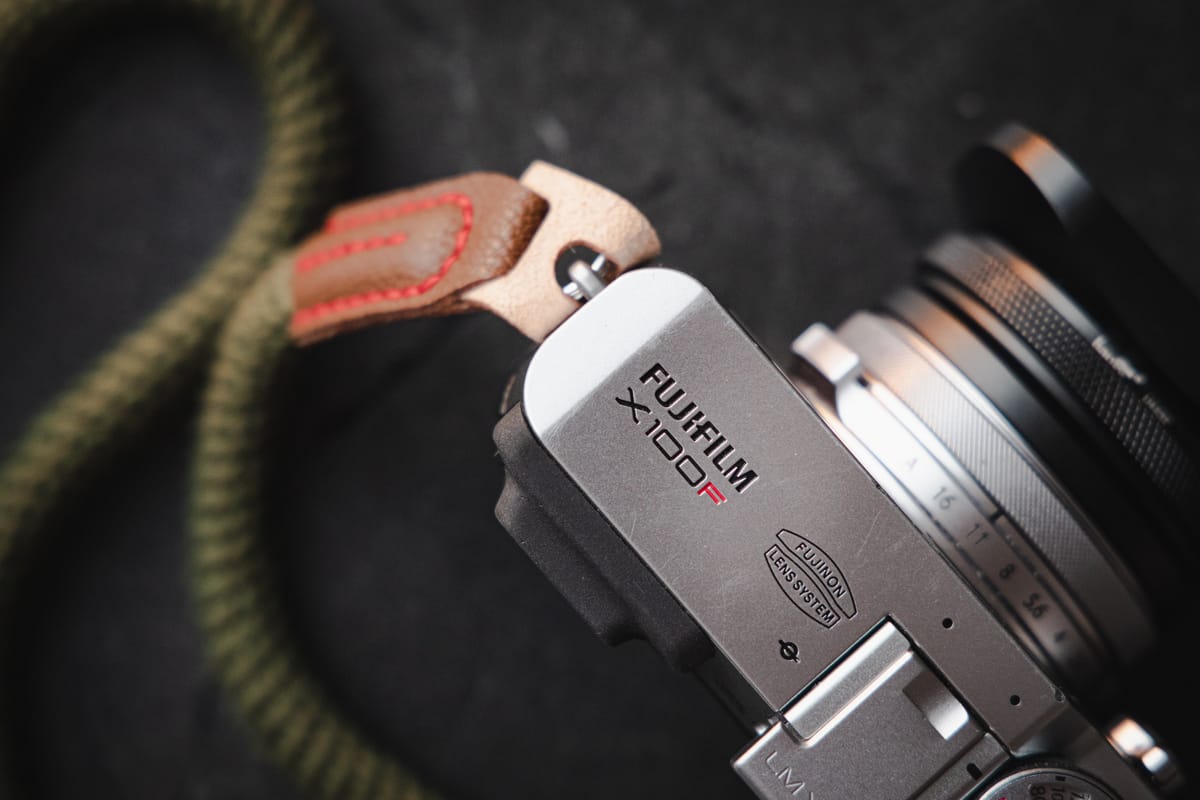
A review needs specifications, comparisons, and other hard data points that have nothing to do with the X100F. The X100F is about love. It’s about passion of great industrial design, an intimate tactile experience, and a manual interface that forces you to photograph with intent. It’s about a tiny little camera that fundamentally disrupted the paradigm of high image quality, compact, fixed lens cameras and flooded tiktok with its retro charms.
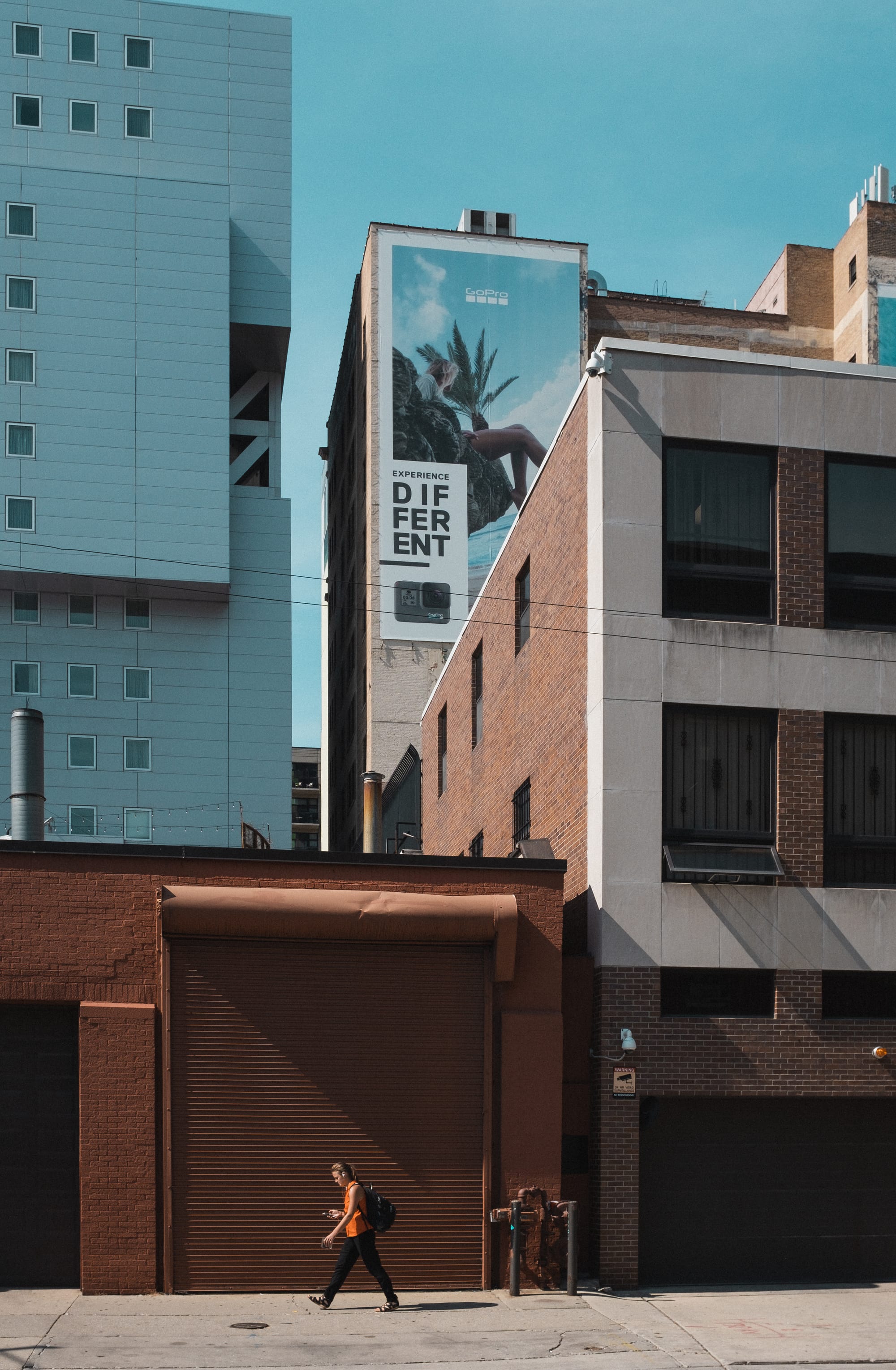
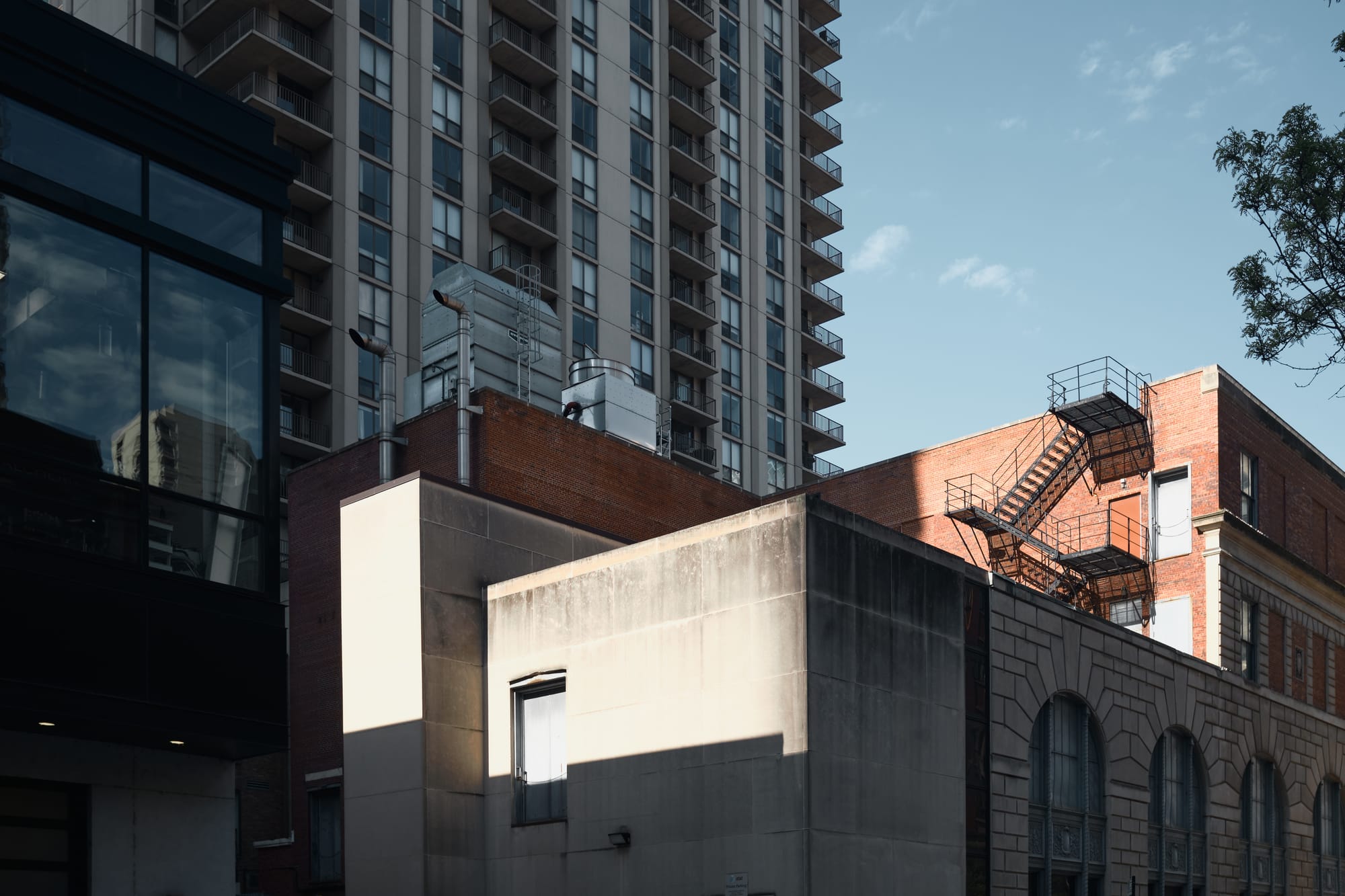
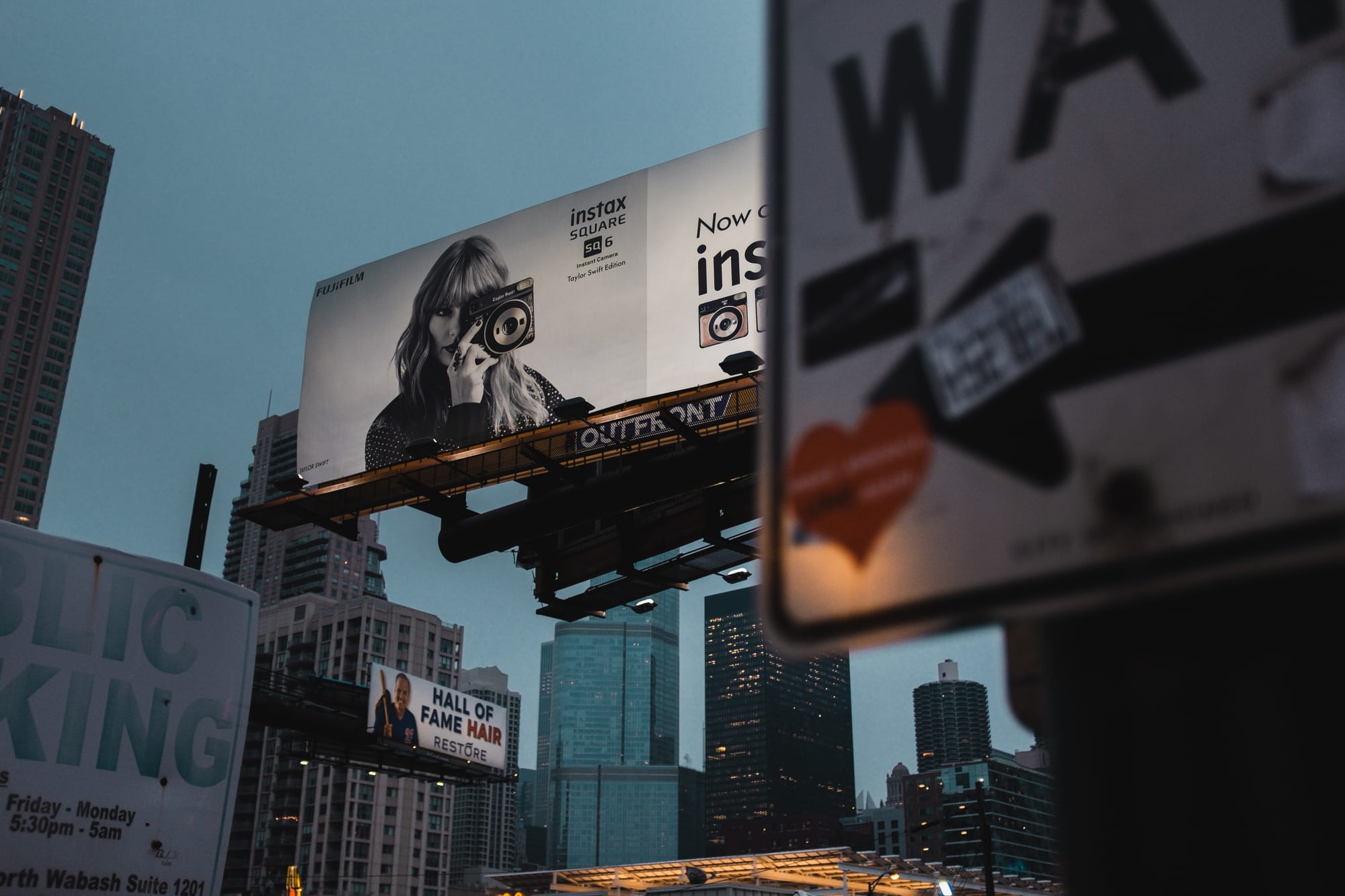
The Fuji X100F is the single most brilliant piece of kit for a photographer, akin to a classic weekend sports car. It doesn’t have to be extremely fast, it doesn’t have to be expensive (just soundly made), and it most certainly does not have an automatic transmission. But then why would you want one? Unlike the plastic SLRs of the 2000’s, it’s a dense all-metal camera that glistens to be touched, clicked, adjusted, equipped with auxiliary thumb grips, sexy aged Mongolian leather straps, and, hopefully, be used for taking photos. But as I’ve said before - it has nothing to do with the specs (even though they’re more than adequate for responsiveness, battery life, focusing speed, low light photography and anything else that you can throw at this little brick). Much like an air cooled 911, the X100F is about a sensation of being connected. In control.
It’s worth mentioning that prior to the X100F I have been photographing on a full frame Canon 5d body (I, II, and III) with a bouquet of expensive, heavy L glass. I lugged this damnation of a kit across Sapa mountains while taking my mediocre tourist photos and celebrating years of Canon’s precision and red ring prestige (to be fair, my wife was carrying the kit - I was hauling our trekking backpack). So while you will totally get swole by carrying these large full frame lenses, you will also get noticed - and that’s not ideal for many reasons.
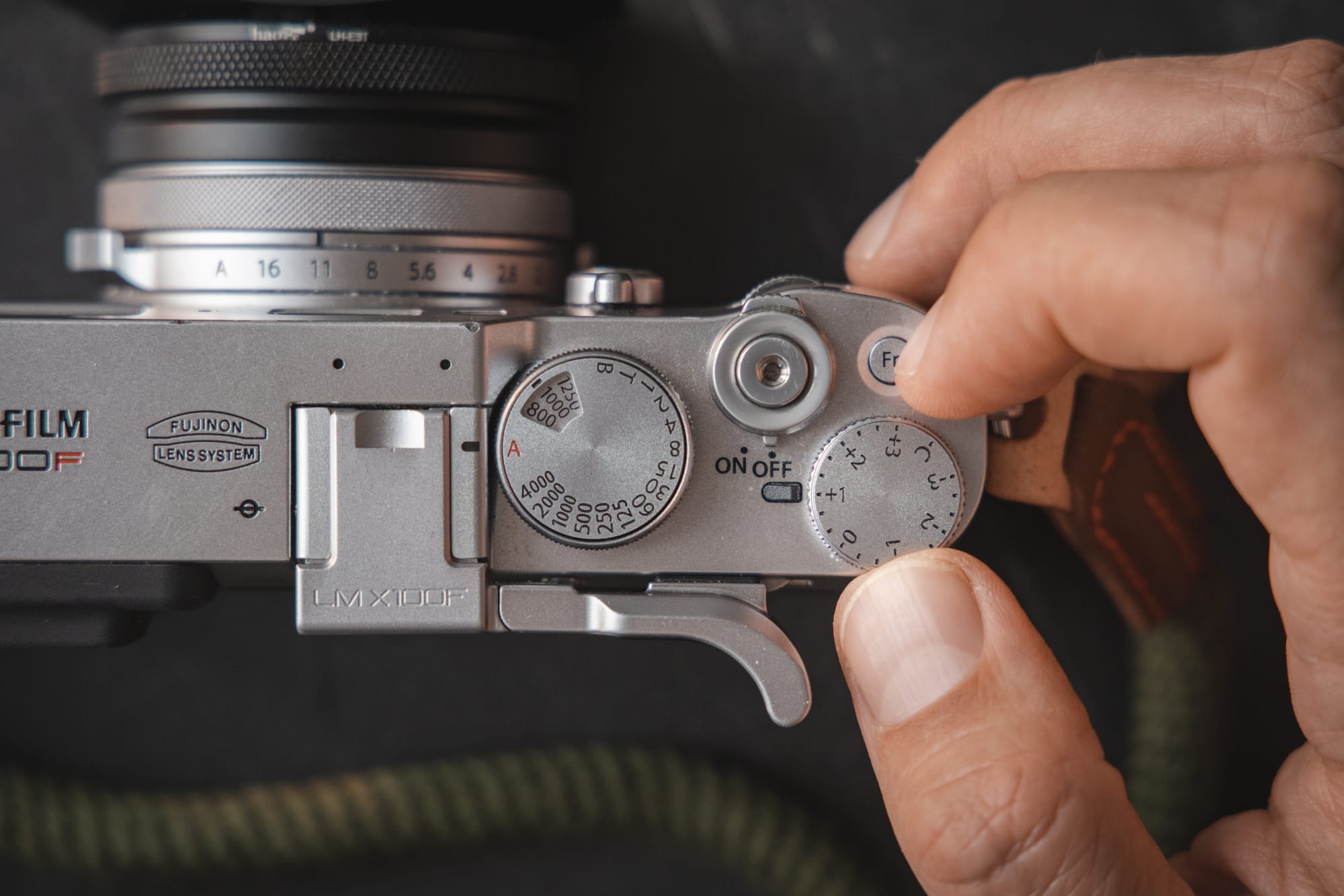
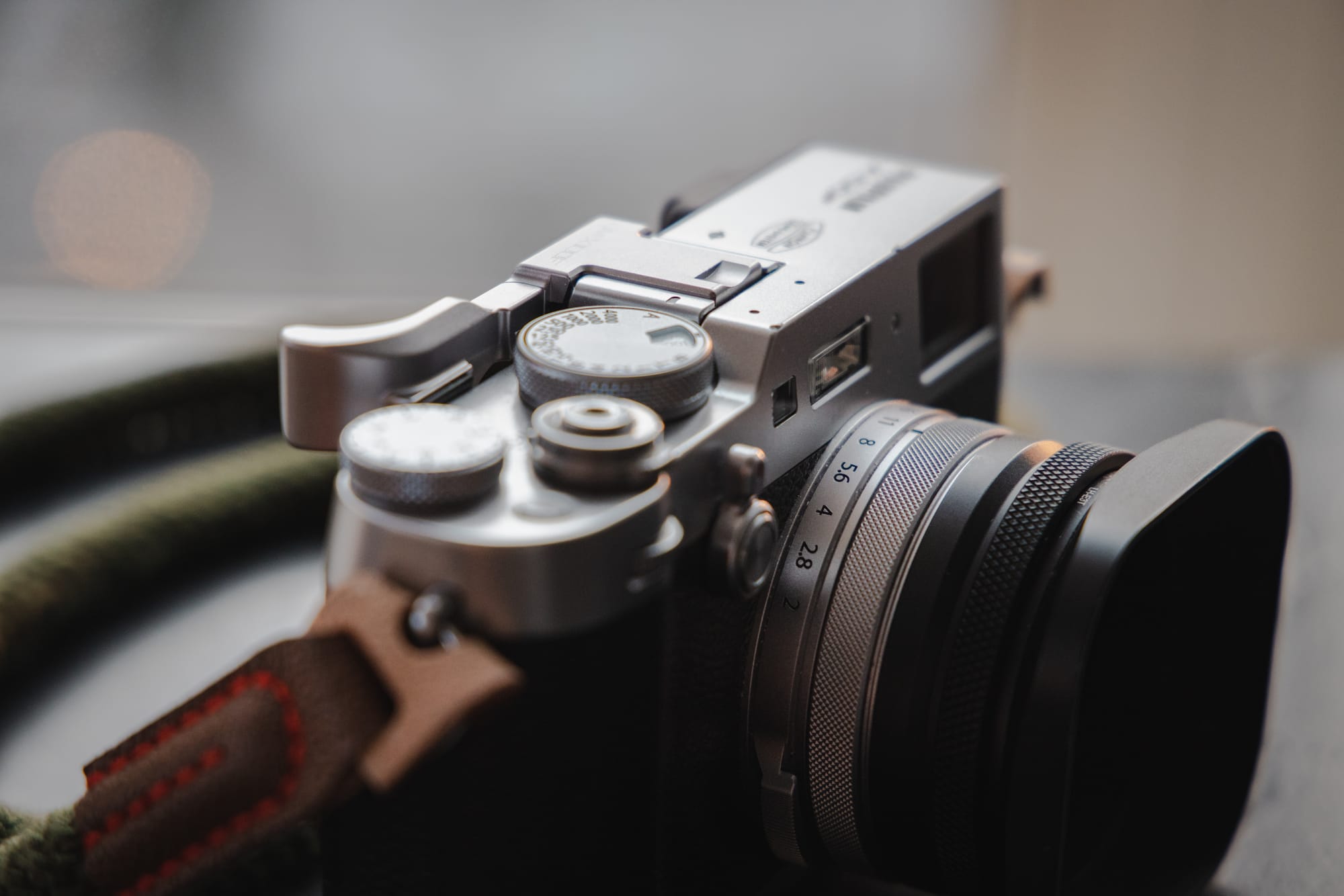
I picked up my first X100 camera at some point in 2013 and was immediately fascinated by the industrial design and ergonomics. Admittedly, the purchase was made primarily based on the design aesthetic (that’s a pretty paper weight you have there next to your cappuccino) which led to a rather steep and frustrating learning curve as my mind wrestled with the transition from fast full frame zoom lenses, blade-of-grass-thin depth of field, and blazing autofocus. None of which the X100 had in its early iteration.
As I’ve grown fond of the camera over the years and continued the upgrade journey with each new release, I started thinking about ways that this simplistic and highly restrictive piece of gear has made me reframe the creative process. I grouped my thoughts into the following three categories.
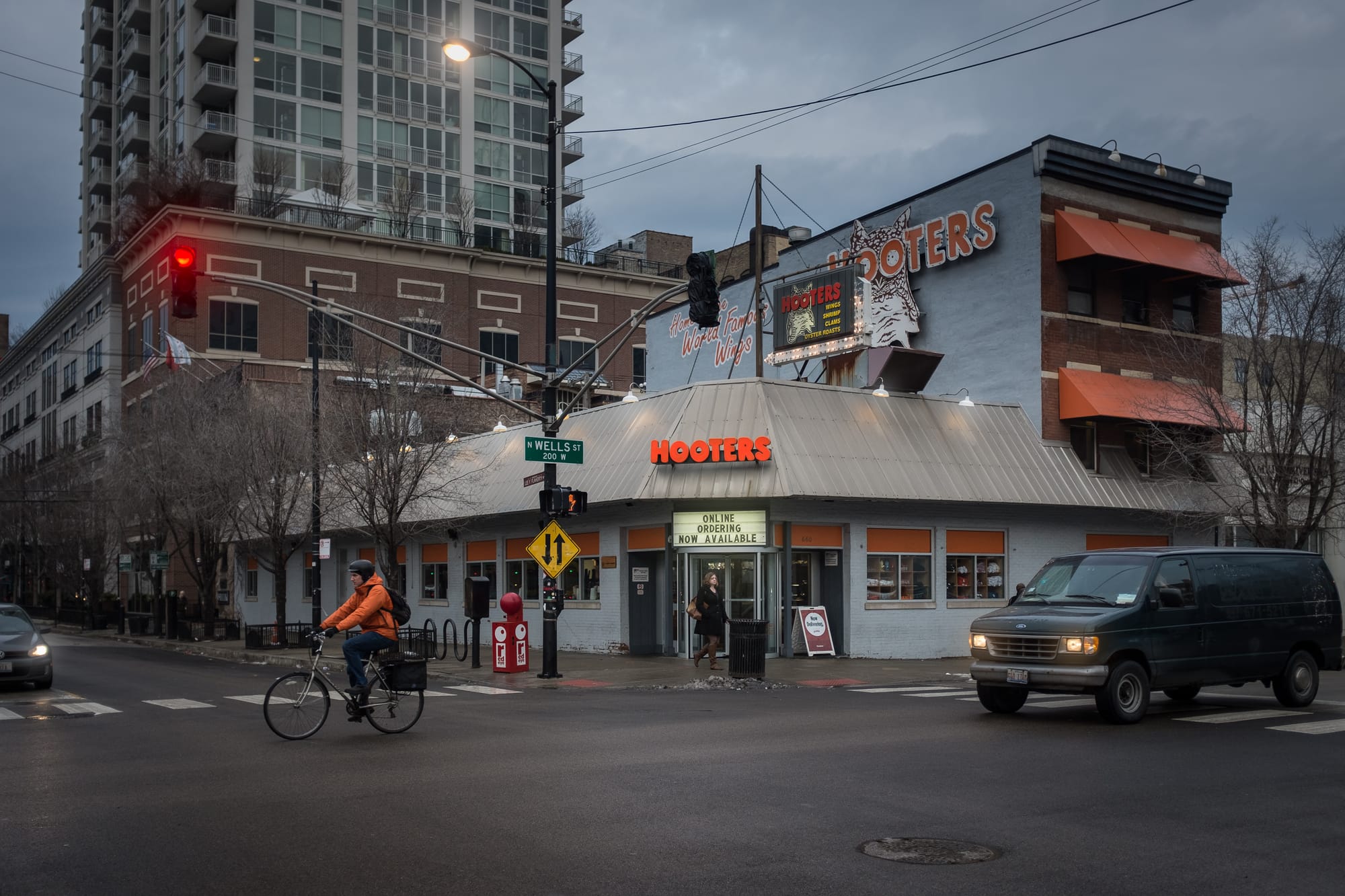
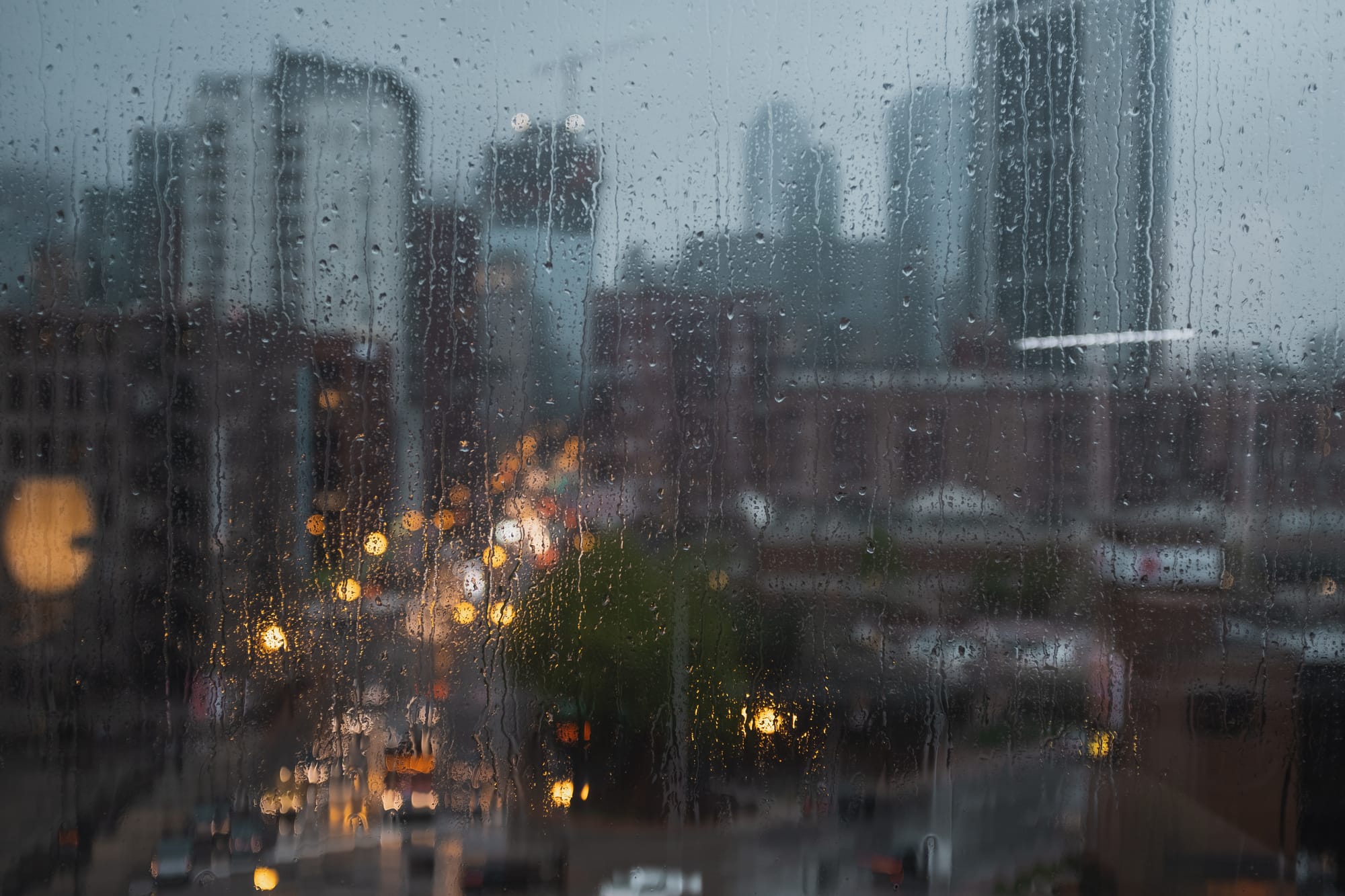
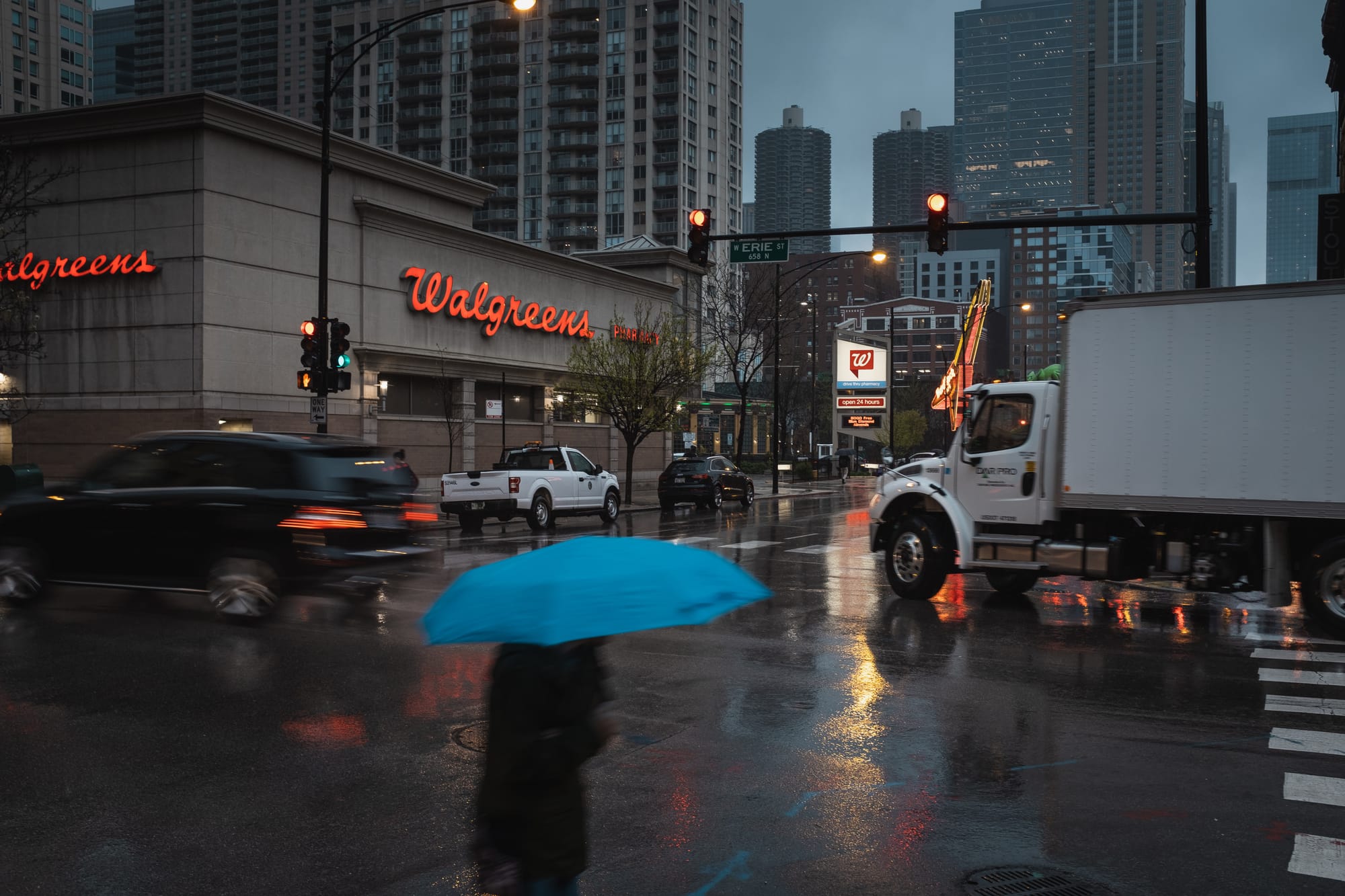
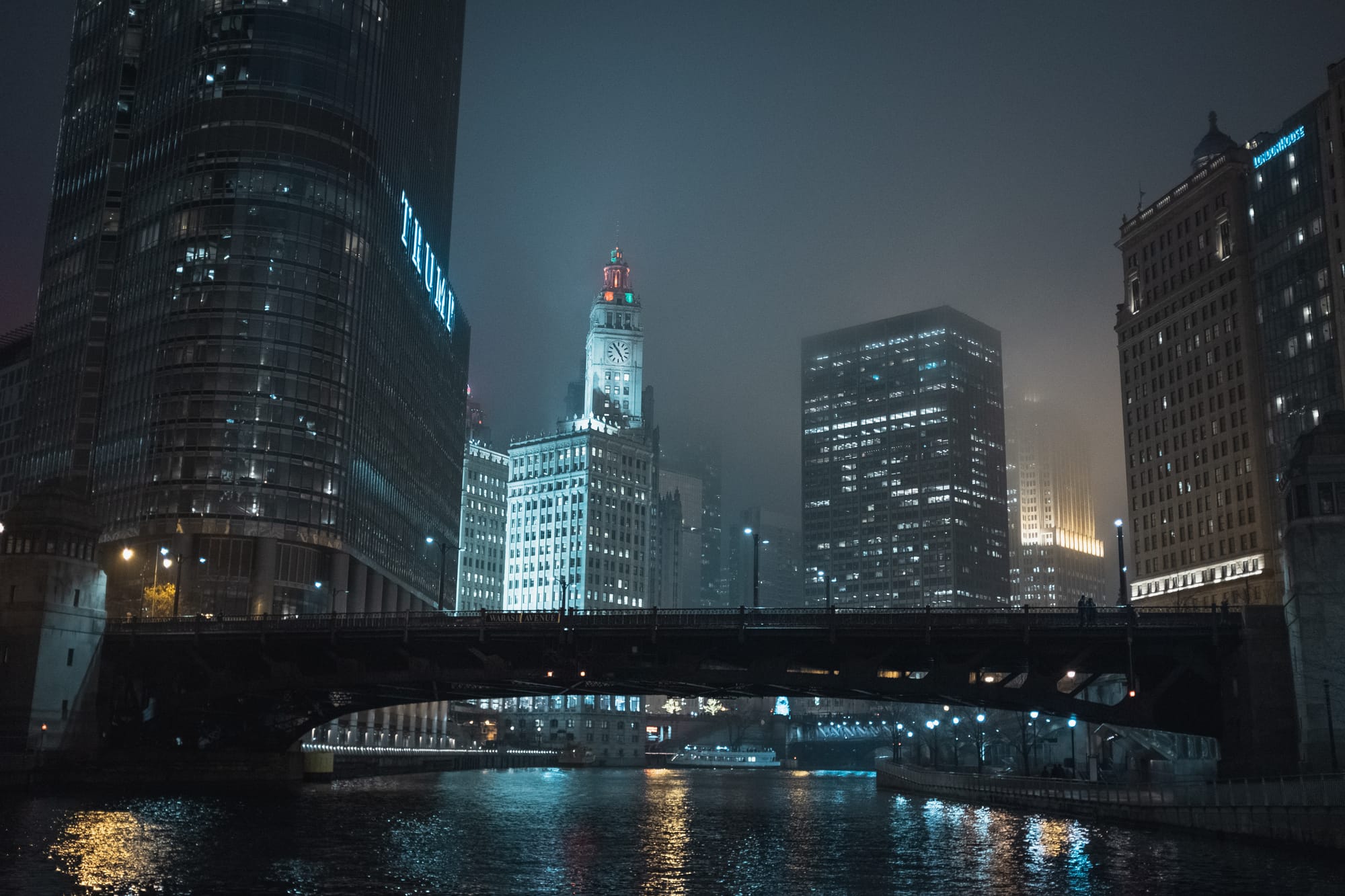
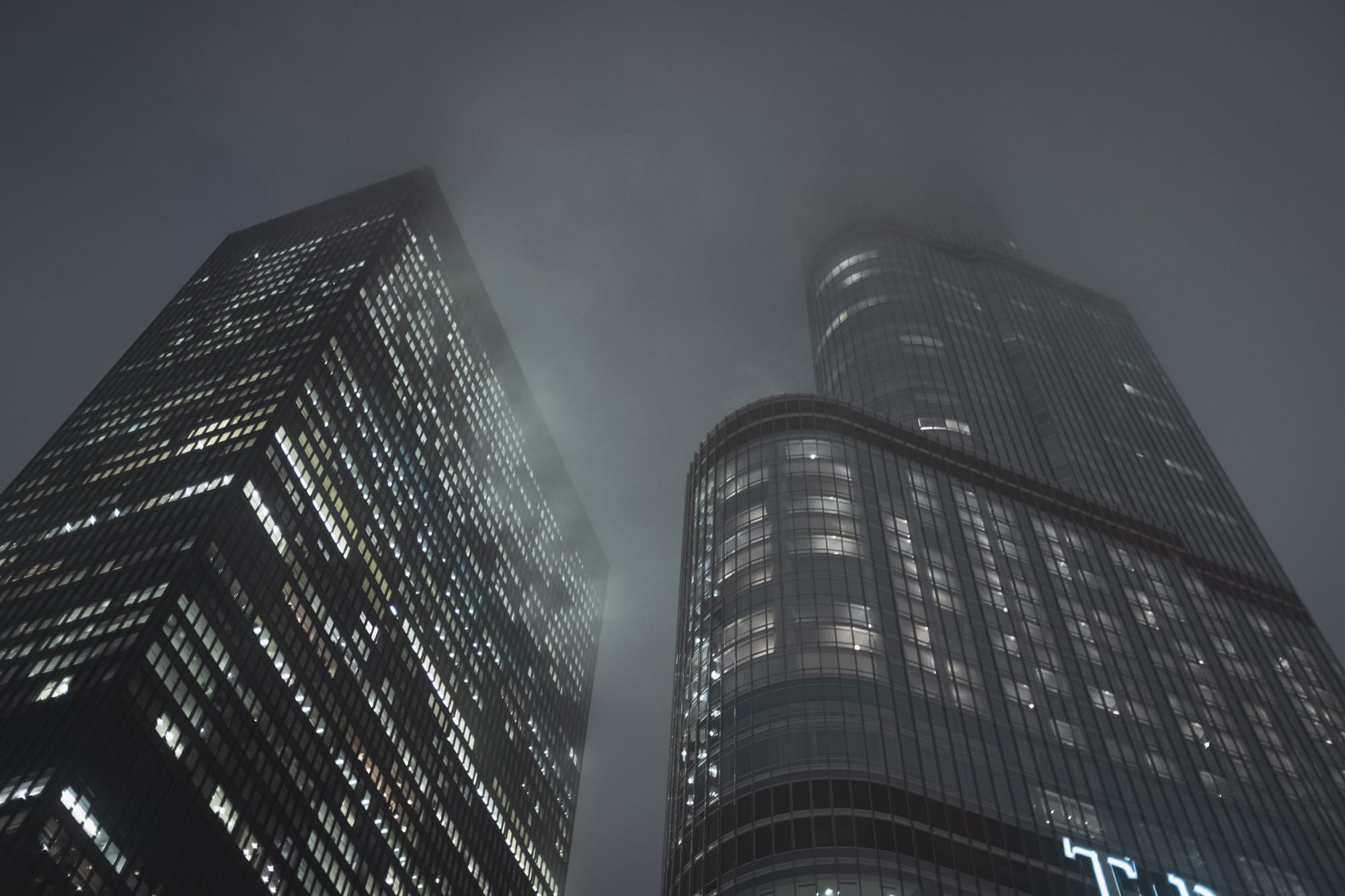
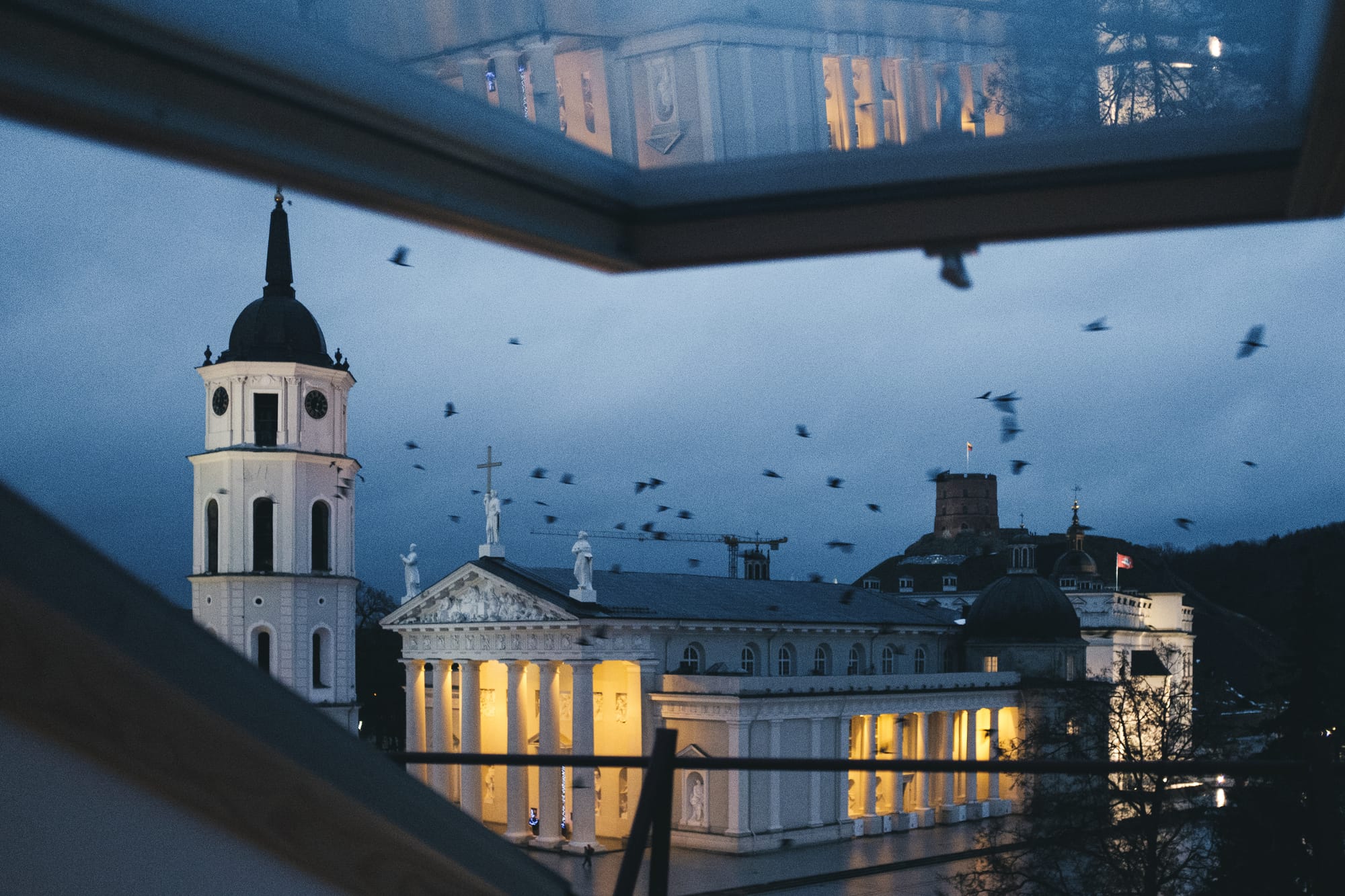
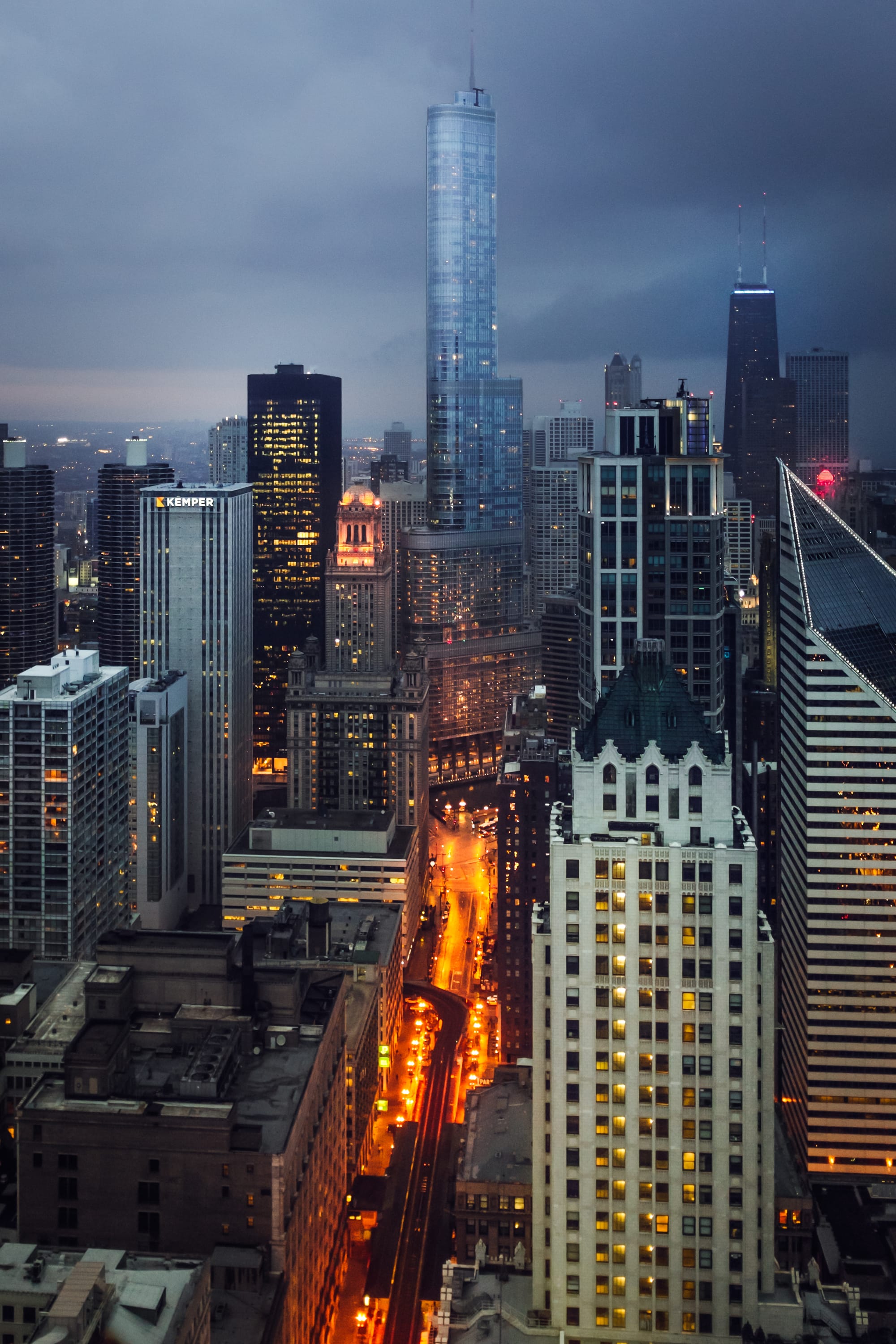
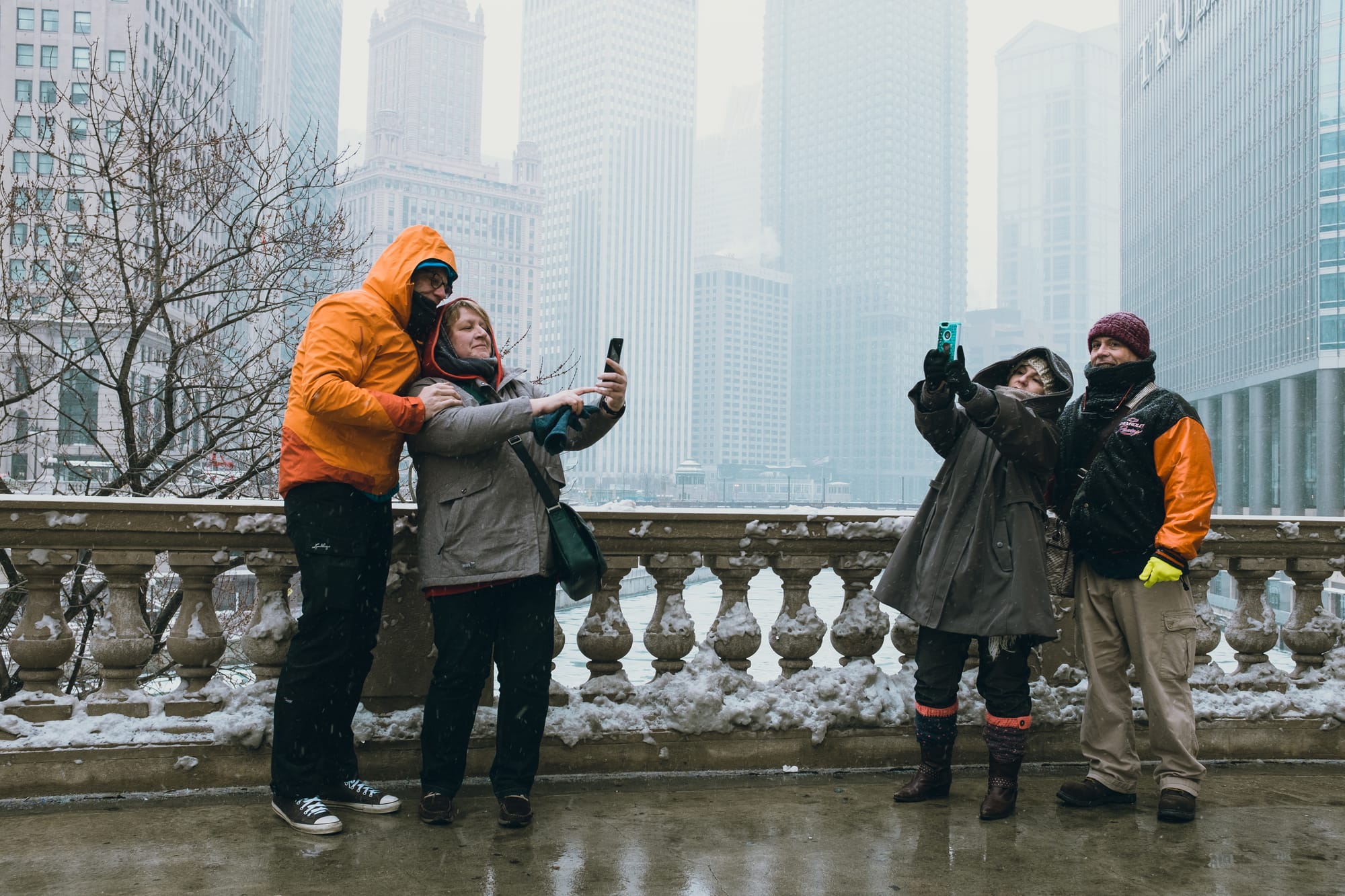
My favorite weather.
Drive it like a manual
Technically it can be fully auto, but hear me out. If there’s one thing we preach in software product design is that the interface dictates interaction model. To incentivize the right behavior - build the path of least resistance in your interface. So the most brilliant decision that Fuji made was to analogize (the reverse of digitize, eh?) the three fundamental variables of photographic exposure - aperture, shutter, and ISO. Each can be easily adjusted without navigating any electronic menus, each proudly sits as a delicious metallic knob on top and front of the camera body. Fuji even threw in an exposure compensation dial, which is an extremely handy tool when the internal metering system is fooled by a pesky light ray, bright wall, snow, etc.
There are a few benefits to analog controls that sit as a permanent fixture on the surface of the camera:
- I can adjust settings without turning the camera on and prepare for the scene
- I start “designing” my shot by looking at all three parameters, instead of relying on a “mode” such as aperture priority or shutter priority. Yes, I get it, they mostly do the same thing, but “mode” is an additional control/menu/knob that is fundamentally unnecessary.
- the more I use manual settings and the rule of Sunny f/16, the better I become at anticipating situational needs
- manual settings train my mind to detect typical scenes that fool metering algorithms, as well as ways to break rules (e.g. high key, low key shots)
- setting the camera to F/11, zone focusing, and enabling high speed burst mode means that I'm a gunslinger from the future that never misses a street shot
Last, but not least, the camera has a built-in ND filter that can be accessed through the menus or mapped to the Fn button on the top of the camera… and a high speed flash sync of up to 1/1000s! Insane.


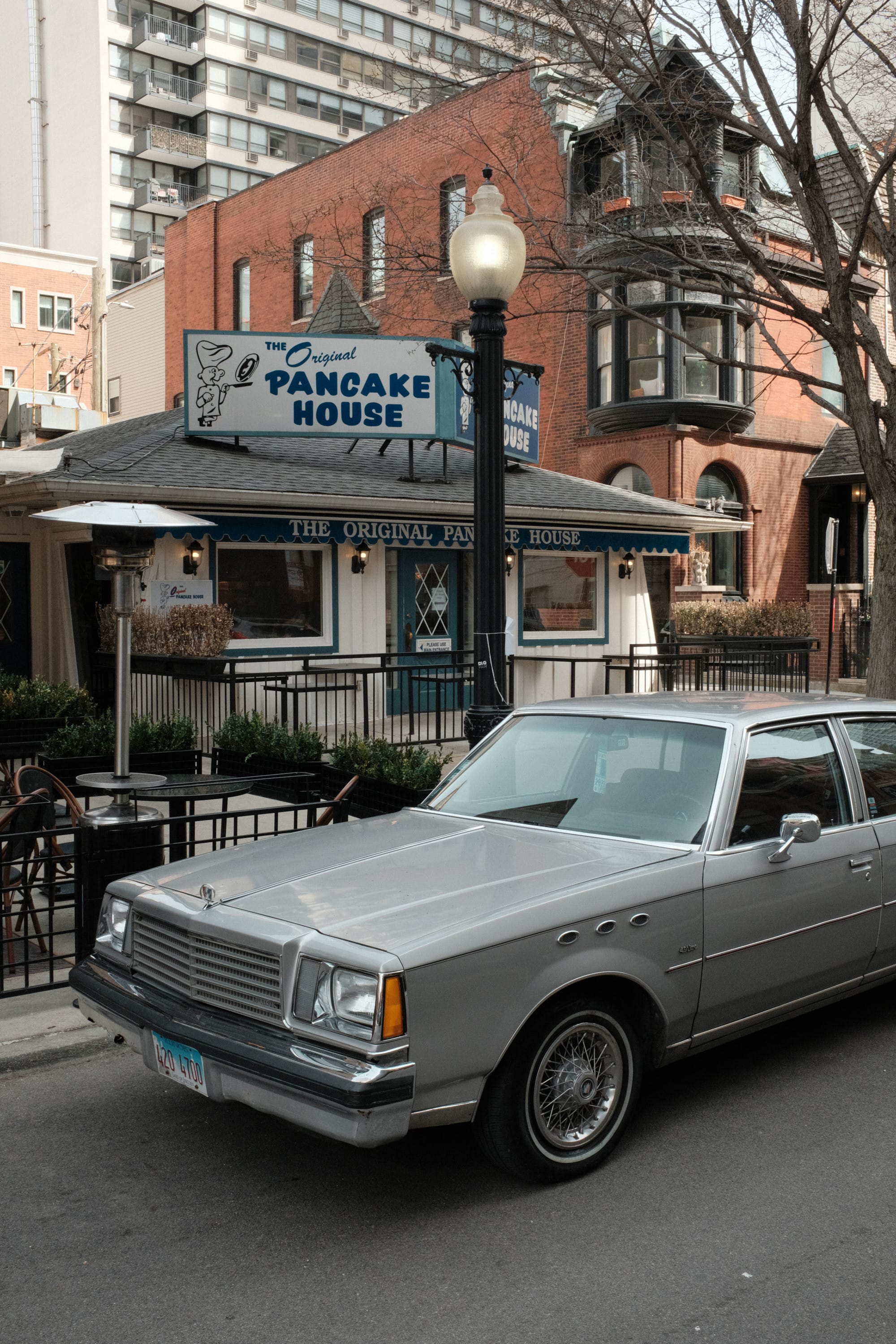
A fixed 35mm prime
There’s something liberating about not having a choice. Not having a choice to fall back on a “typical” treatment of a scene - such as using a portrait lens for people photography, an ultra-wide to capture the cramped room, and so forth… Having just a 35mm focal length forces me to get creative about capturing the narrative that I’m in or end up not telling the story at all. And we can’t have that.
Due to the limitations of the DOF, I may introduce foreground elements that can introduce sense of depth in a typical portrait shot. I may put in extra effort to seek out a cleaner backdrop, walk around the scene longer, because I know I can’t just throw the background out of focus. The restraint of the focal length as well as the optical limitations of a tiny 23mm crop sensor pancake lens means that I have to get creative to make the image interesting and unique, instead of relying on brute force. Speaking of brute force, have you seen that new RF 50mm from Canon? Curl that baby for a month and you’ll set off the airport metal detectors with them guns.
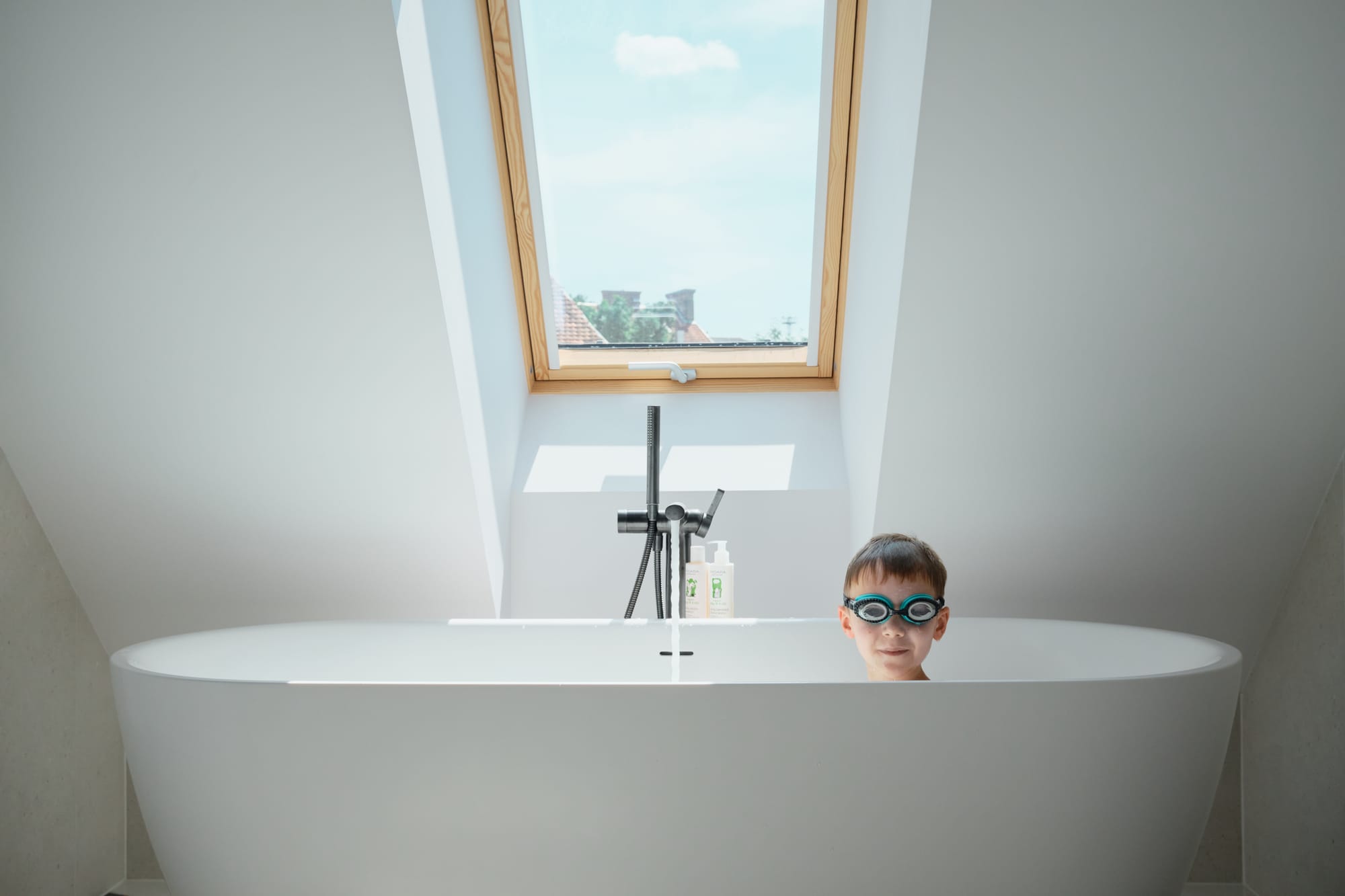
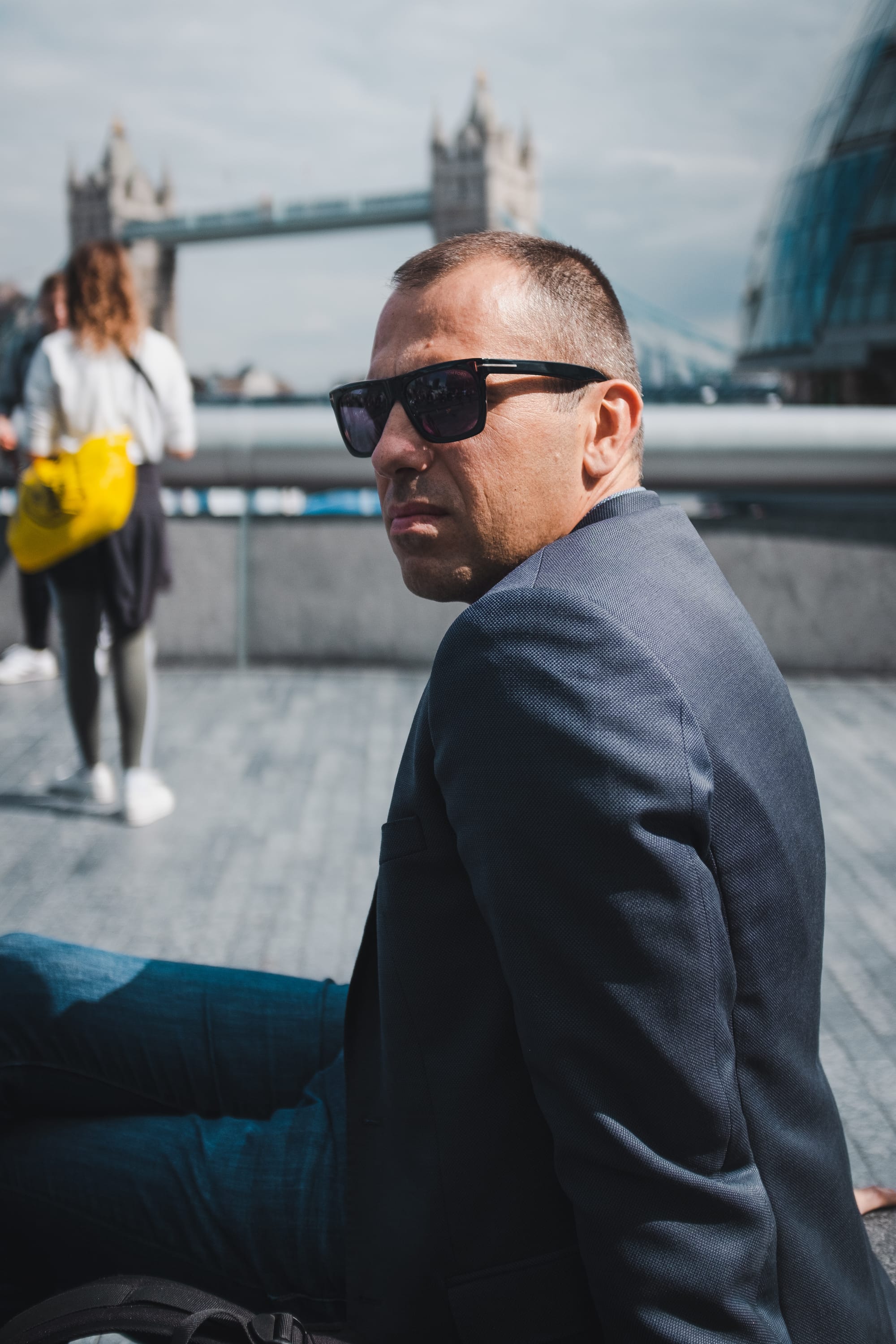
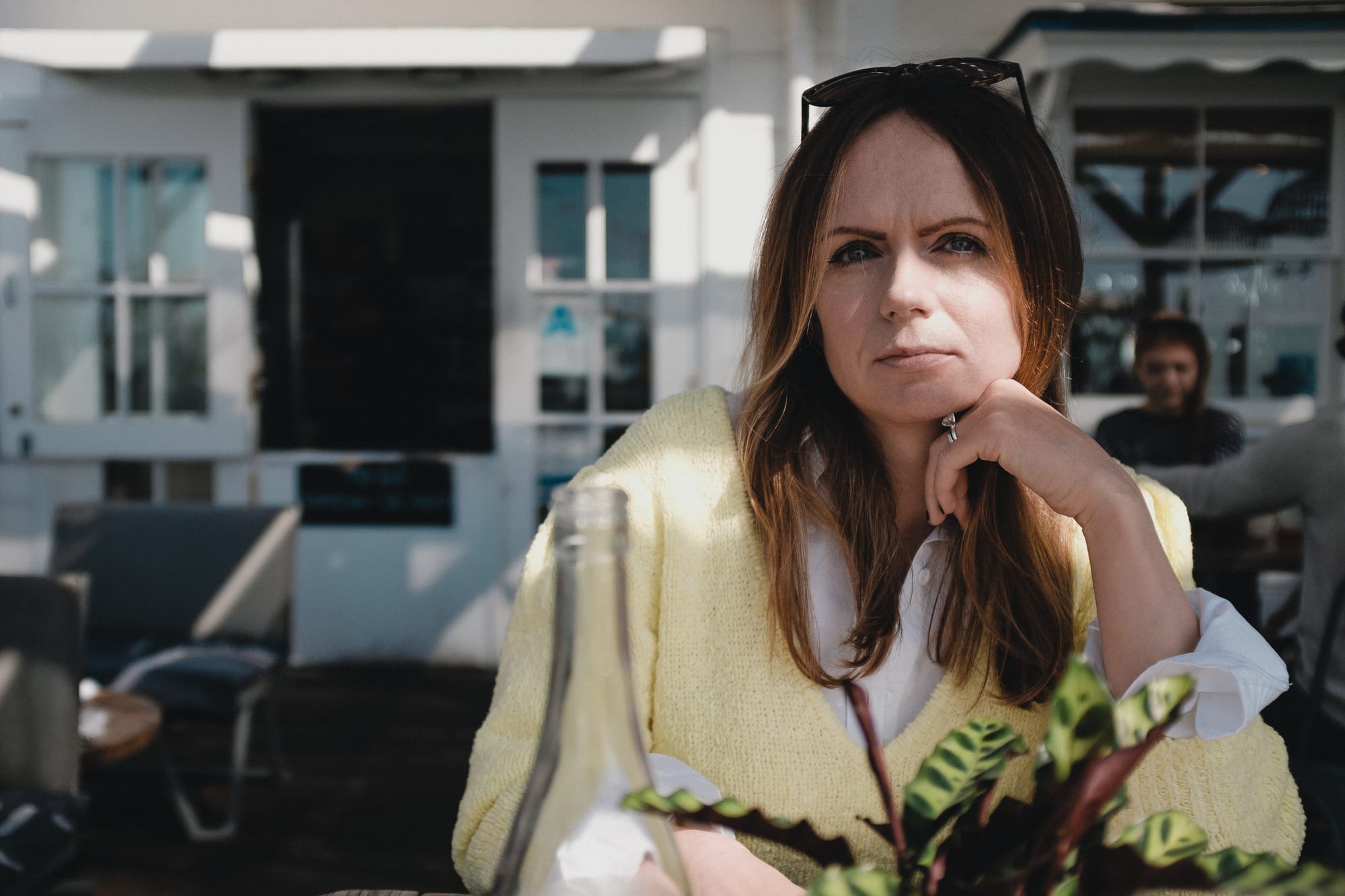
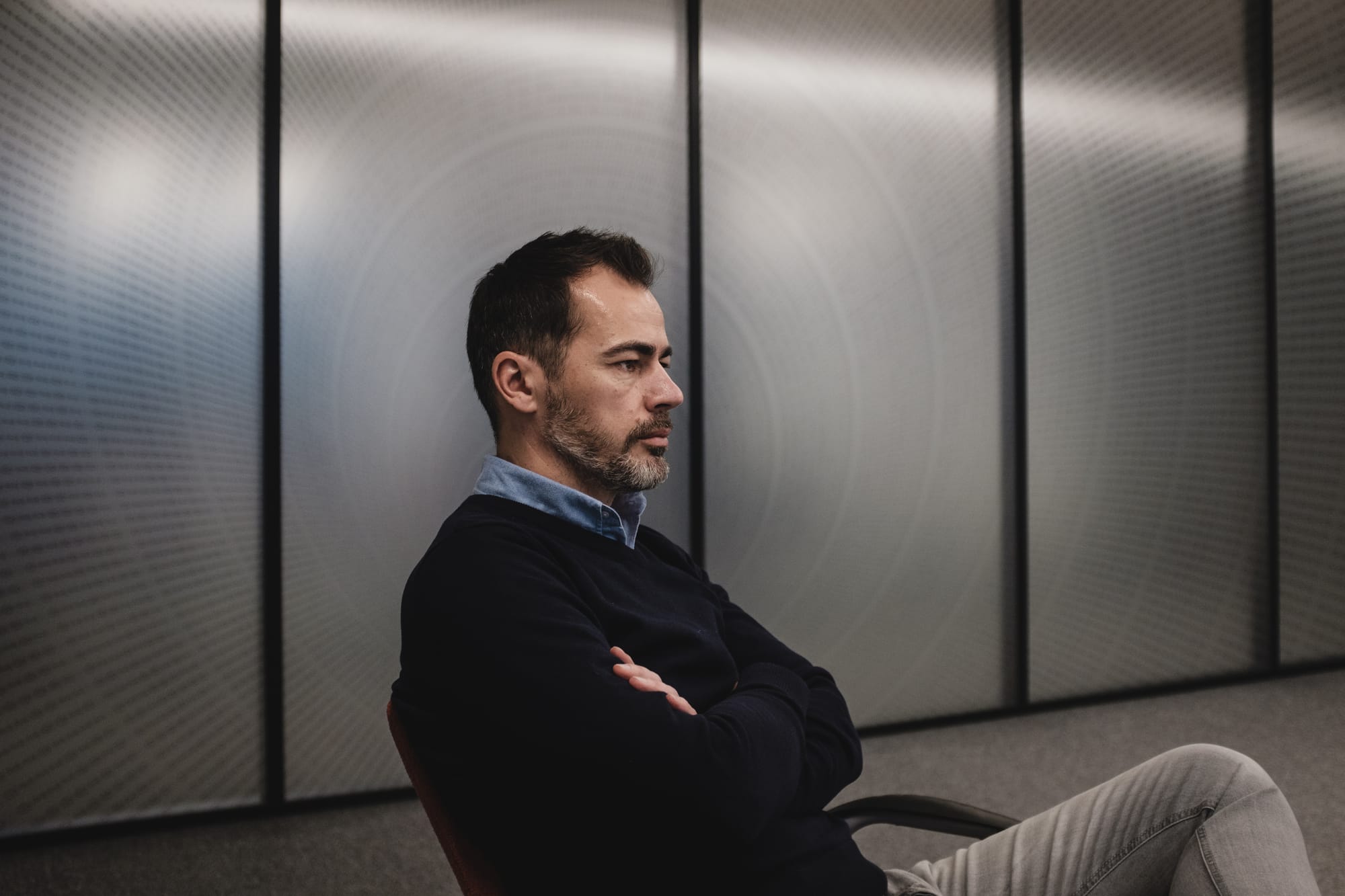
35mm is great for environmental portraits.
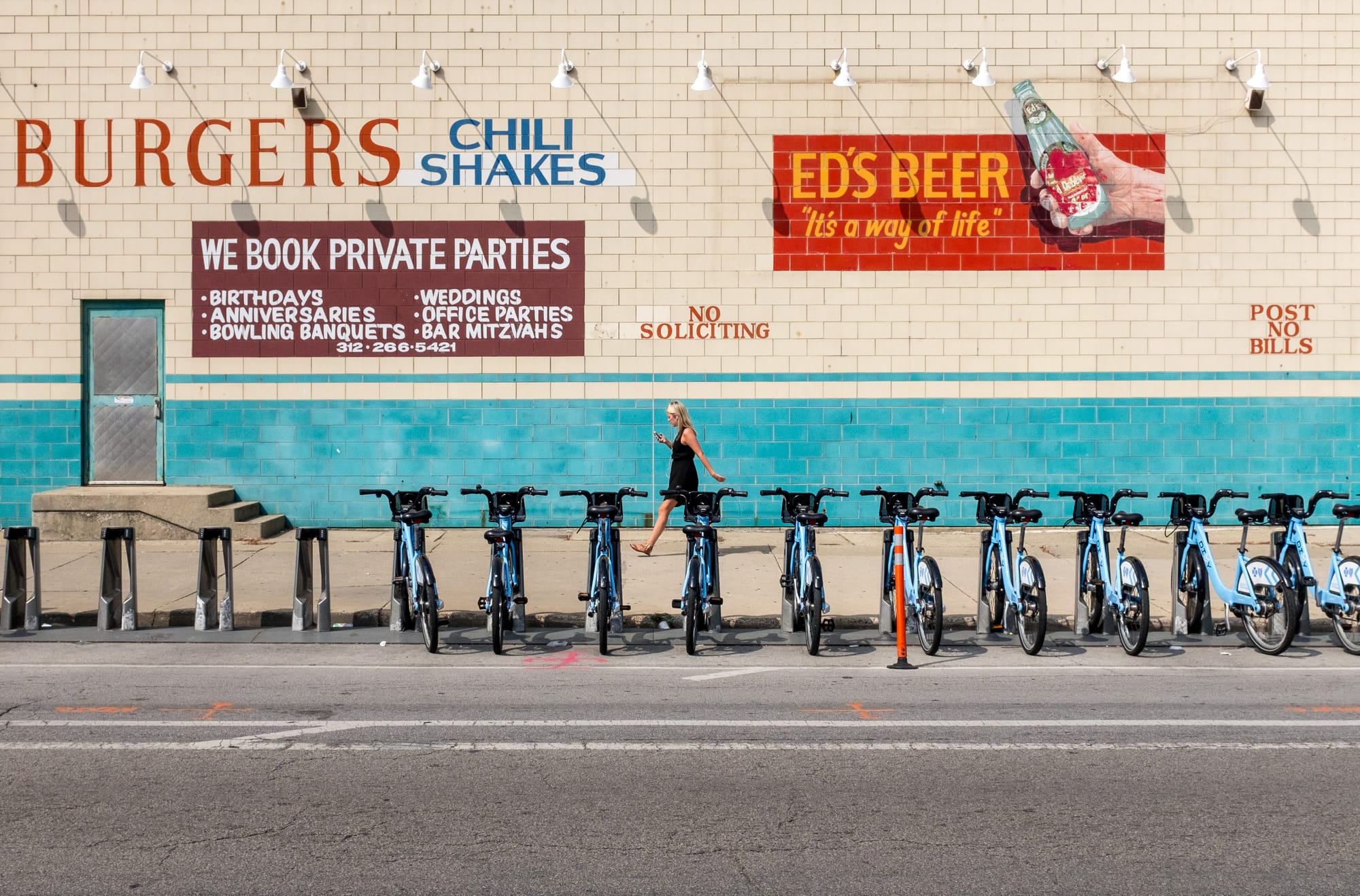
Lastly, a fixed focal length trains my mind to see opportunities without looking through the viewfinder. It’s funny, but I can even judge what candid shot I can get on a typical Chicago street based on the width of the street - and whether I need to step into traffic to get the right perspective on the scene. Having five lenses in the bag (be it primes or zoom) always guarantees a certain cognitive load - always having to evaluate if a swap is necessary without thinking about the subject, timing, composition, light, dynamics, etc.
So less is more.

Weight is king
While not a pocketable camera, the X100F is small and light enough to be inconsequential when loaded in a backpack or around a neck. So it spends more time going places than sitting on a shelf. In addition to being discreet, it’s also… oh what’s the word I’m looking for… unassuming? I bring it into business meetings with clients, workshops, dinners… and people are never intimidated when their picture gets taken. The retro design may even spark a conversation about film cameras. Try this with an SLR, you creep.
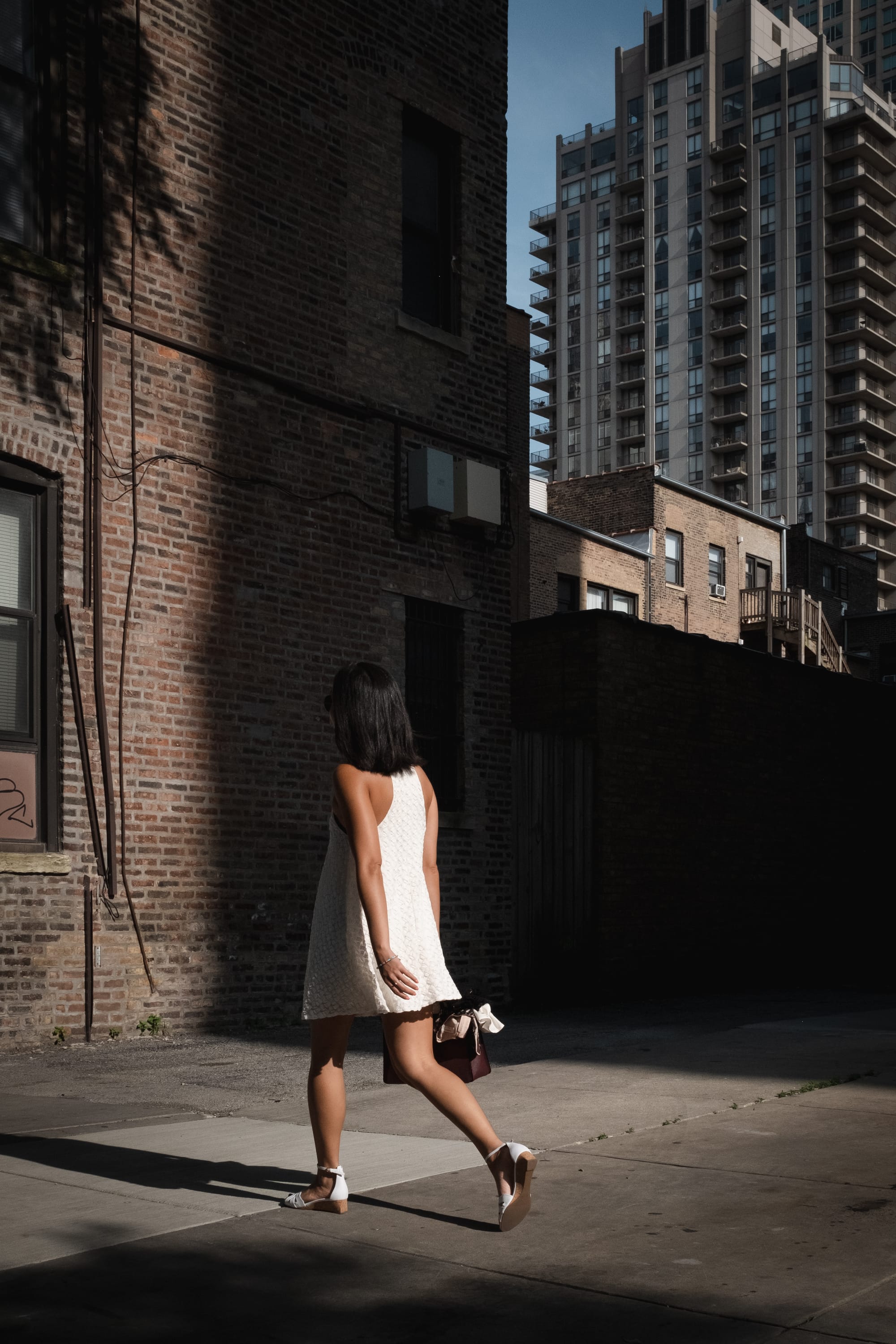

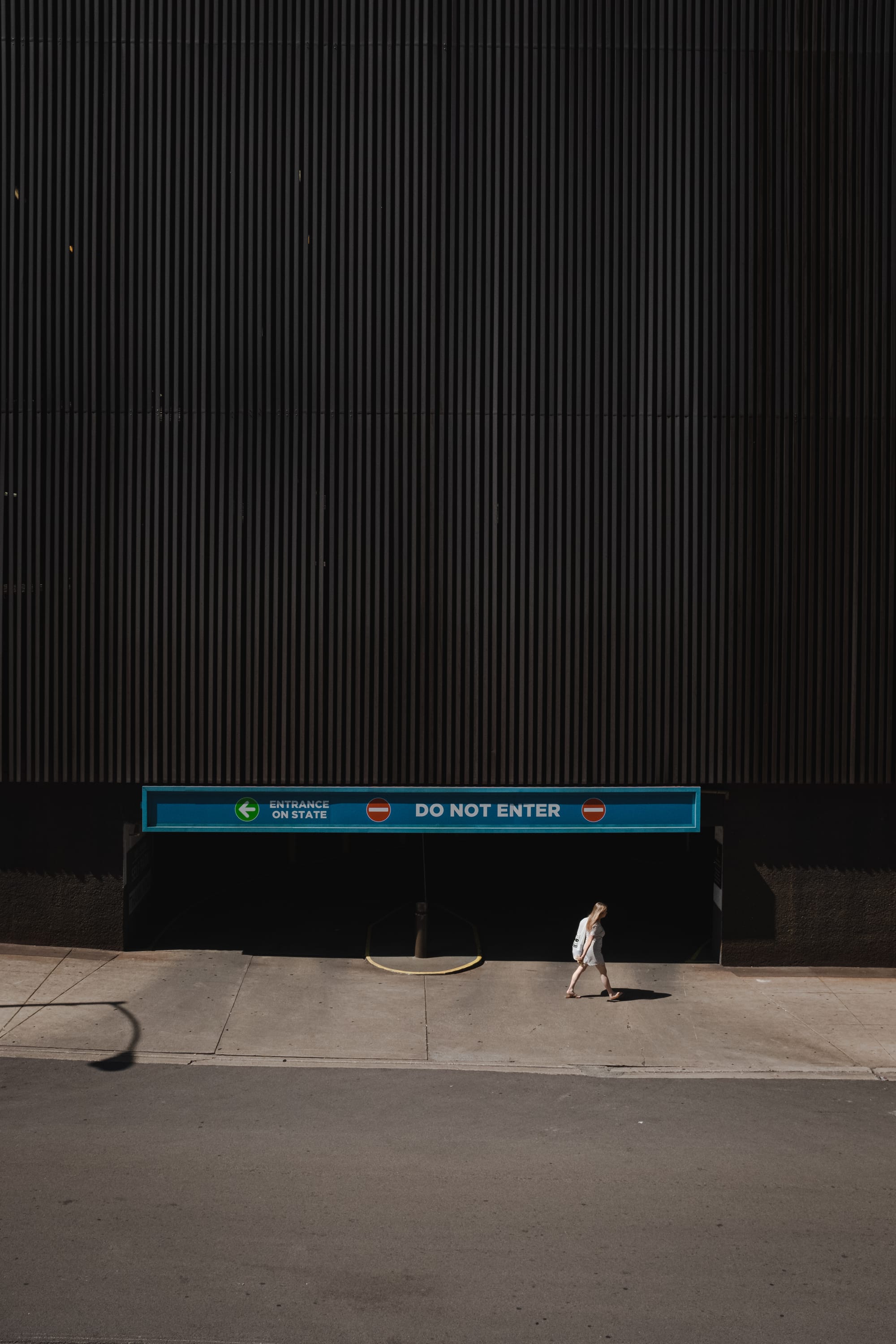
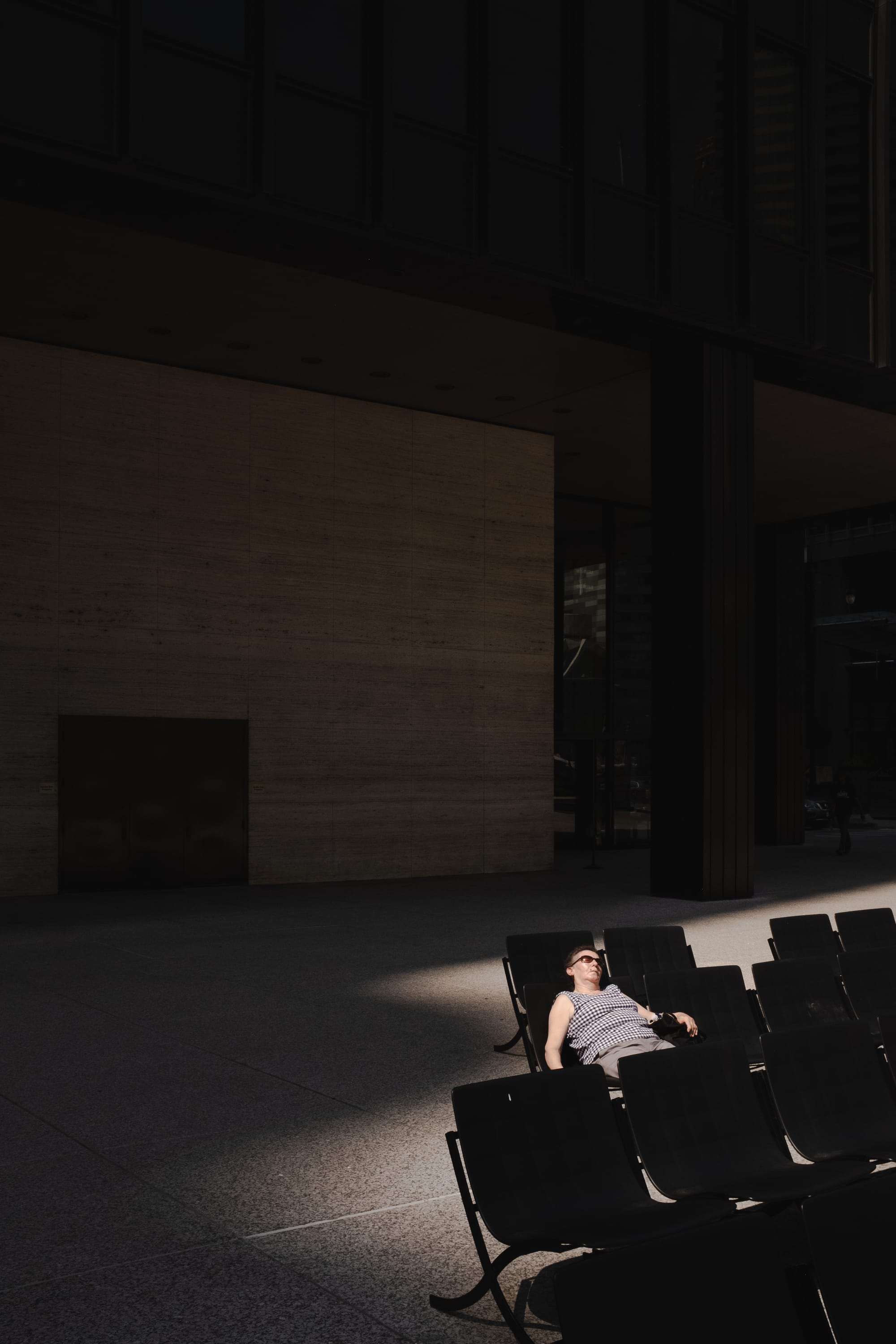
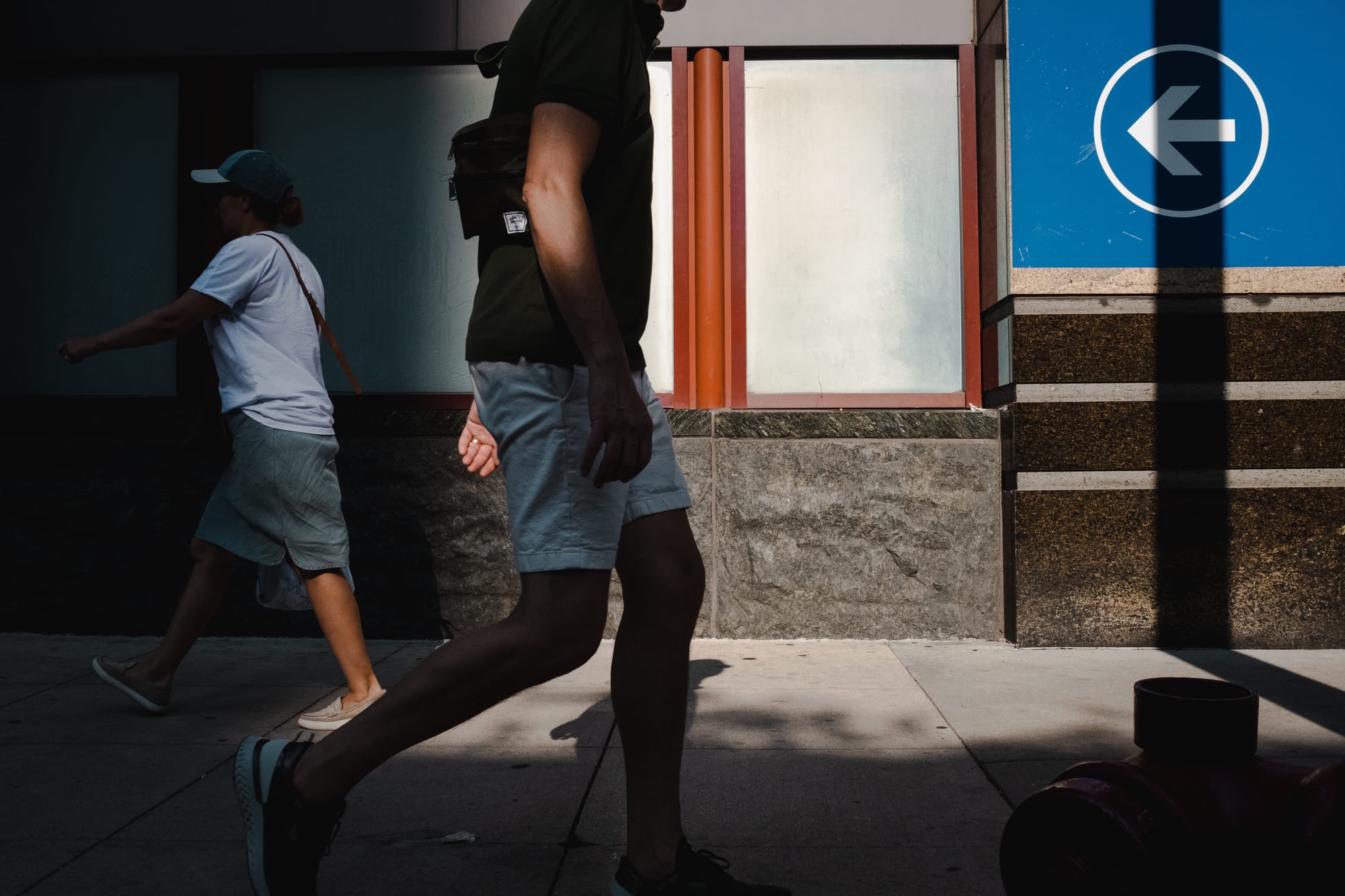
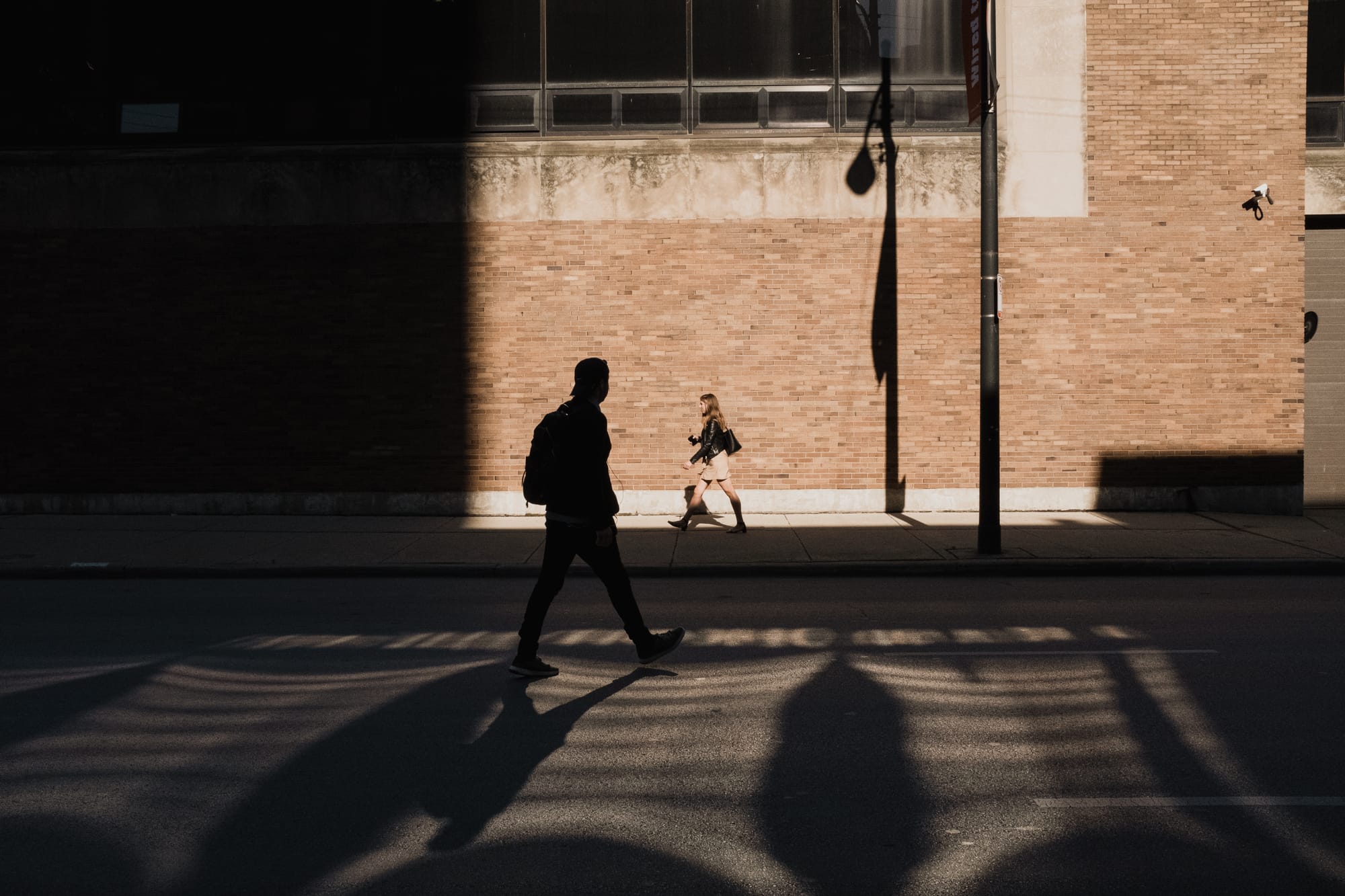
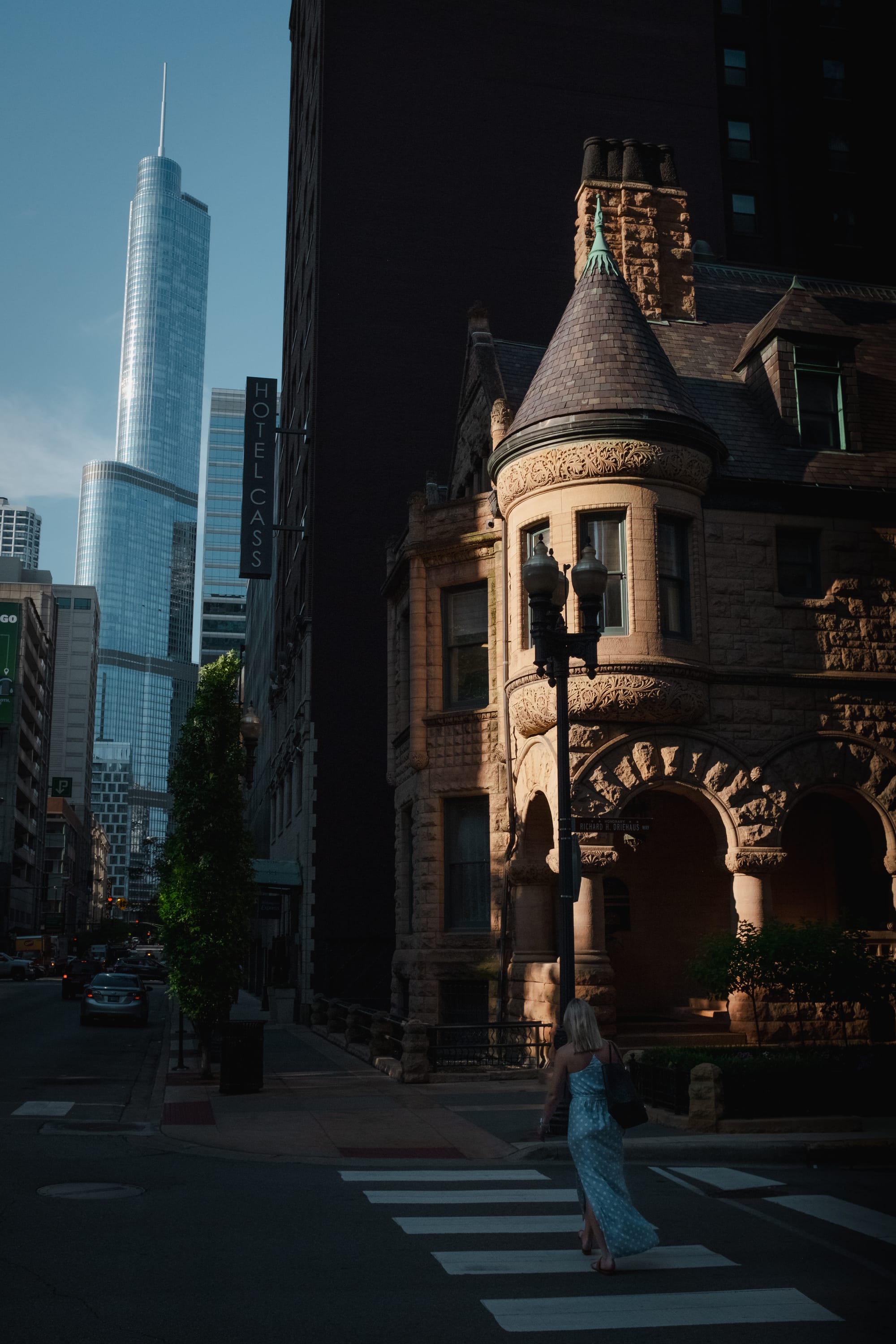
The same approach works just as well on the street. Once configured, I use the X100F with a single hand - always playing a clueless tourist that flails his tiny point and shoot at random things, steps into streams of people rushing by, and gapes at large buildings in the city. I’m not comfortable with direct confrontation - it feels counter-productive to reaching a state of flow while seeking out compositions in the wild - so this tourist persona is my current workaround. I’ve watched videos of Bruce Gilden create on the street, and have incredible respect for Bruce’s suffering and maturity of character that enables him to be so approachable and in tune with his subjects.
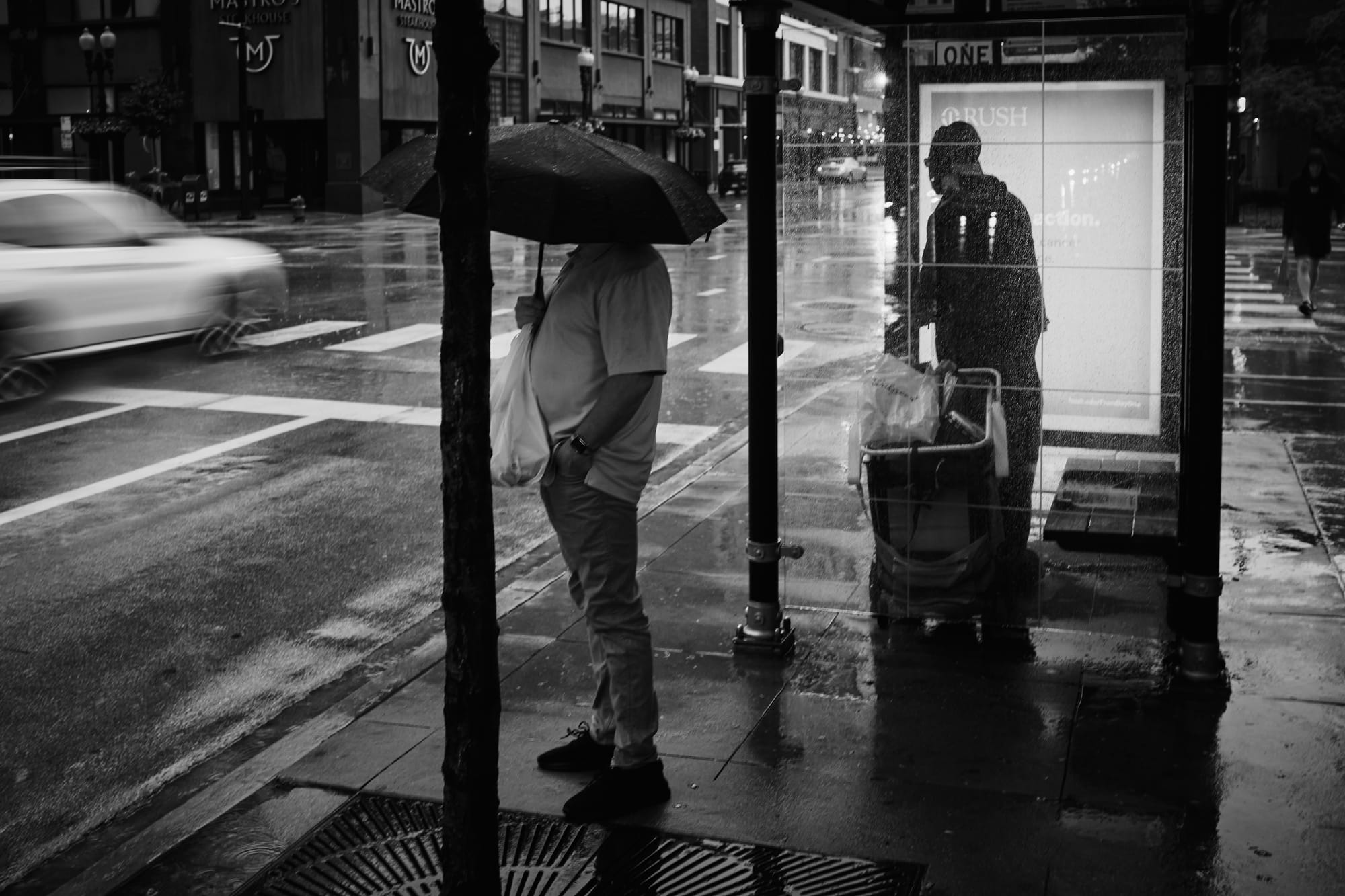
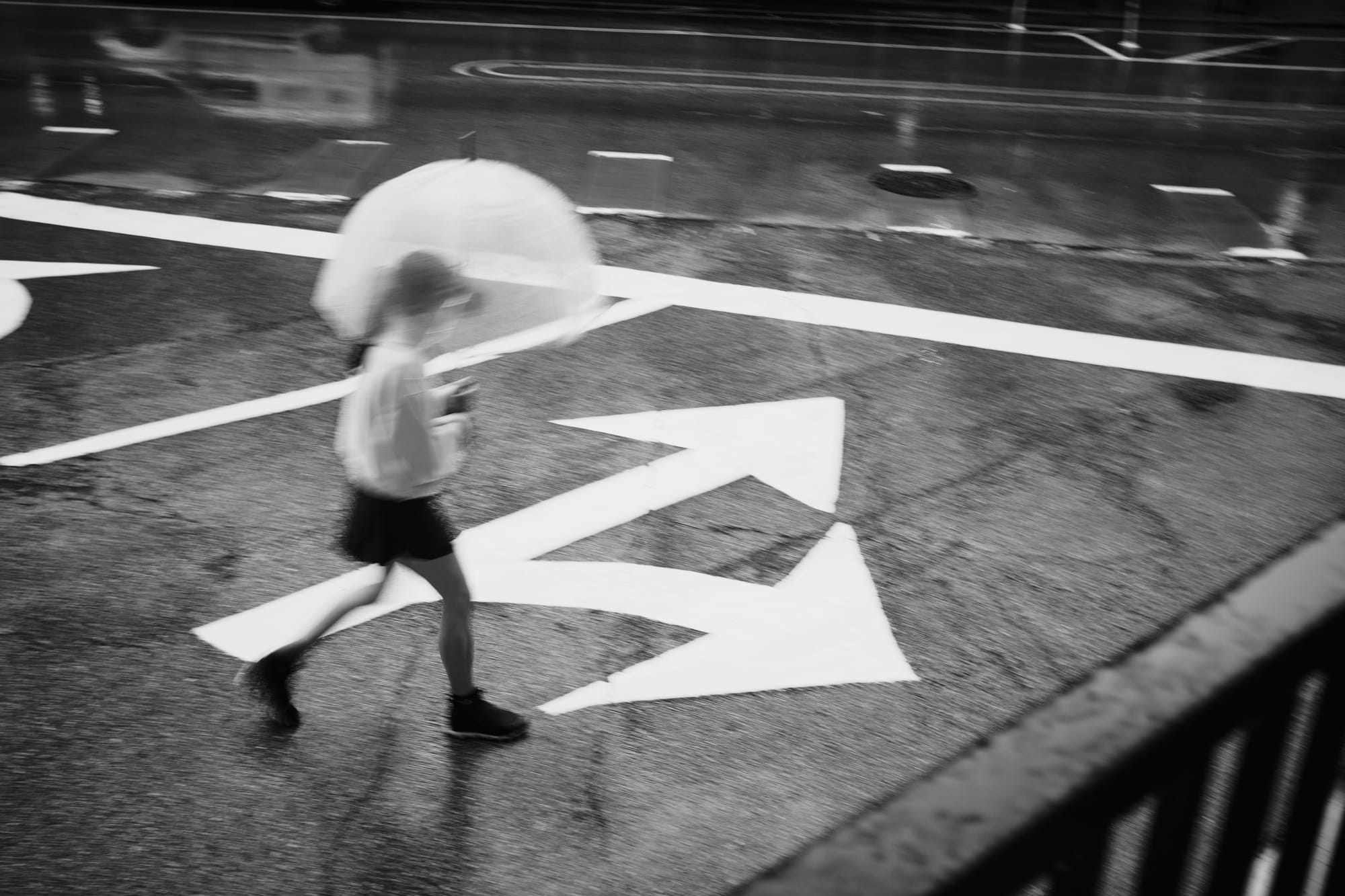
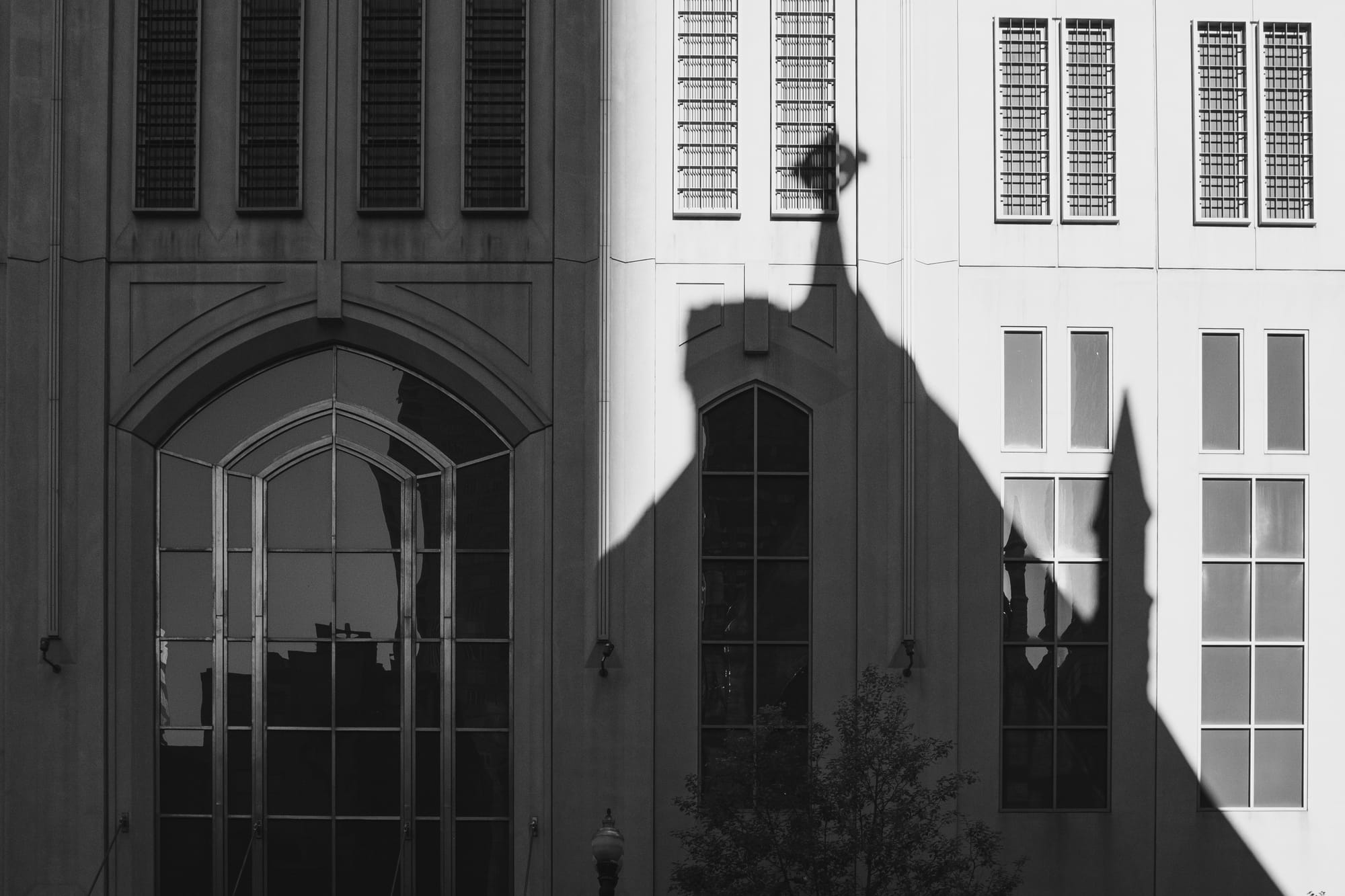
Lastly, a nail clipper makes more noise than the shutter of the X100F - even in high speed burst mode which goes up to eight frames per second (leaf shutter FTW!).
Conclusion
The Fuji X100F asks to be used. It provides a tactile sensation unlike any other camera and that keeps me coming back, always looking for new ways, new perspectives to leverage the constraints to my advantage. To Fuji’s credit it is an unassuming piece of gear that is, while not cheap, also not premium priced like many other competing products in the same fixed focal length compact category.
It will not replace your professional gear, but it will continue to remind you why you love photography.