Overlanding 2020: traveling together to be alone in the wild
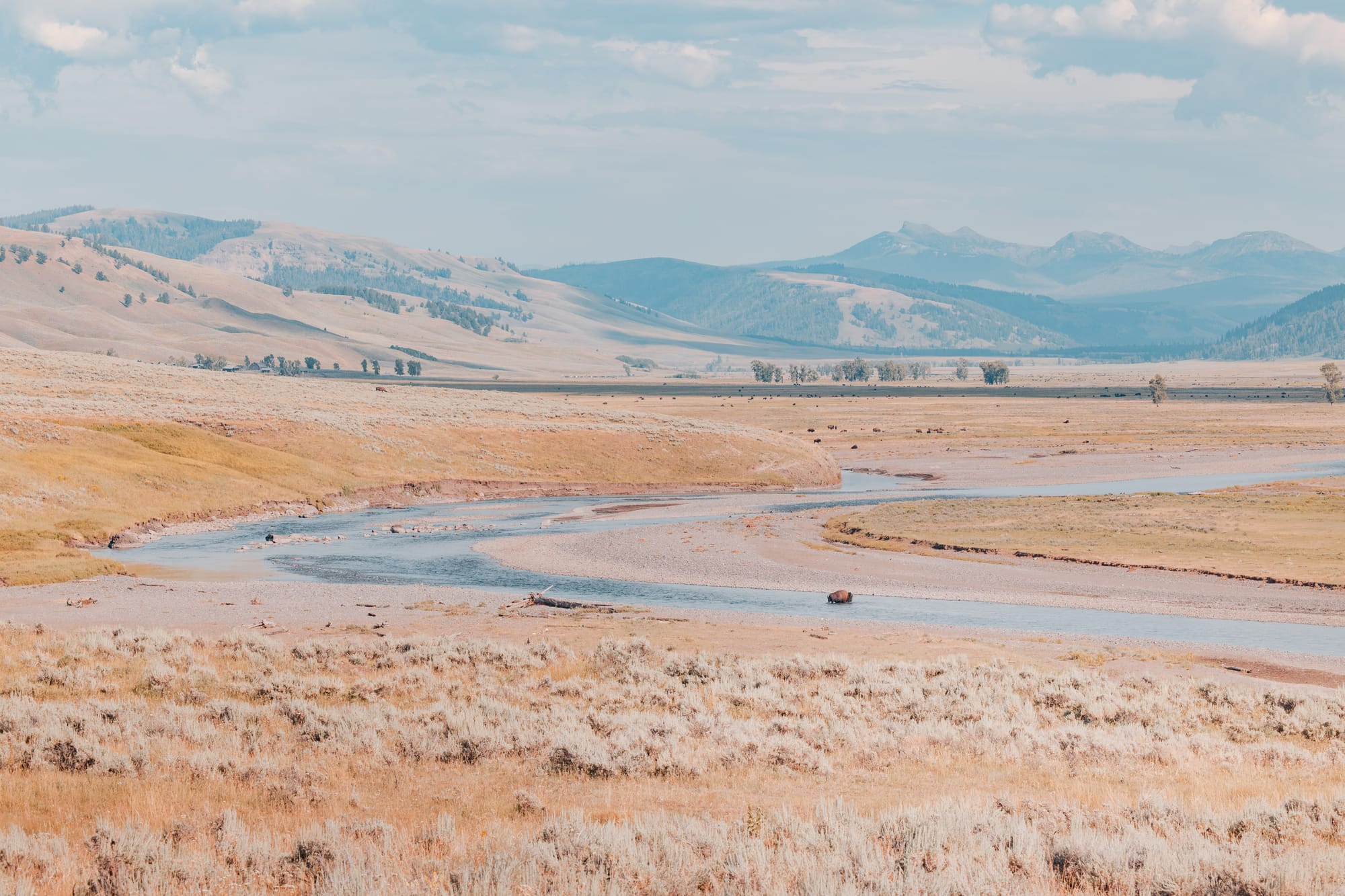
Somewhere between Colorado, Utah, and Wyoming.
I'm certain beyond a doubt that any hobby can be traced back to acquisition of gear. The process of researching, identifying, and purchasing gadgets is such a quintessentially "guy" thing to do that I would even classify it as a fetish. Dominic, who you'll meet in a minute, claims that building the perfect kit is, in many cases, more enjoyable than the hobby itself. But you're not familiar with overlanding, so I should probably elaborate before I tell you why my tactical shovel can dig the best latrine holes you've ever seen.
If it was all bricks and concrete, pure forms of substance, clearly and openly, he might survive. It is the little, pathetic attempts at Quality that kill. The plaster false fireplace in the apartment, shaped and waiting to contain a flame that can never exist. Or the hedge in front of the apartment building with a few square feet of grass behind it. A few square feet of grass, after Montana. Now it serves only to draw attention to what has been lost.— Zen and the Art of Motorcycle Maintenance, Robert M. Pirsig
I, sadly, can't claim ownership to the origins of this hobby. A group of my friends, all petrol-heads of varying qualifications (another hobby, I'm afraid), stumbled into an emerging method of adventure travel called overlanding. In Dominic's words, an overlander is a "Mad Max" type, an individual that travels to remote destinations using vehicles with knobby tires, recovery winches, and big LED light banks. Self-reliance and adventure travel are central themes, buying fast food or using highways are, obviously, frowned upon.
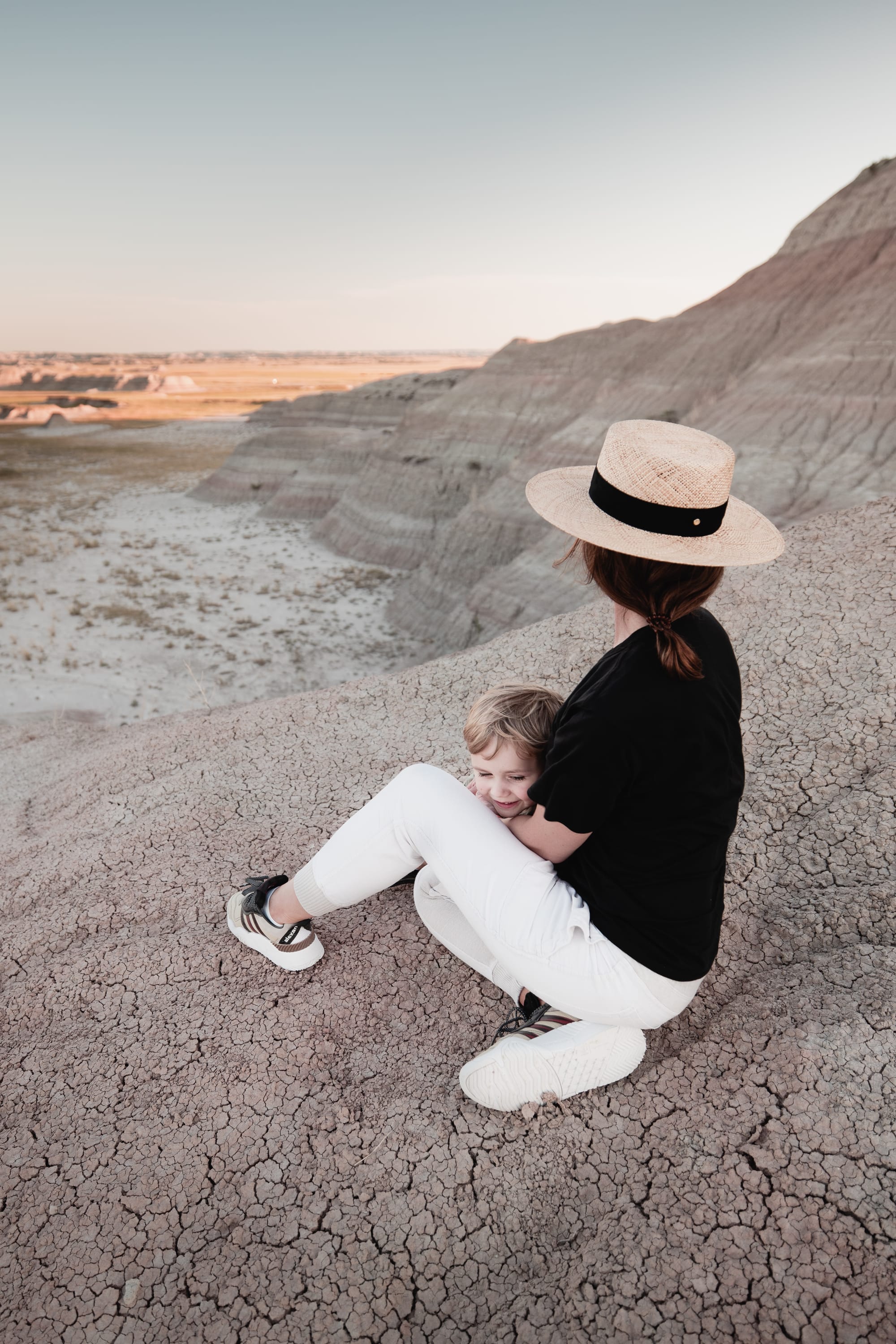
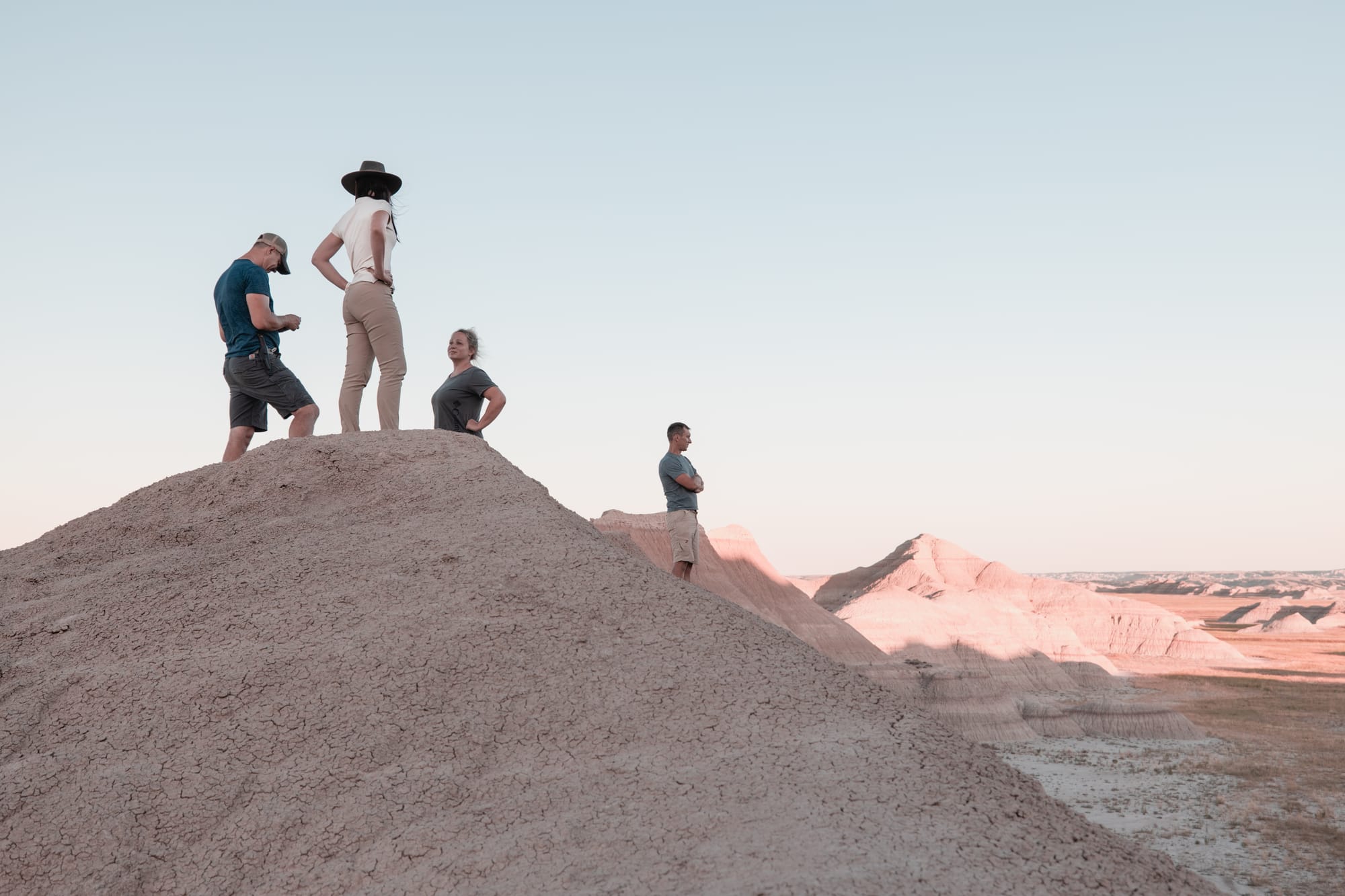
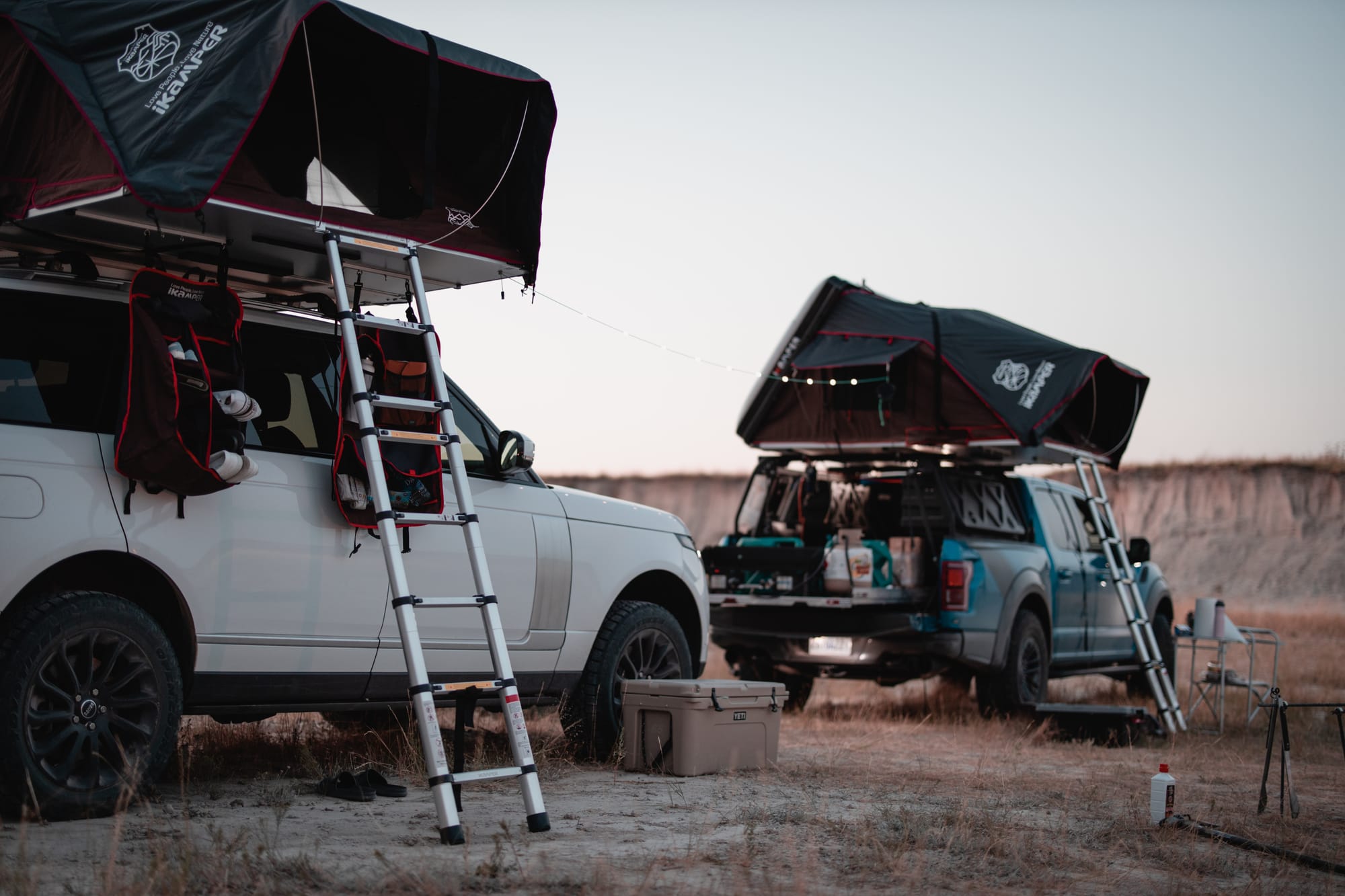
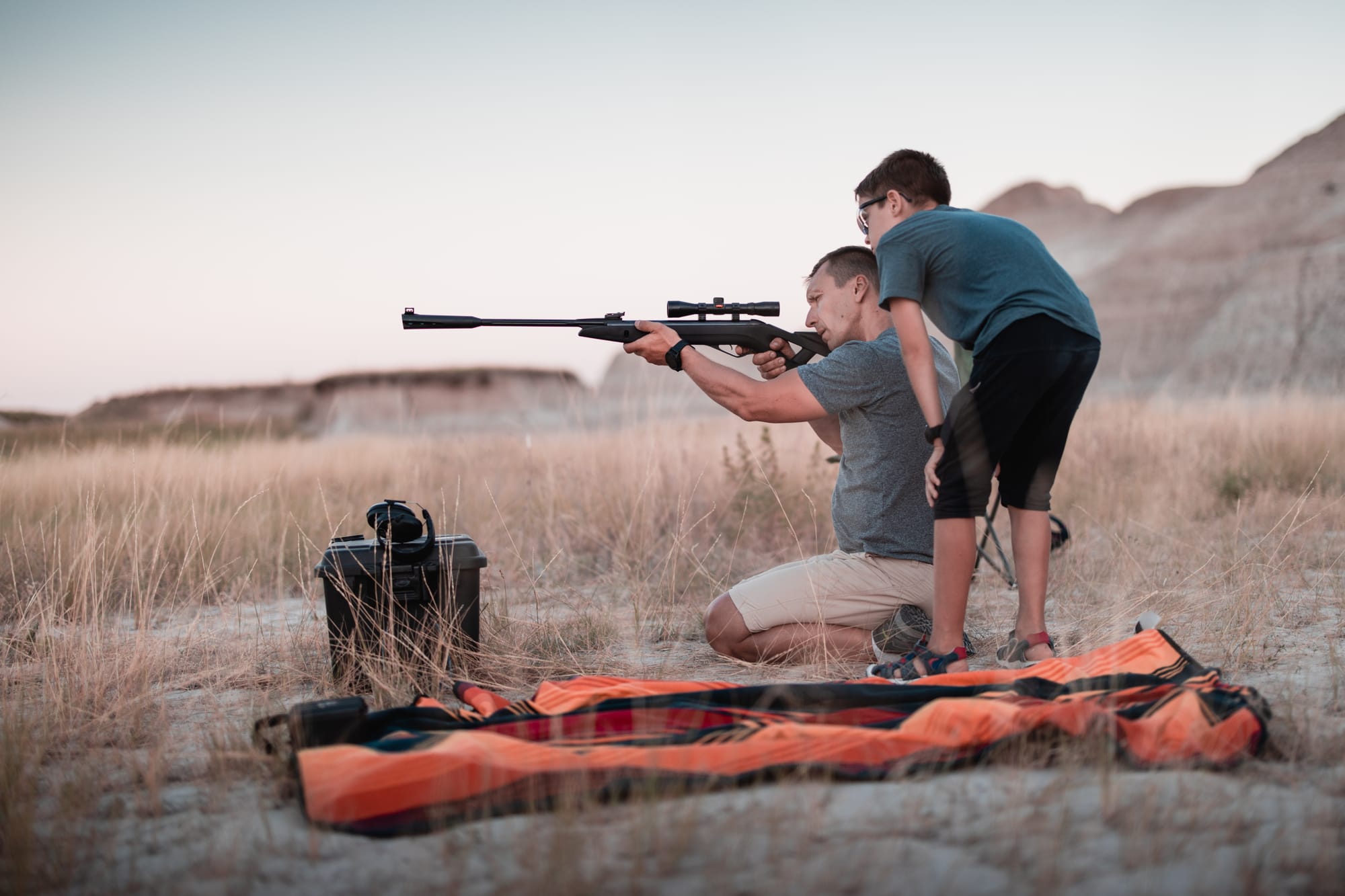
In credit to my group of friends, they researched and planned the first overlanding trip all on their own. Actually, I think Eimis did most of the planning while the rest of them debated bear engagement tactics while downing brews in Dominic's garage. As I've said, the idea is to go remote - off the grid. Bears, I was told, are a suffocating reality in such regions. Come to think of it, bears came up *way* too often in preparations for the trip in context of how many times we've actually encountered them, but I'll come back to that topic.
I am not able to join the guy group on this first trip. First, I've exhausted my "get away from the family for a week" ticket for the year. Those tickets are one in a blue moon and they bear a heavy tax from the missus. Second, I'm generally skeptical of all schemes that my friends bring to my doorstep (to a fault, I know, and I apologize). So they go off on their adventure and post pictures on Instagram while the rest of us hold on for our dear lives through this shit show of a year.
I don't know what finally gets me, but I suppose it's Dominic's storytelling upon return. One does not simply throw around "The best trip of my life". Well, Dominic does, but he seemed genuine this time. You'll start piecing together a trend here with my good friend - much like buffets, supersize cups, trucks, and waistlines in America, Dominic only tells BIG stories. Not insignificant is also the reality that at this point in the year we've been locked down for months - our brilliant Chicago mayor closing parks, playgrounds, and running paths by the lake to save our lives (but not our sanity). So, as expected, I dive headfirst into the outfitting journey to become a member of the celebrated society of overlanders. Also known as "I buy a metric ton of gear from REI" phase of the hobby.
If you want serious advice on overlanding, this article is probably not it. This is just text to frame the pictures I took, so proceed accordingly. There are plenty of resources on the web for building your first kit, but I will say that you should probably divide and conquer in terms of how you distribute responsibilities within your group. For example, I probably should have listened to Dominic when he told me that I shouldn't duplicate all the gear that he already had (strike number two for not listening to other people). The upside is that my field stove is still sparkling clean and my recovery gear is safely recovering in the box that I packed it in. Sigh.
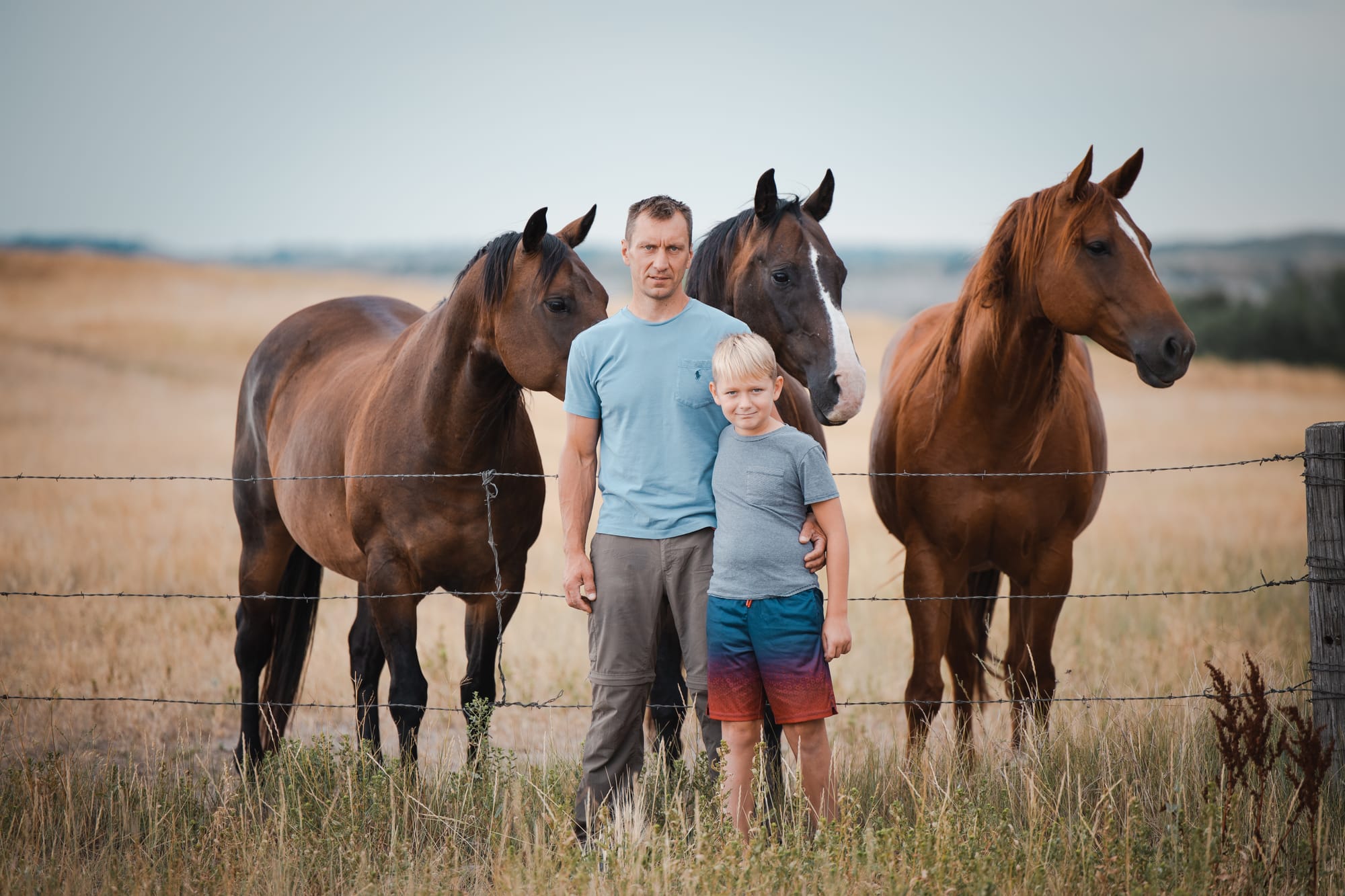
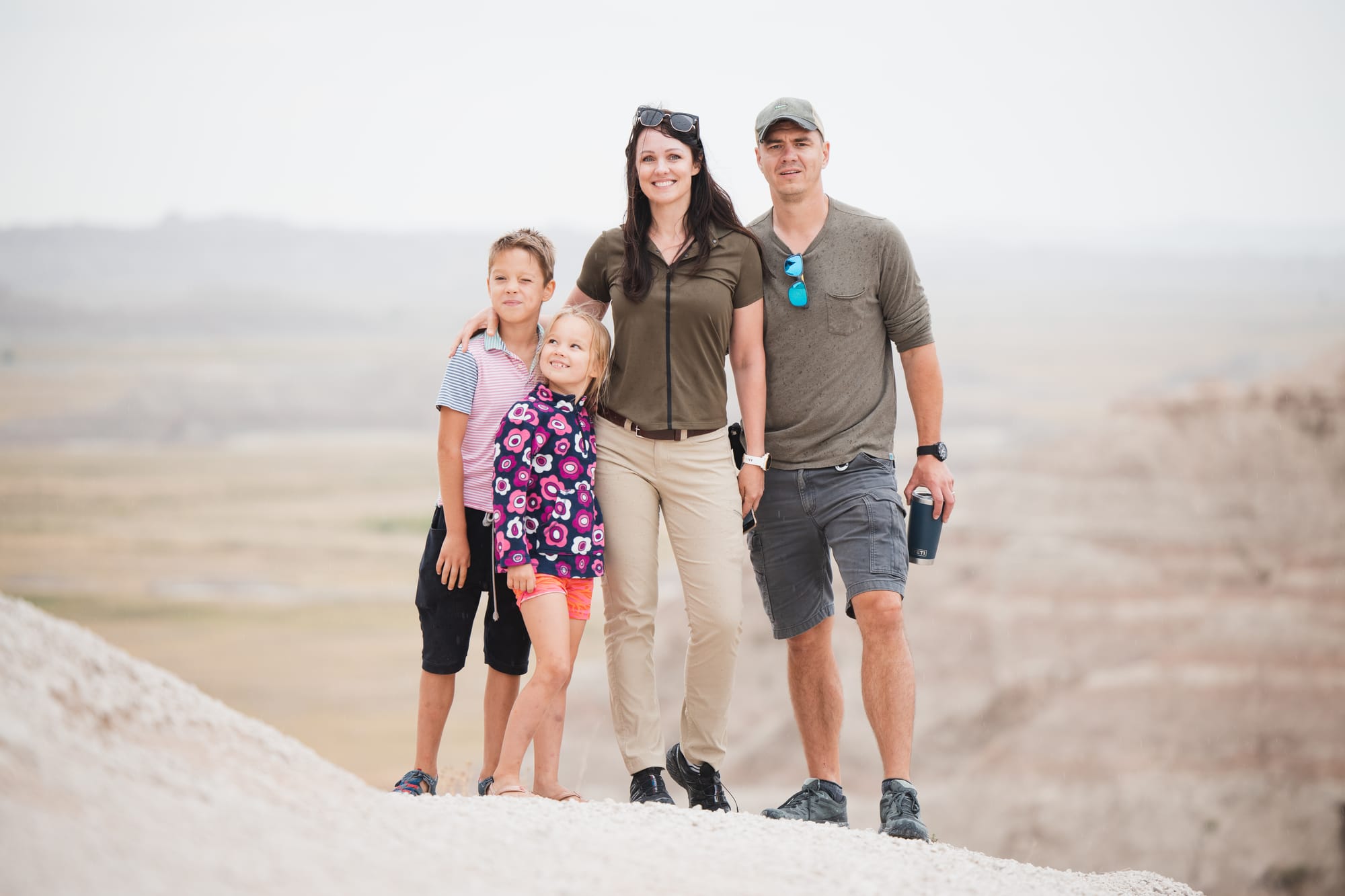
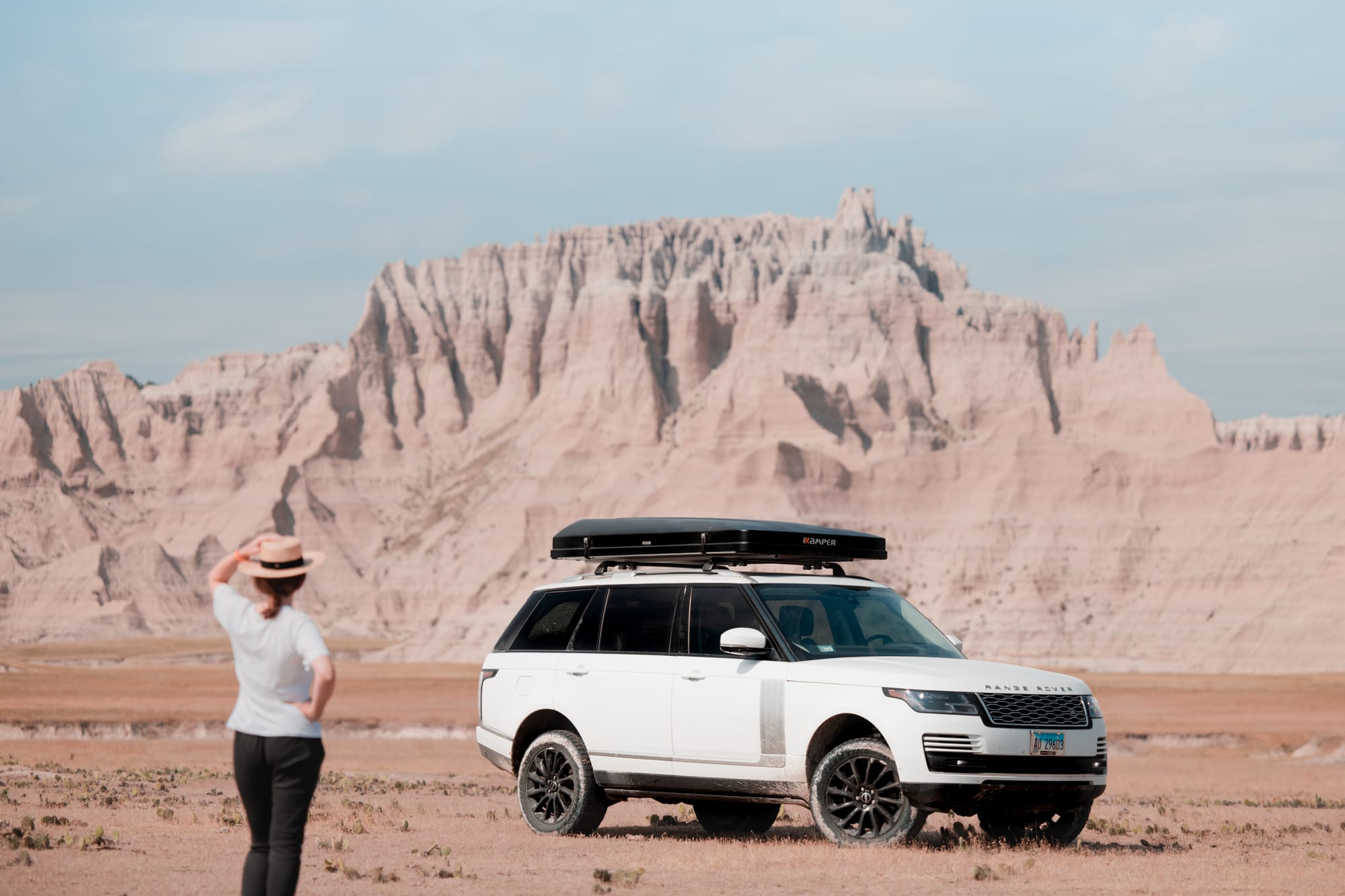
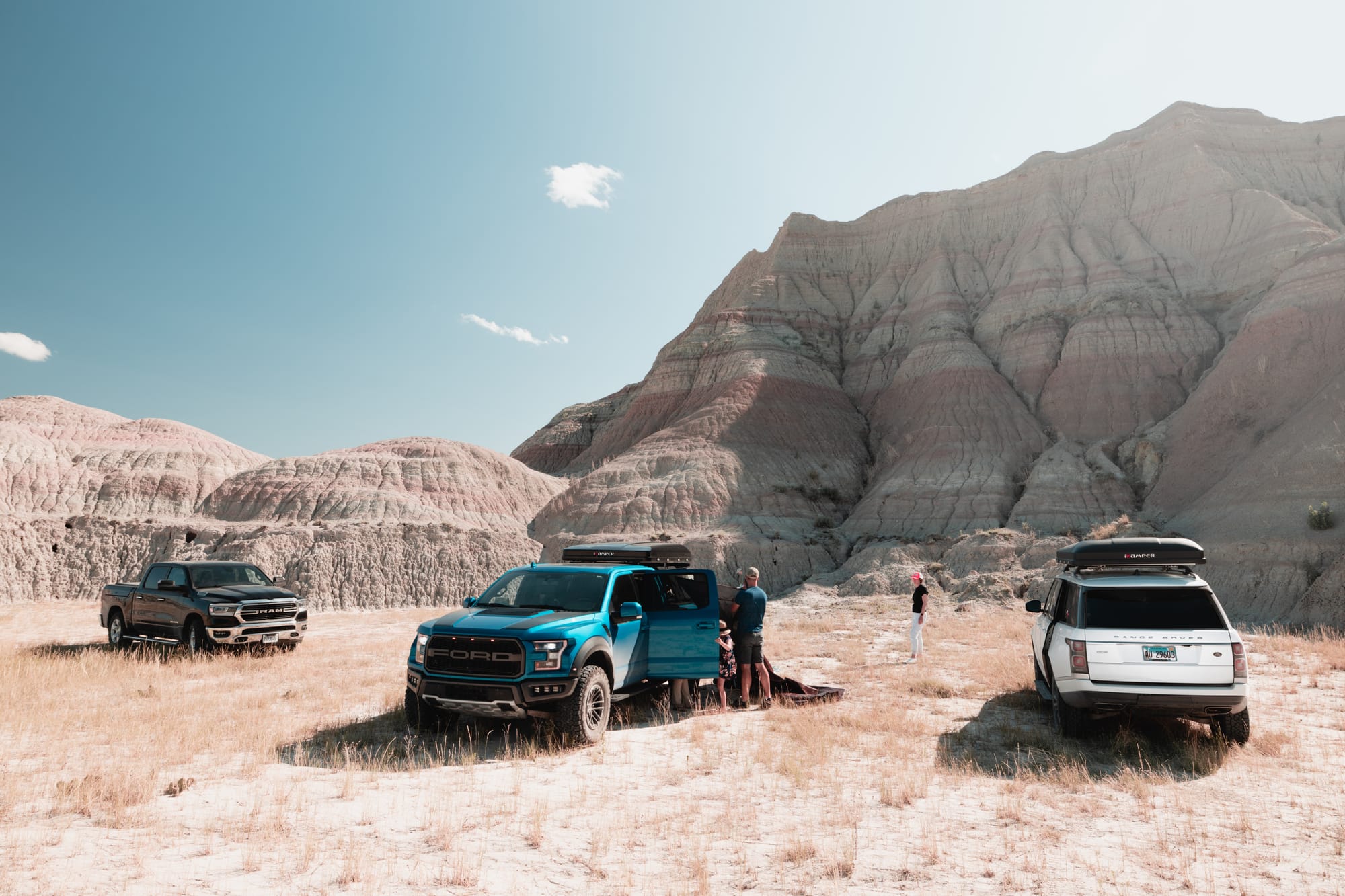
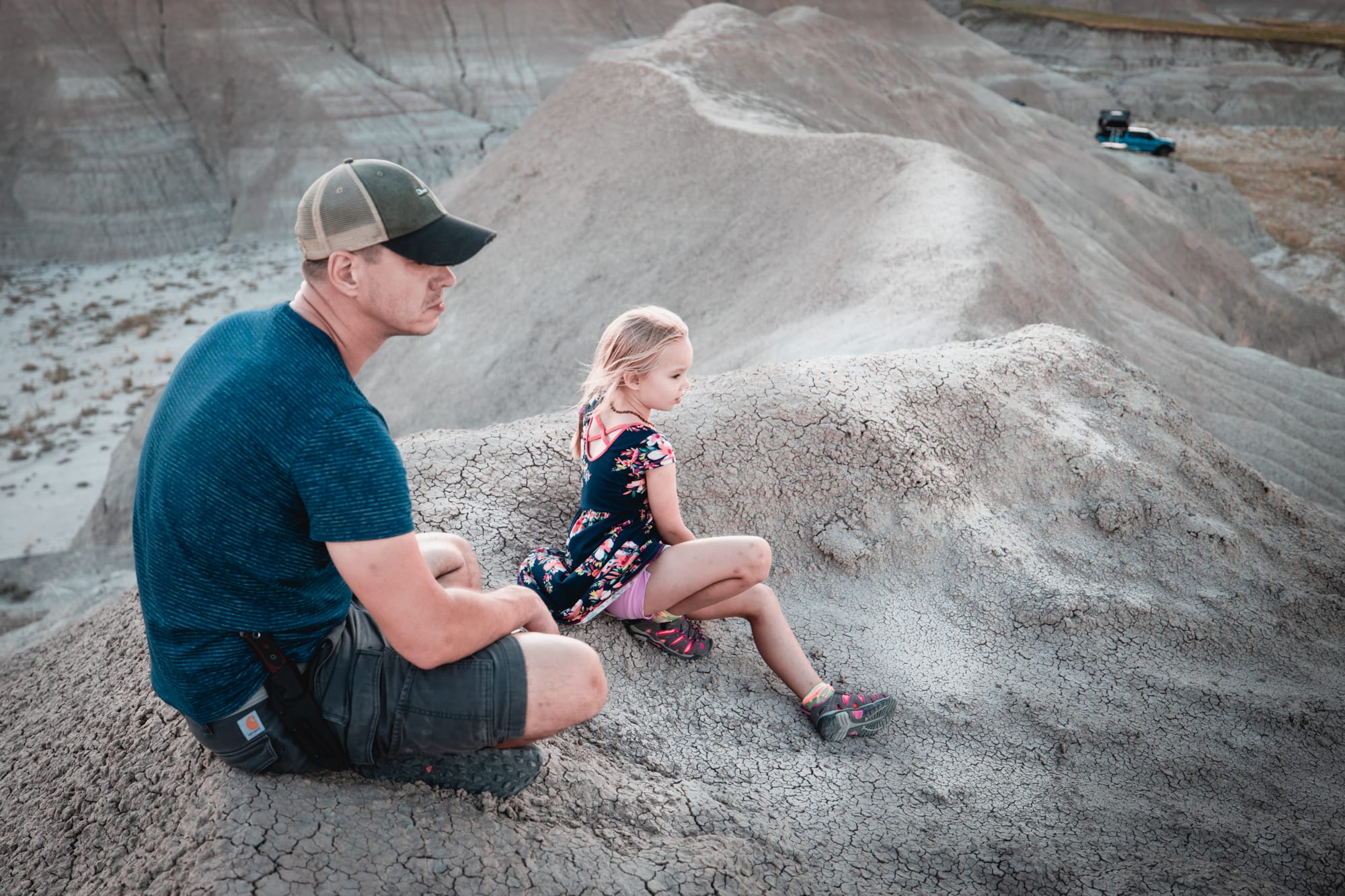
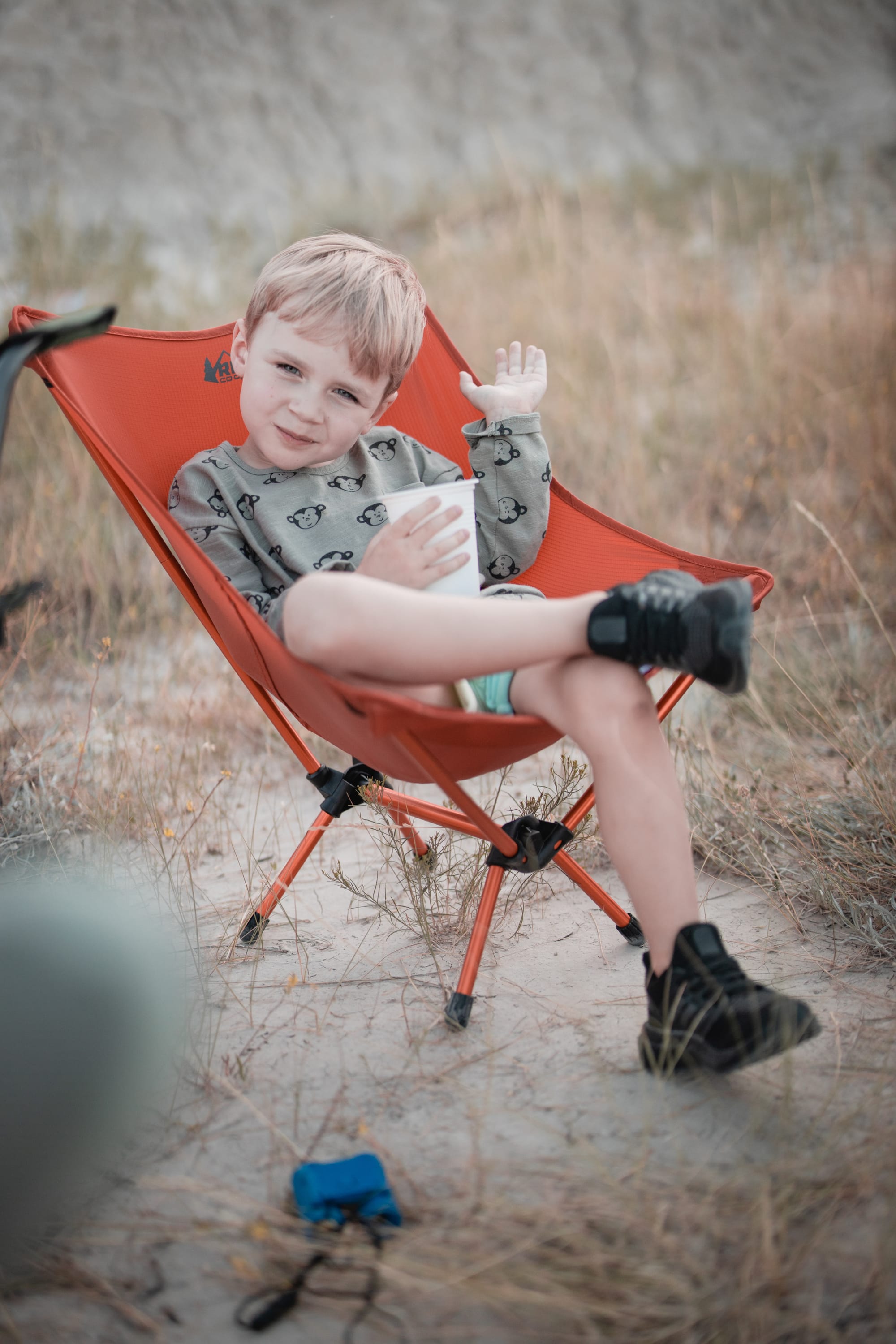
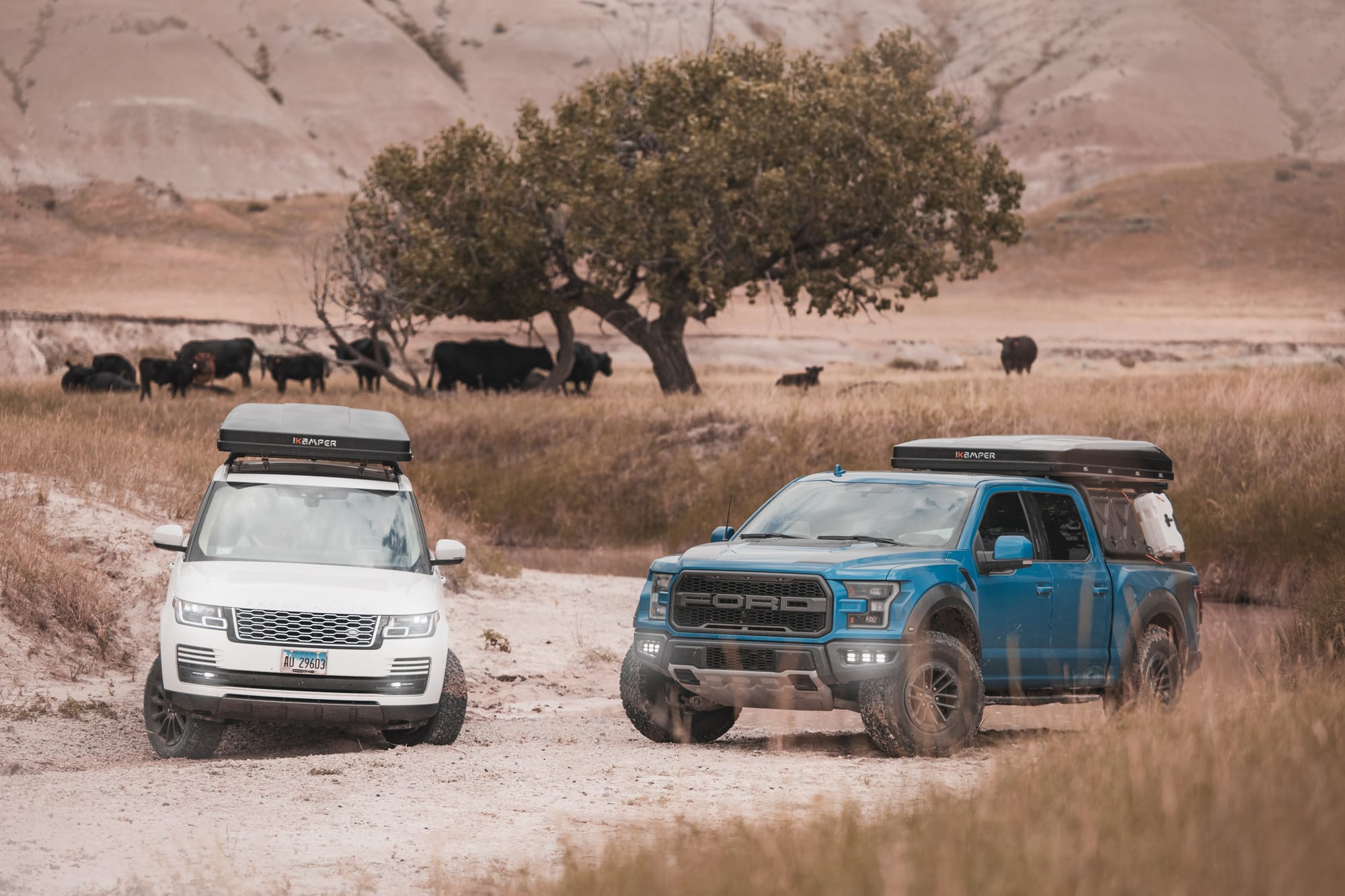
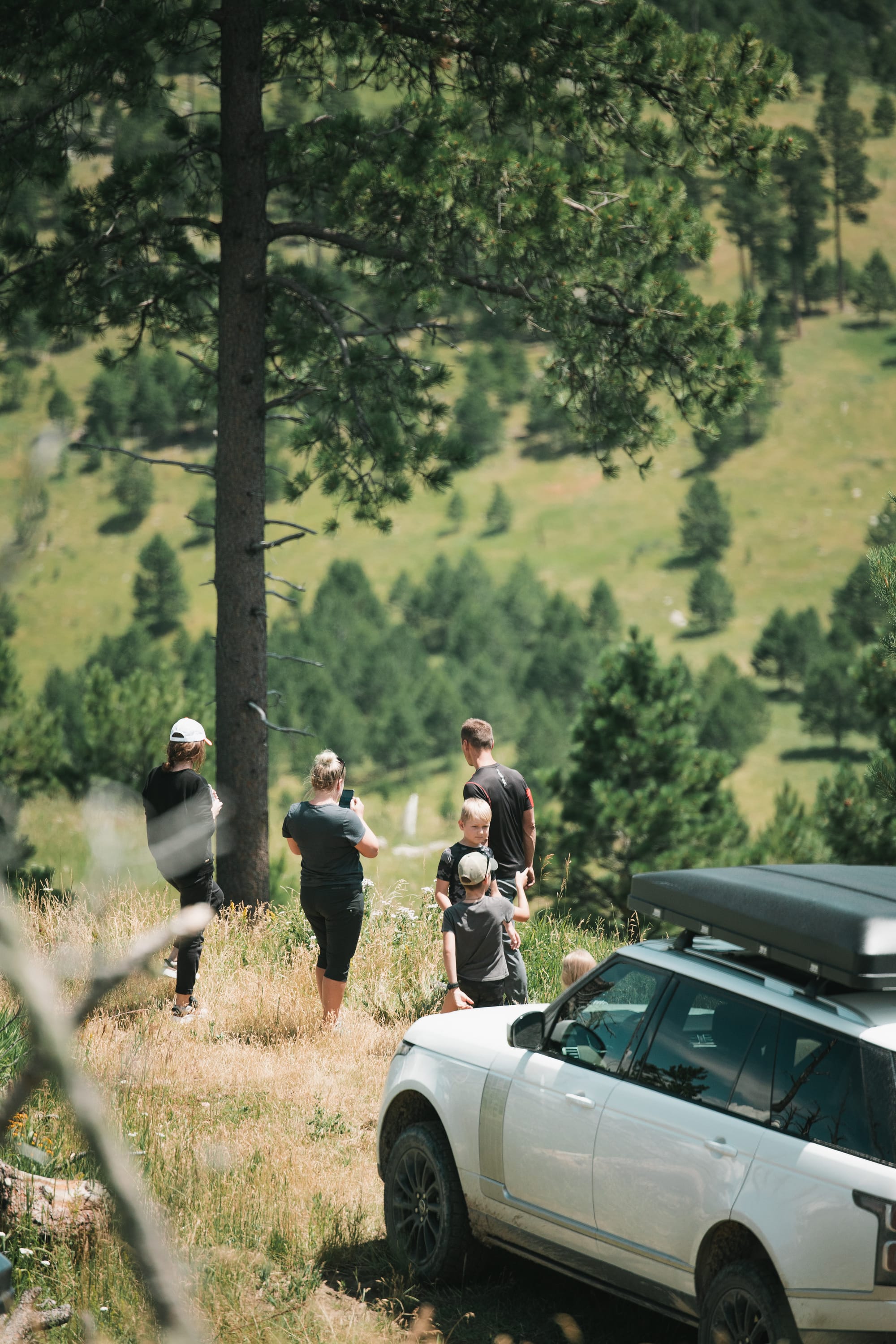
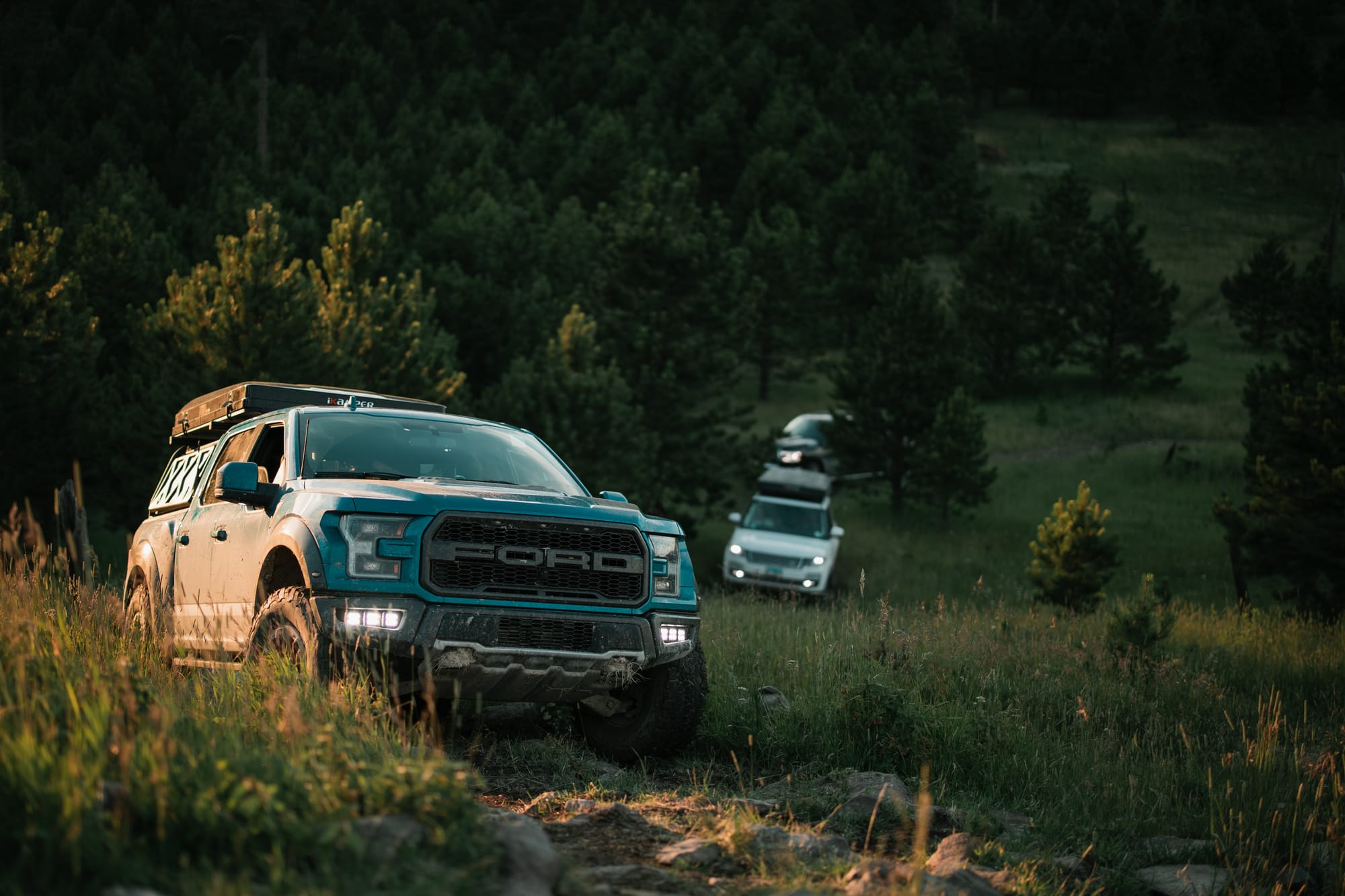
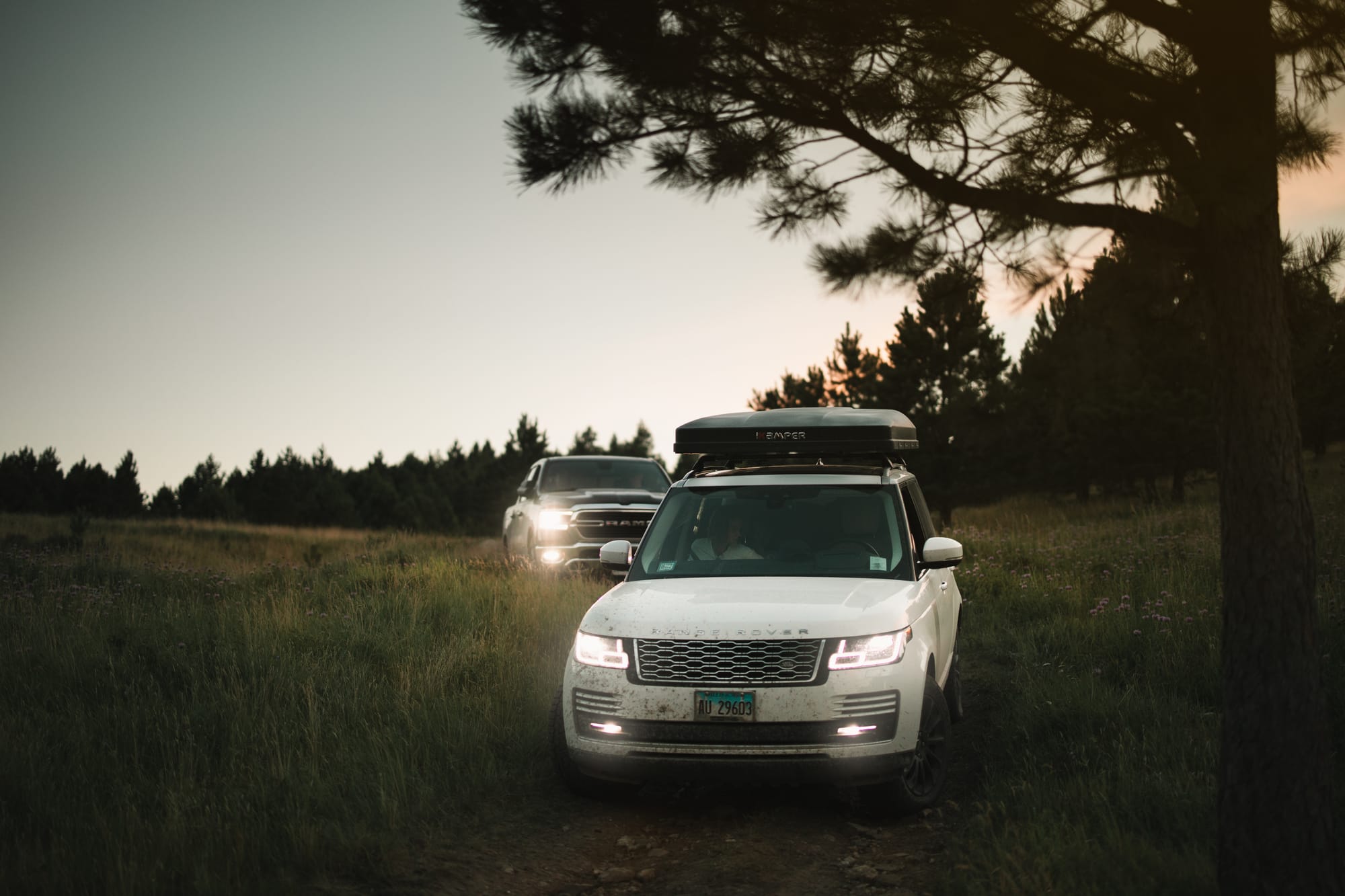
The crew identified for this second trip consists of six adults and four kids. Three families, three vehicles. My sister-in-law Viktorija, her husband Vaidas, and son Jacob are in the Dodge Ram. Due to the pesky pandemic, their rooftop tent and rack are late to arrive and so they're slummin' it in a regular tent with snakes and other earthly critters. Dominic and his family are in the most apocalyptic of the vehicles - the Ford F150 Raptor, which, unlike the Jurassic predecessor, has been feasting at the American buffet - it's the largest and widest of all three. Because I don't have a choice and because I'm a skilled negotiator and sales person, we're in Virginija's white Range Rover, which, to date, has had extensive off-road experience bringing Ashton to school and picking up groceries at the Lincoln Park Whole Foods. The luxury land yacht gets a set of all terrain tires and factory roof rails are installed to house the iKamper tent. Virginija's female intuition rightfully warns her the trip will leave a mark on her precious SUV, but the wild calls and we set out.
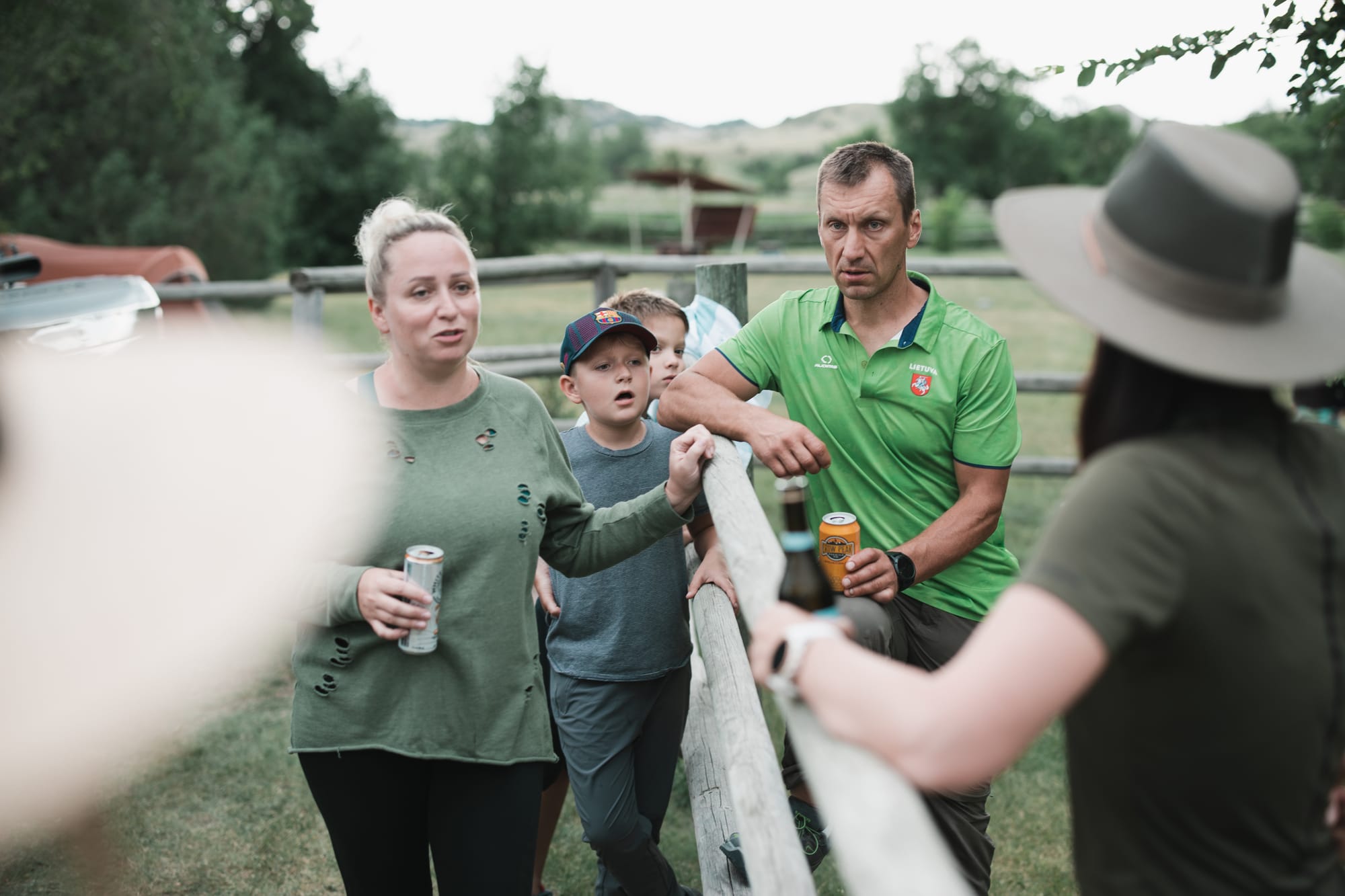
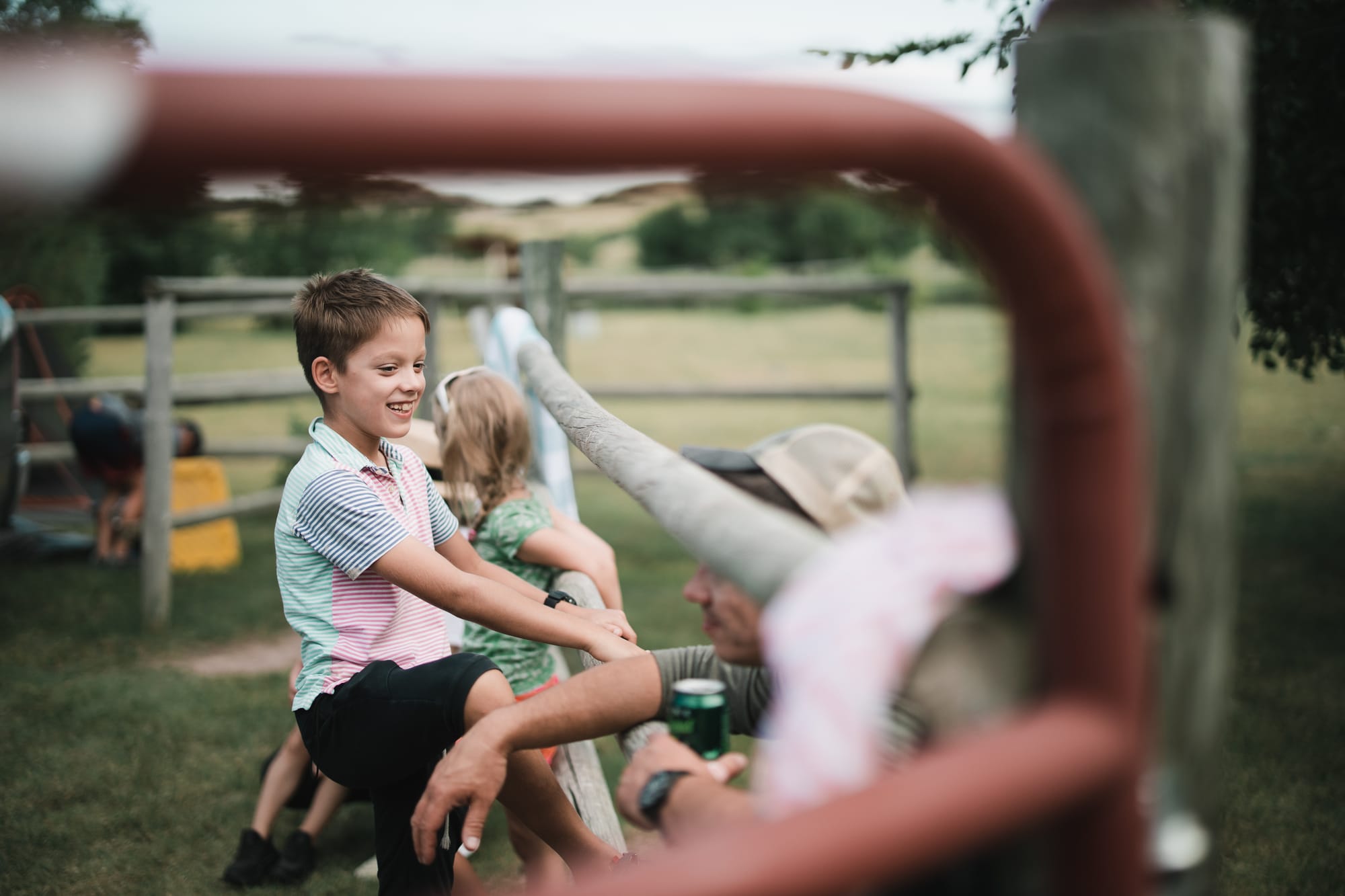
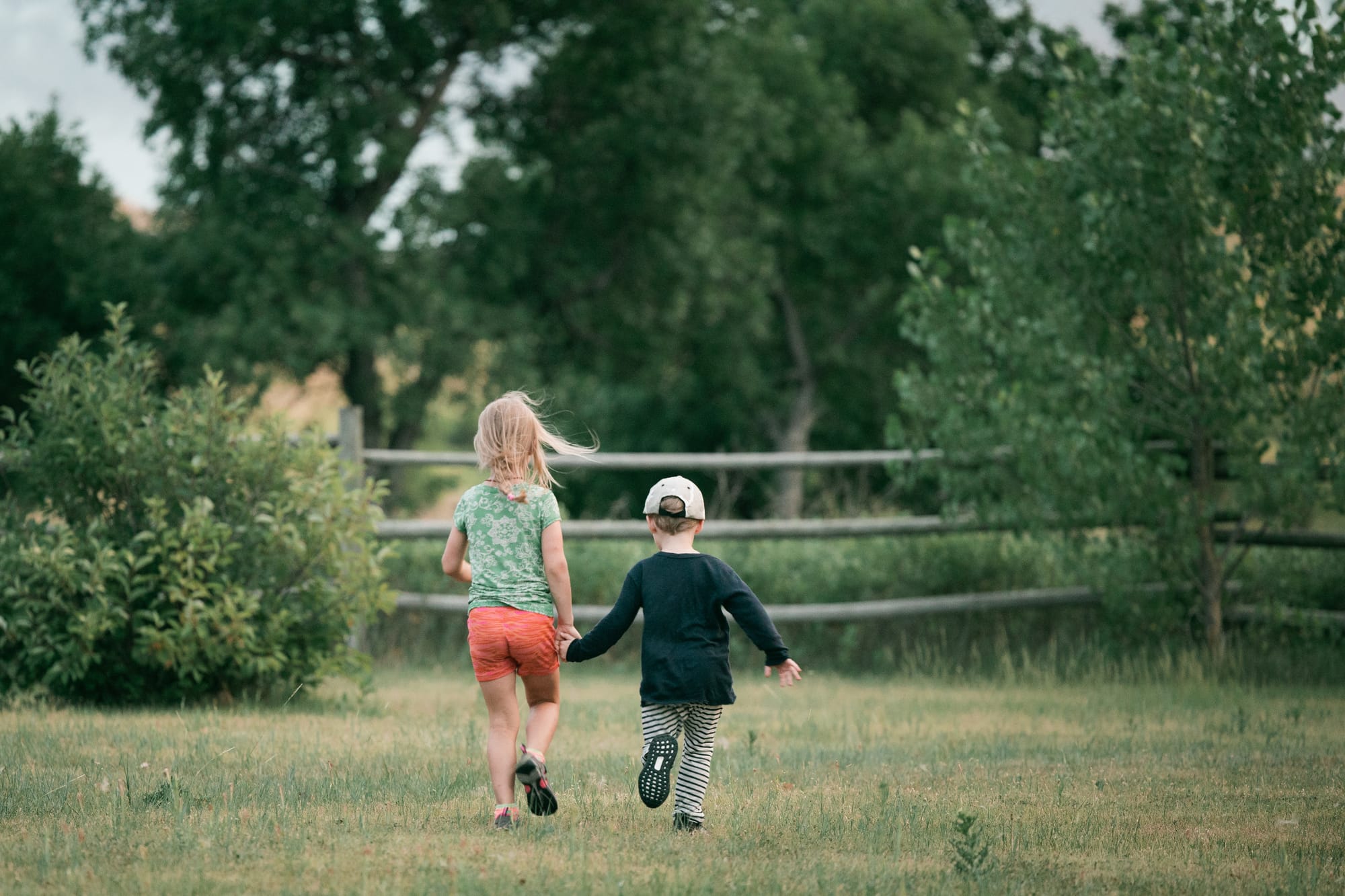
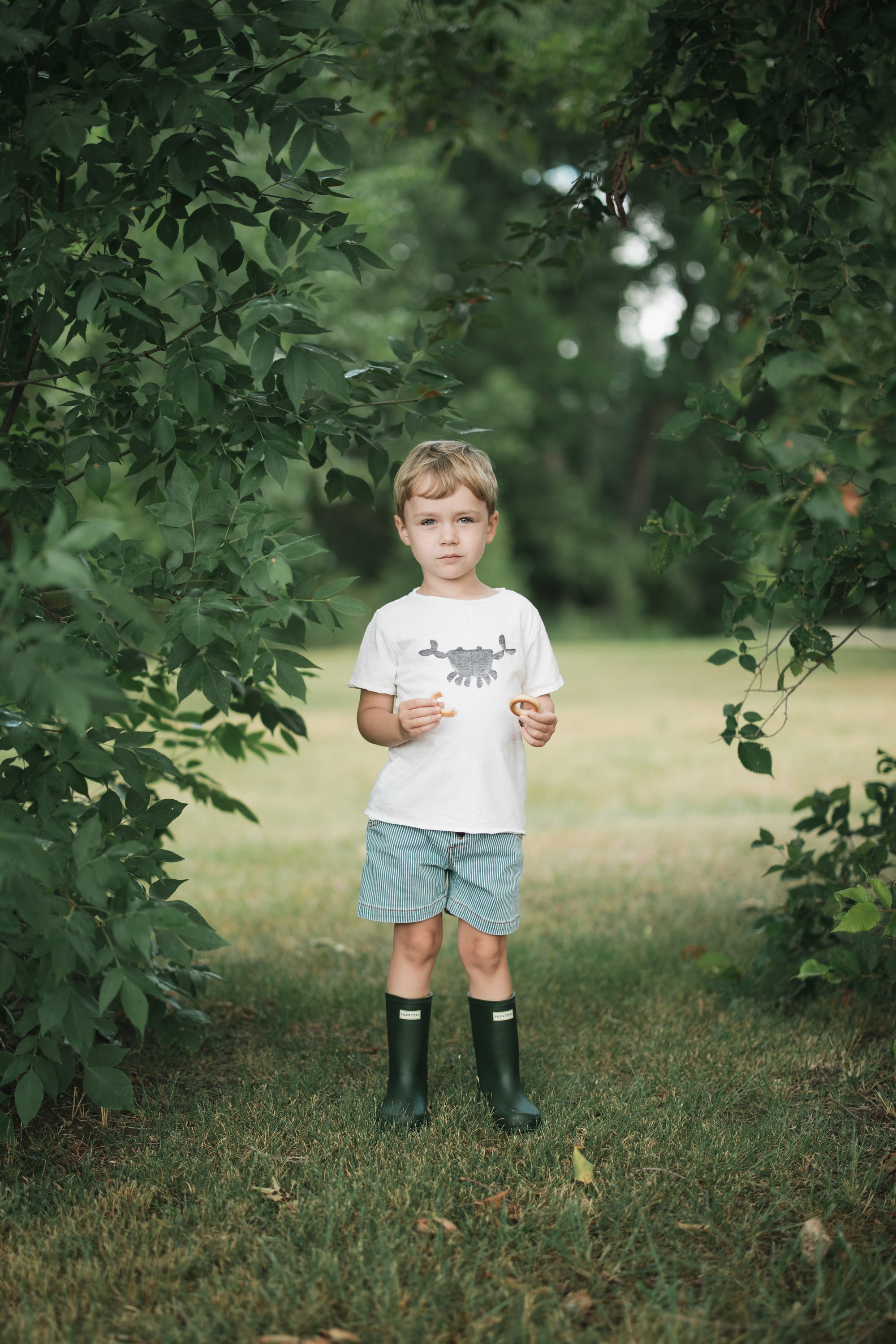
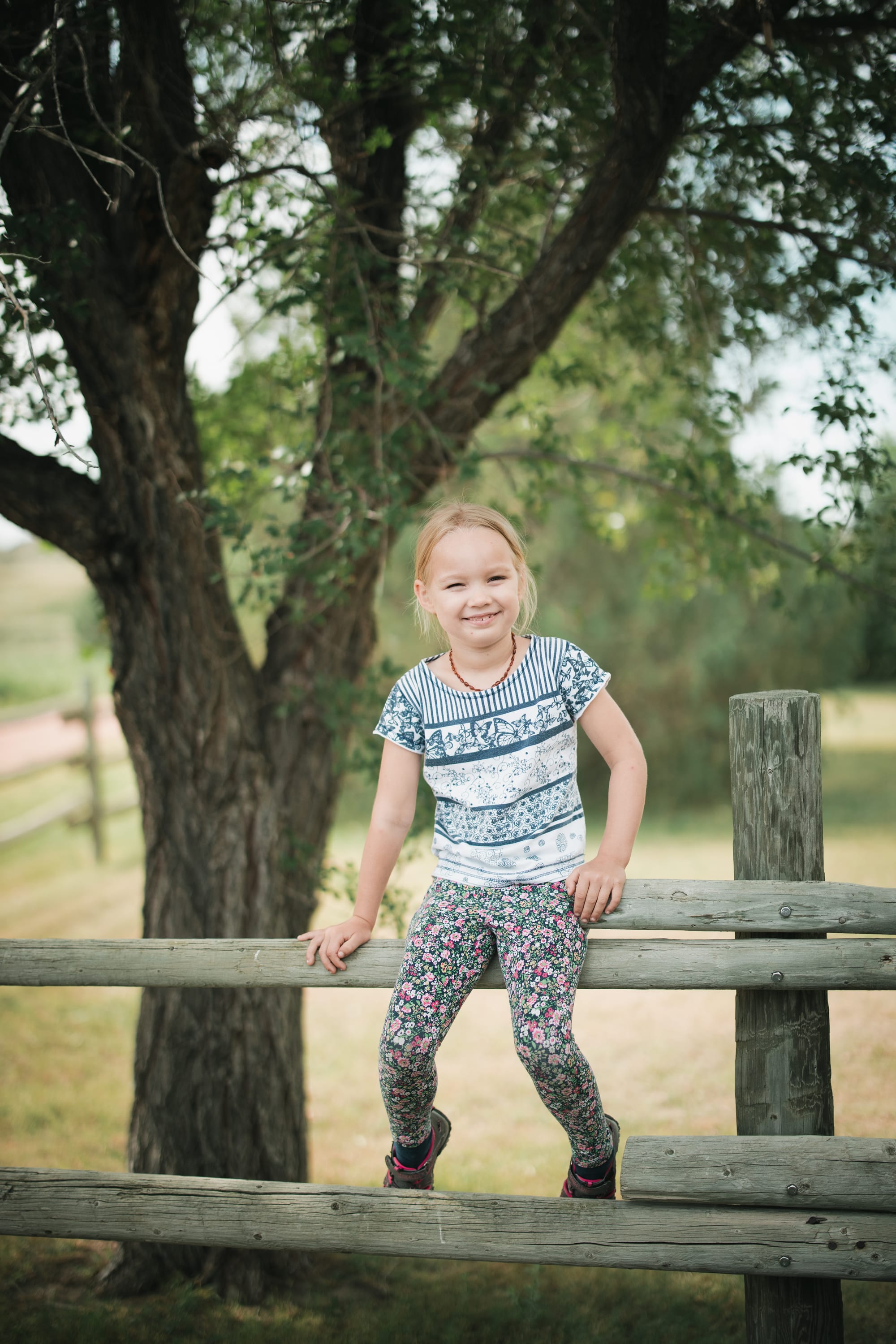
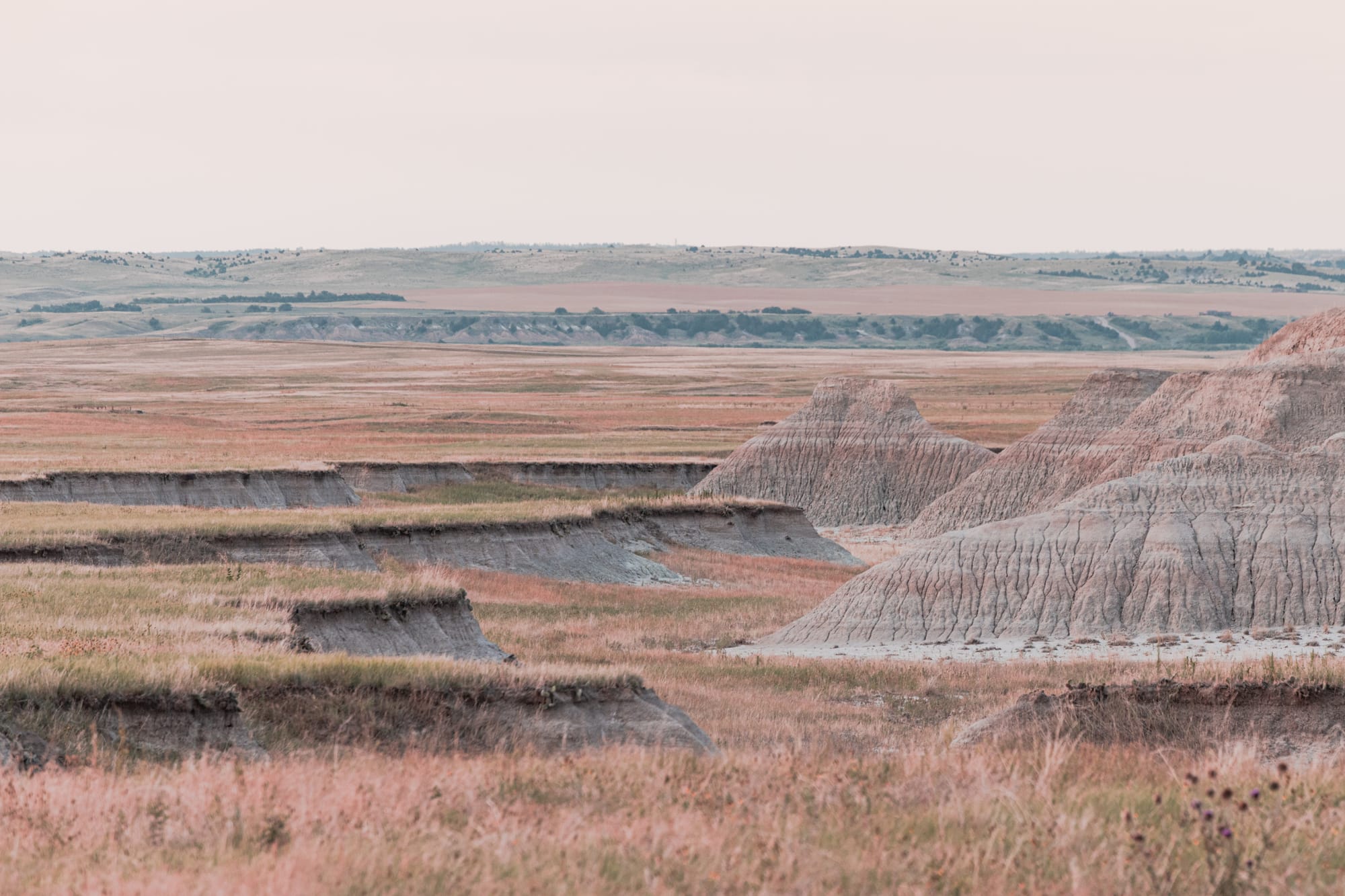
The journey starts in Chicago and it's going to take us a few days to reach topography worthy of all terrain vehicles. You can thank your local neighborhood glacier for making the midwest so vanilla - great for growing corn, torturous for the modern nomad. We sail through the land of cheese and cross the Mississippi at La Crosse. Pro-tip: there's a great rest stop off of 90 just as you cross the bridge and enter Minnesota with a breathtaking view of the river. With wind at our backs we traverse the tantalizing midwestern landscape and settle for the night within an hour of Sioux Falls at a nondescript roadside hotel. We are eager to go to sleep - guide and director of excitement Dominic informs us that tomorrow we leave the highway and chart our way through Badlands of South Dakota. Finally a locale name befitting the narrative!
Before I subject myself to ridicule and describe a rather shameful event in my automotive history, I do have to build up the necessary context. Photography is a very dear hobby of mine and I've been anticipating the documentation of this trip for months. Much like the protagonist of a 90's action movie, I've been polishing my lenses, charging my batteries, and reorganizing my camera bag so that I could draw and shoot at the decisive moment.
The caravan is ready to depart, I jump into the Range Rover and pull out of the station. A loud snap and vibration through the chassis reminds me that fuel pumps don't automatically retract their nozzles upon shutting off. I jump out and watch in horror as gasoline sprays out of a severed artery, the amputated limb wriggling on the ground next to my vehicle. It's a biblical scene and I'm Michael the Archangel, having banished the evil serpent... Luckily, a fuel pump designer somewhere in Texas anticipated expert overlanders to get excited at unfortunate times and built in a pump failsafe. Shellshocked, embarrassed, and conscious of potentially causing a massive accident I pick up the now lifeless limb and head inside the gas station with evidence of my atrocities. The attendant rolls her eyes and, obviously not for the first time, says "I'll call the guy, just leave it here". I exit meekly, wishing for powers of invisibility with all of my essence. I am ridiculed over shortwave radio for the next five hundred miles.
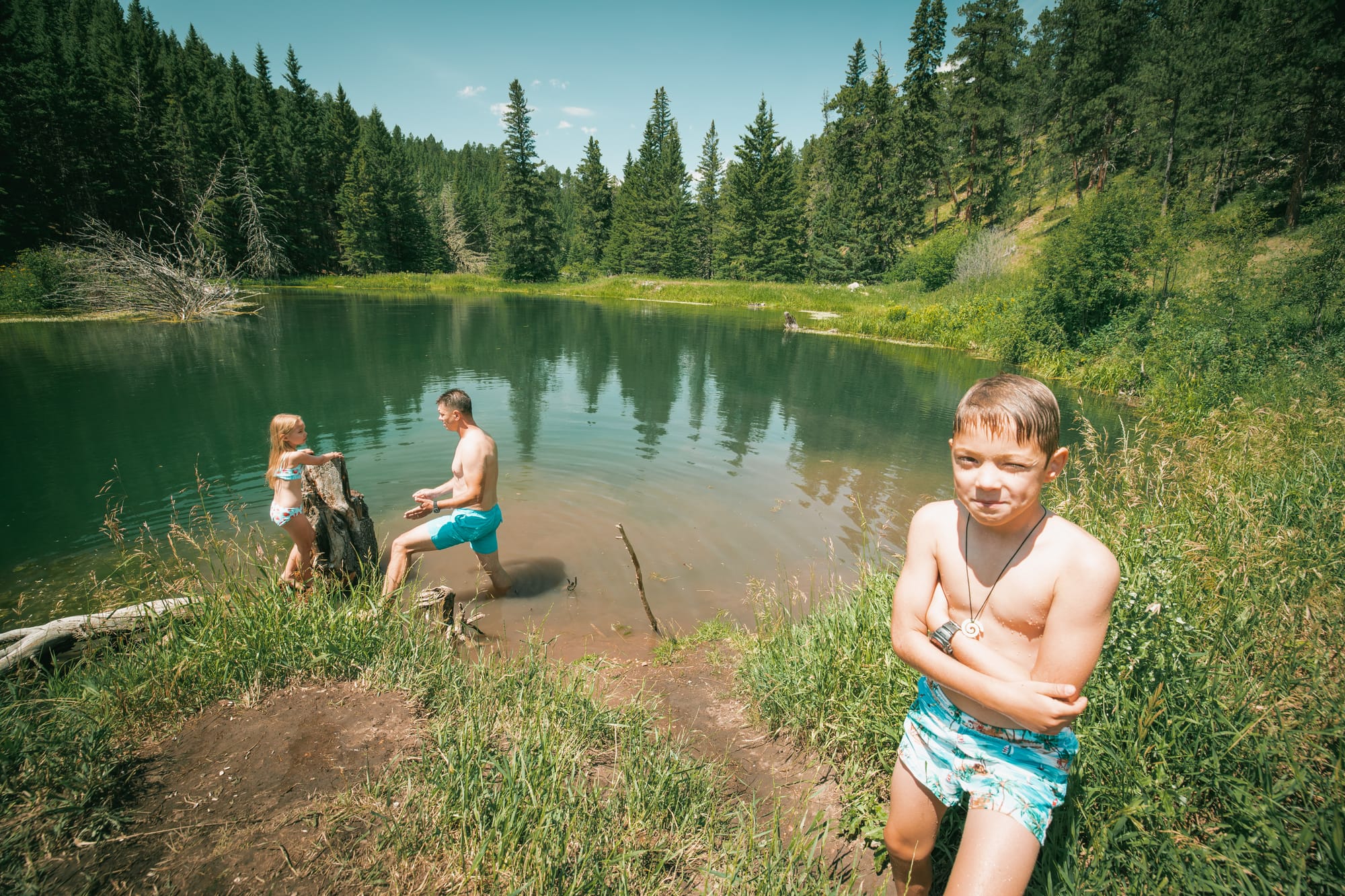
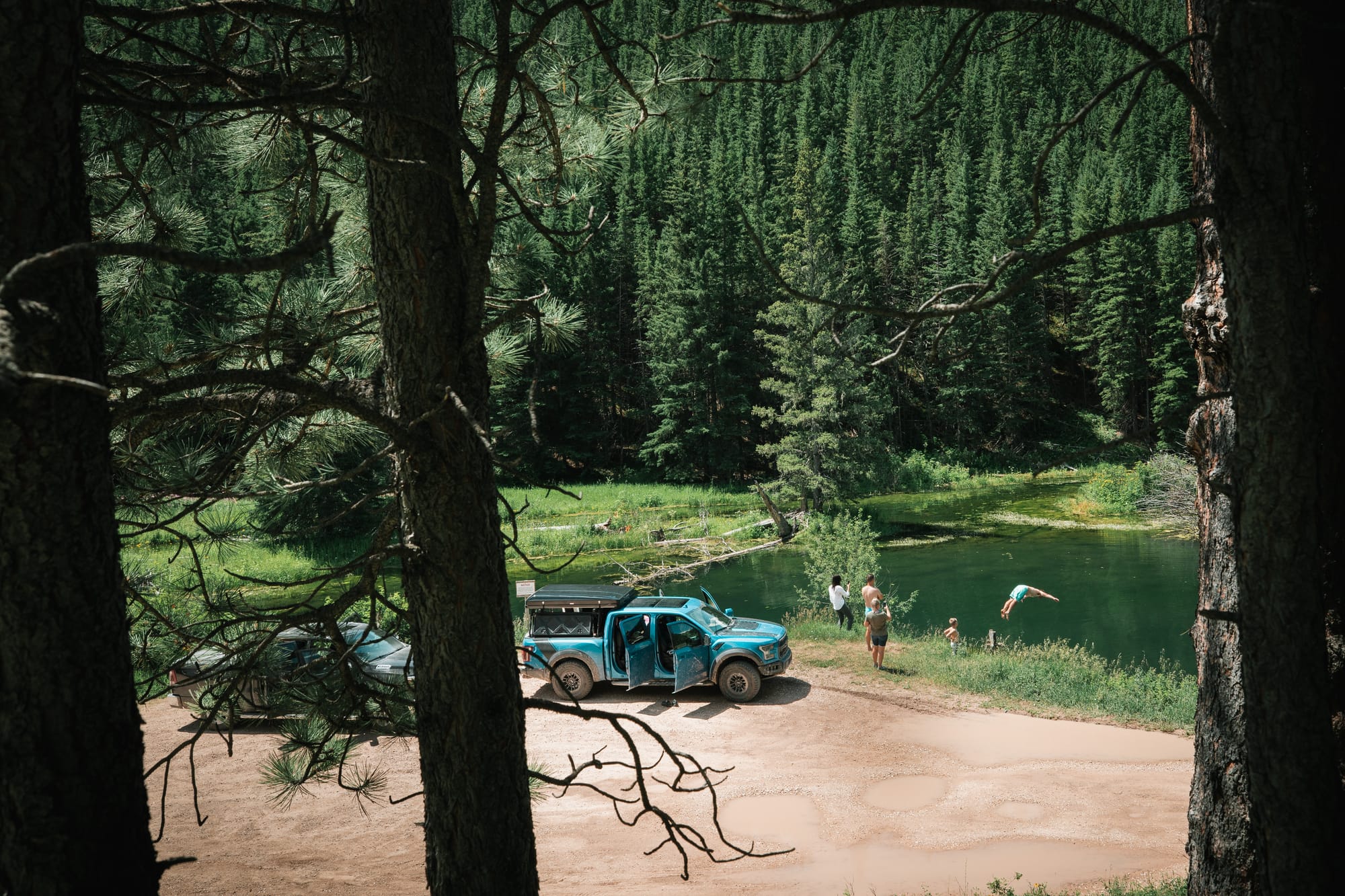
Crossing into Wyoming. Finding an ice cold mountain lake and proceeding to test the waters. Even in direct 80F+ sunlight it takes a while for Julius to warm up after the jump.
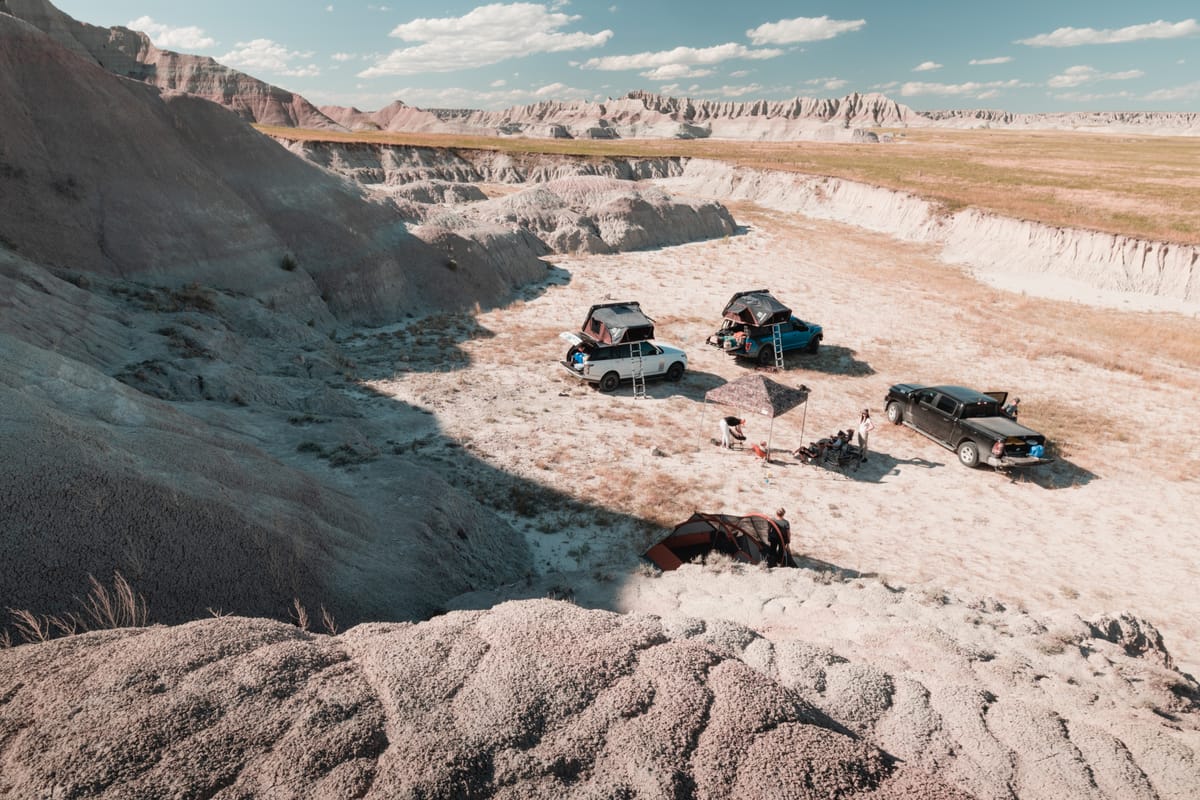
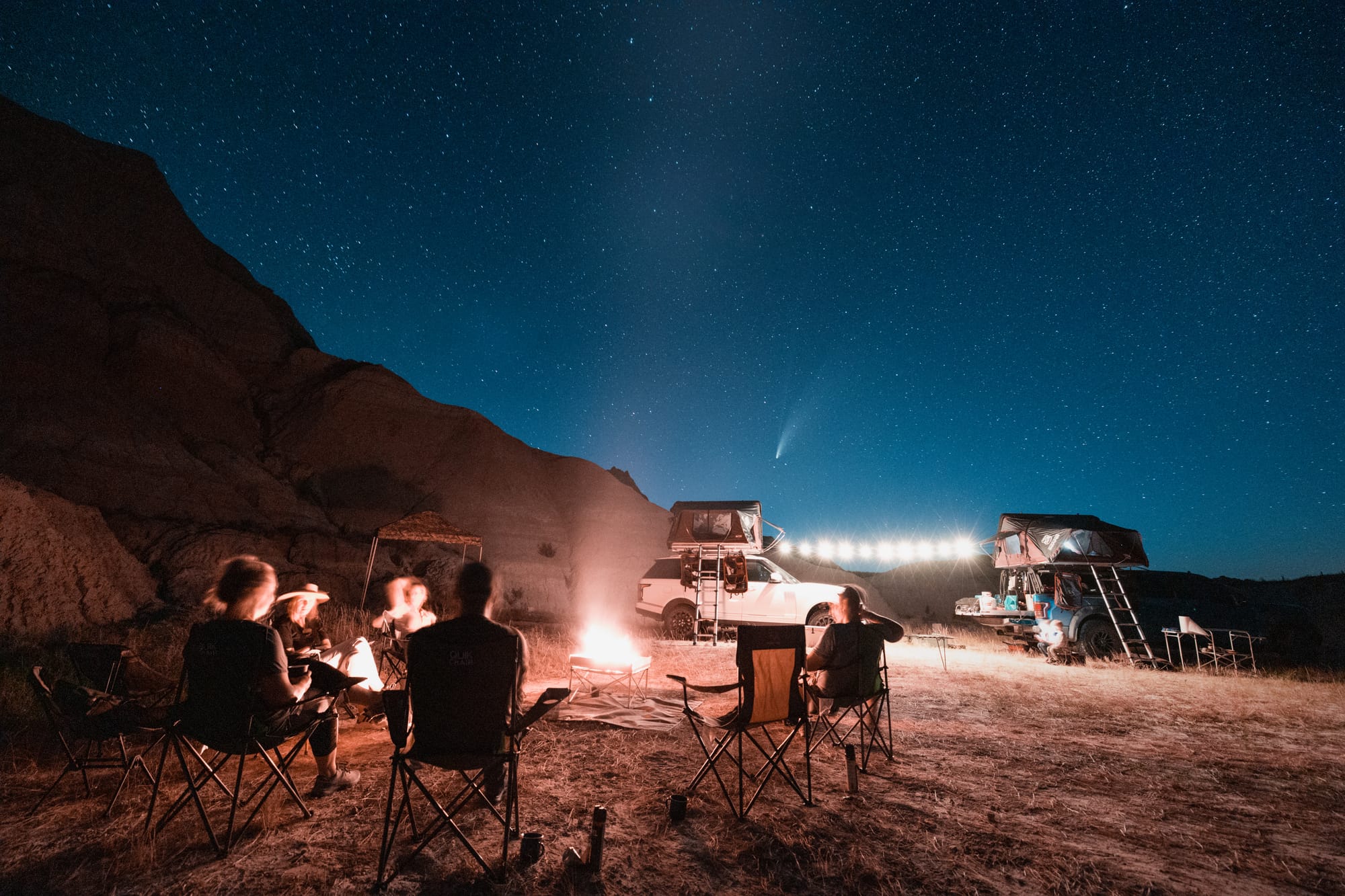
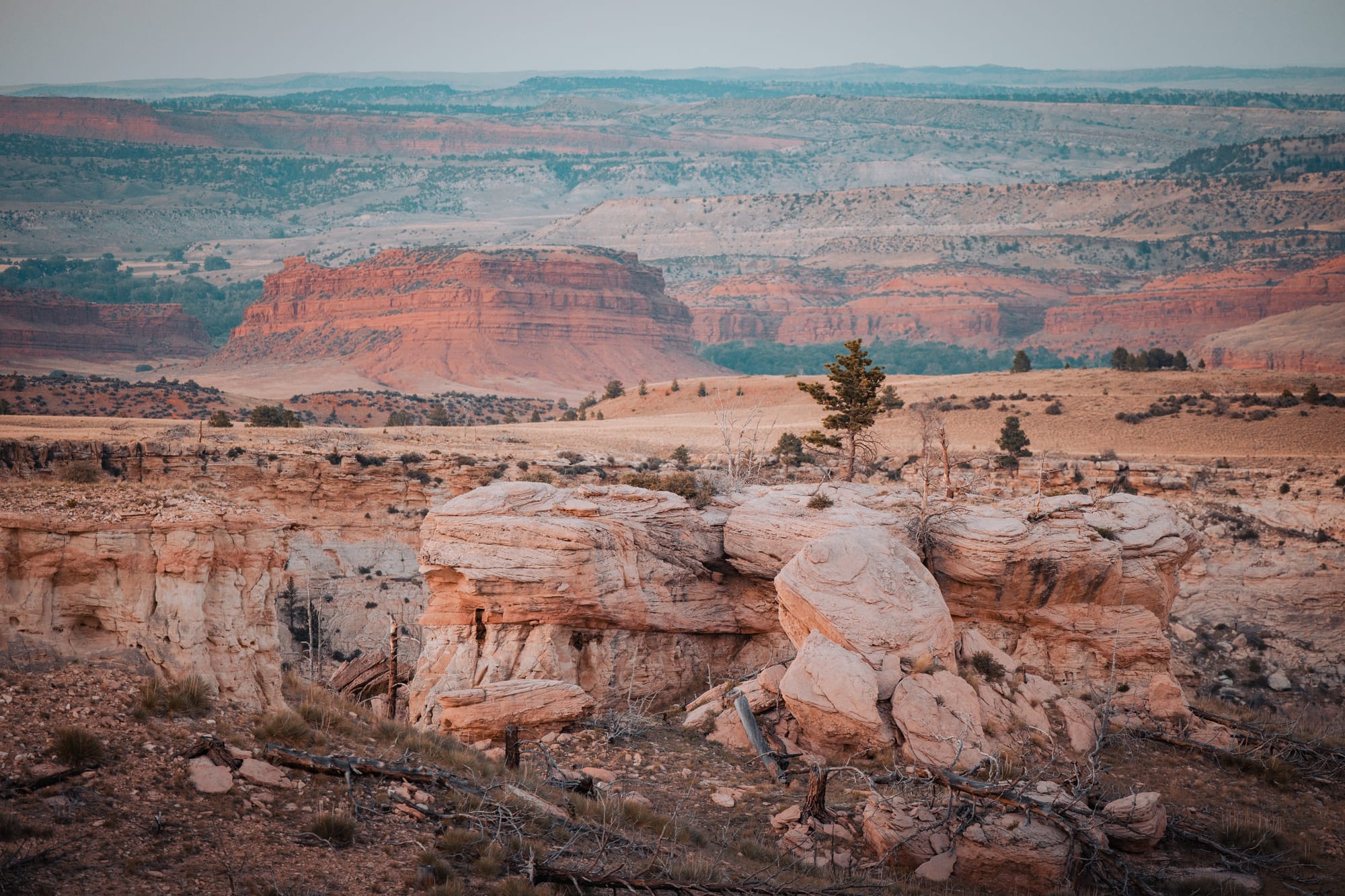
From highways to local roads, from local roads to unpaved trails, we are finally off road. The procession creeps at twenty miles an hour through sandy grasslands towards a remote campsite scouted out by our predecessors using GaiaGPS. This may be a good time to break down how dispersed camping works as, technically, it's not a campsite at all. Most of the undeveloped land in the United States is privately owned and proprietors frown upon uninvited guests, unless you're a raccoon. There are also patches of Federal land, owned by the government, these include National Forests and National Parks, that can be accessed by travelers. National Parks are typically pristine, gated areas where the preservation of the ecosystem is of utmost importance. You can camp at designated camp sites within a National Park, but those are in astronomical demand (thank COVID for that one) and are a bit too "civilized" for our tastes. The preferred alternative is dispersed camping, usually permitted in National Forests, which roughly translate to "if you can get there, you can stay there all by your solitary self". Overnight permits, open fire allowance, and other variables are at play, so I recommend you check the National Forest website prior to erecting your primitive fortress. You should also practice leaving the site in a better condition than you found it in.
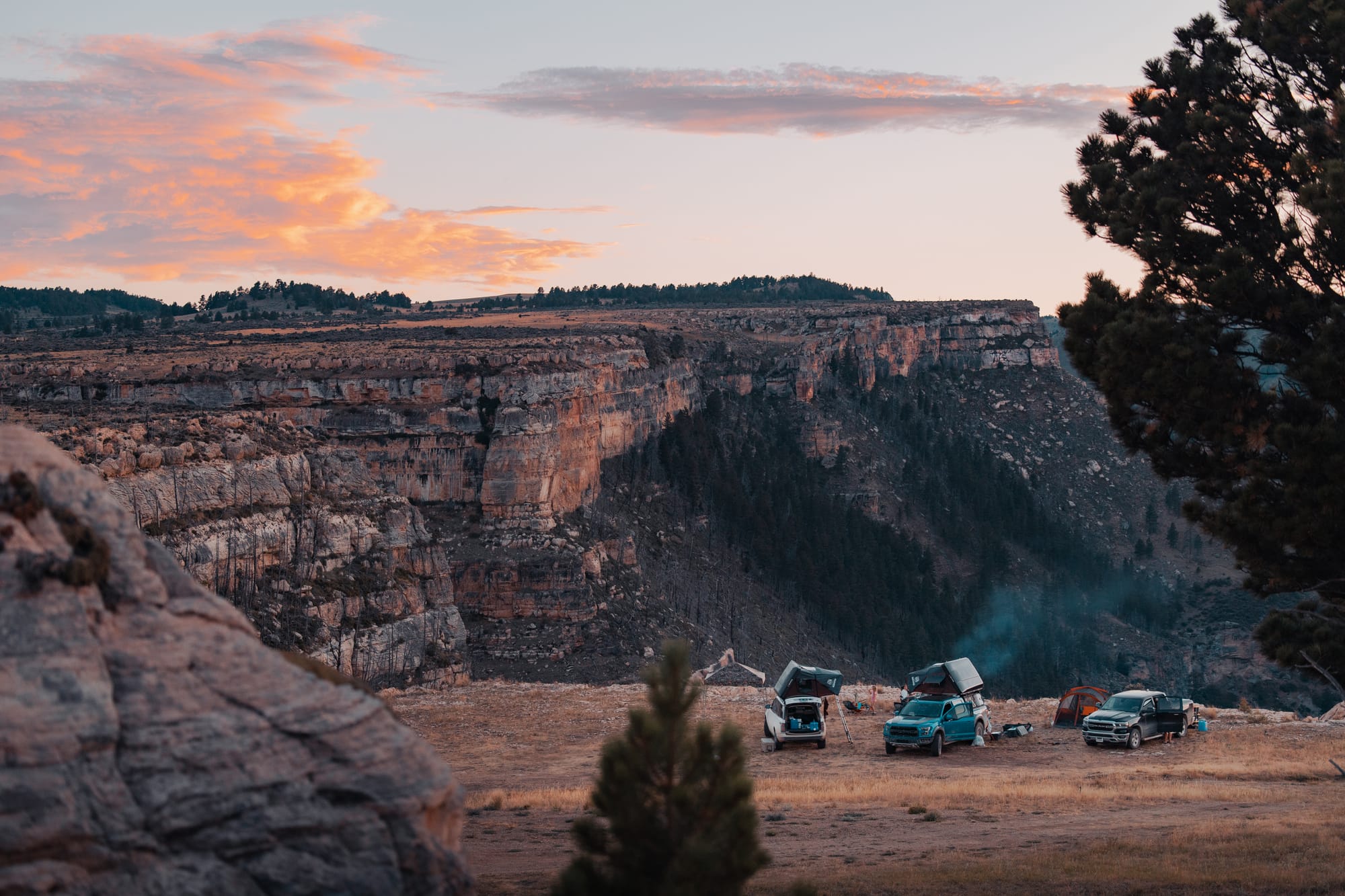
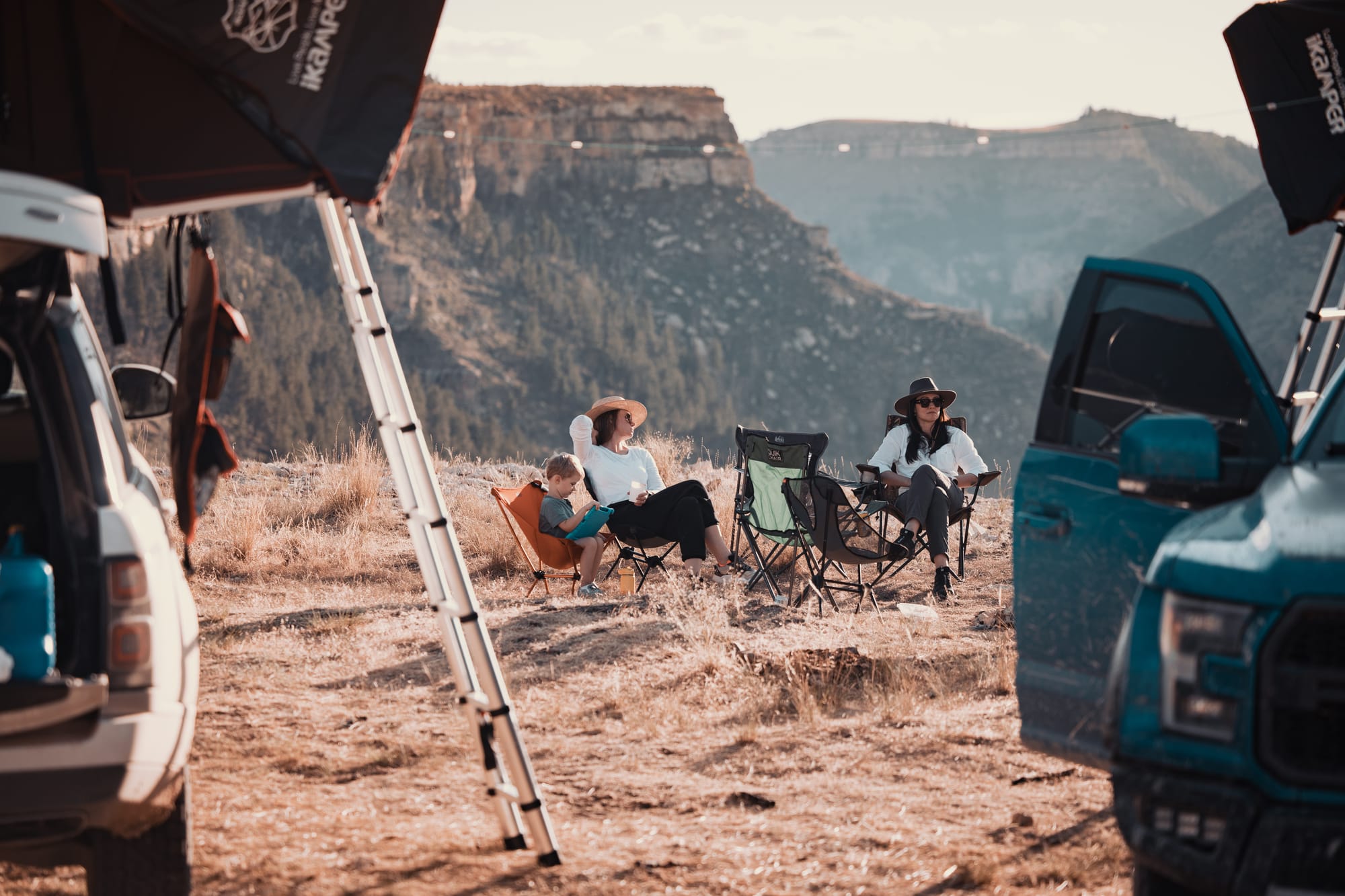
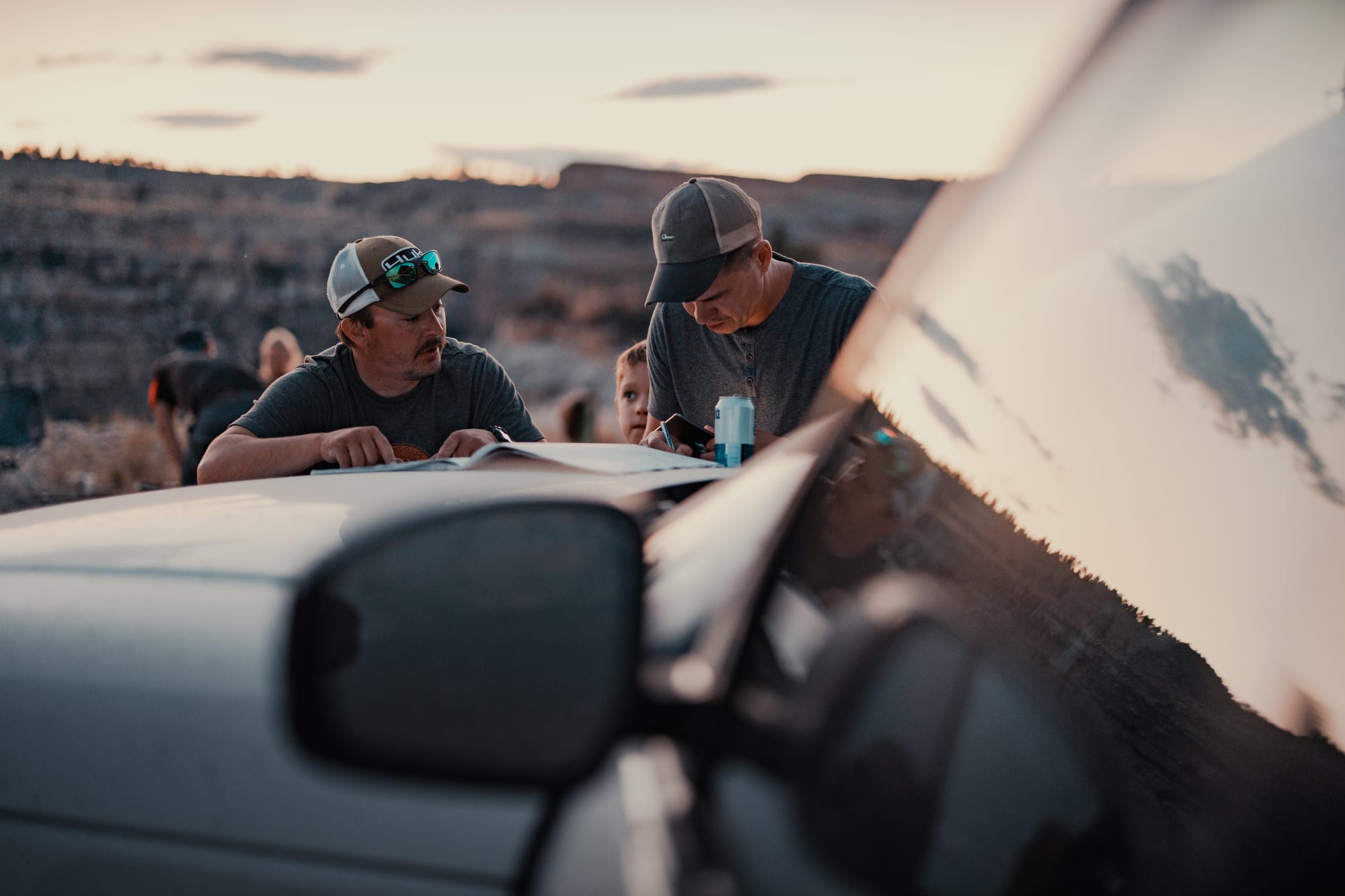
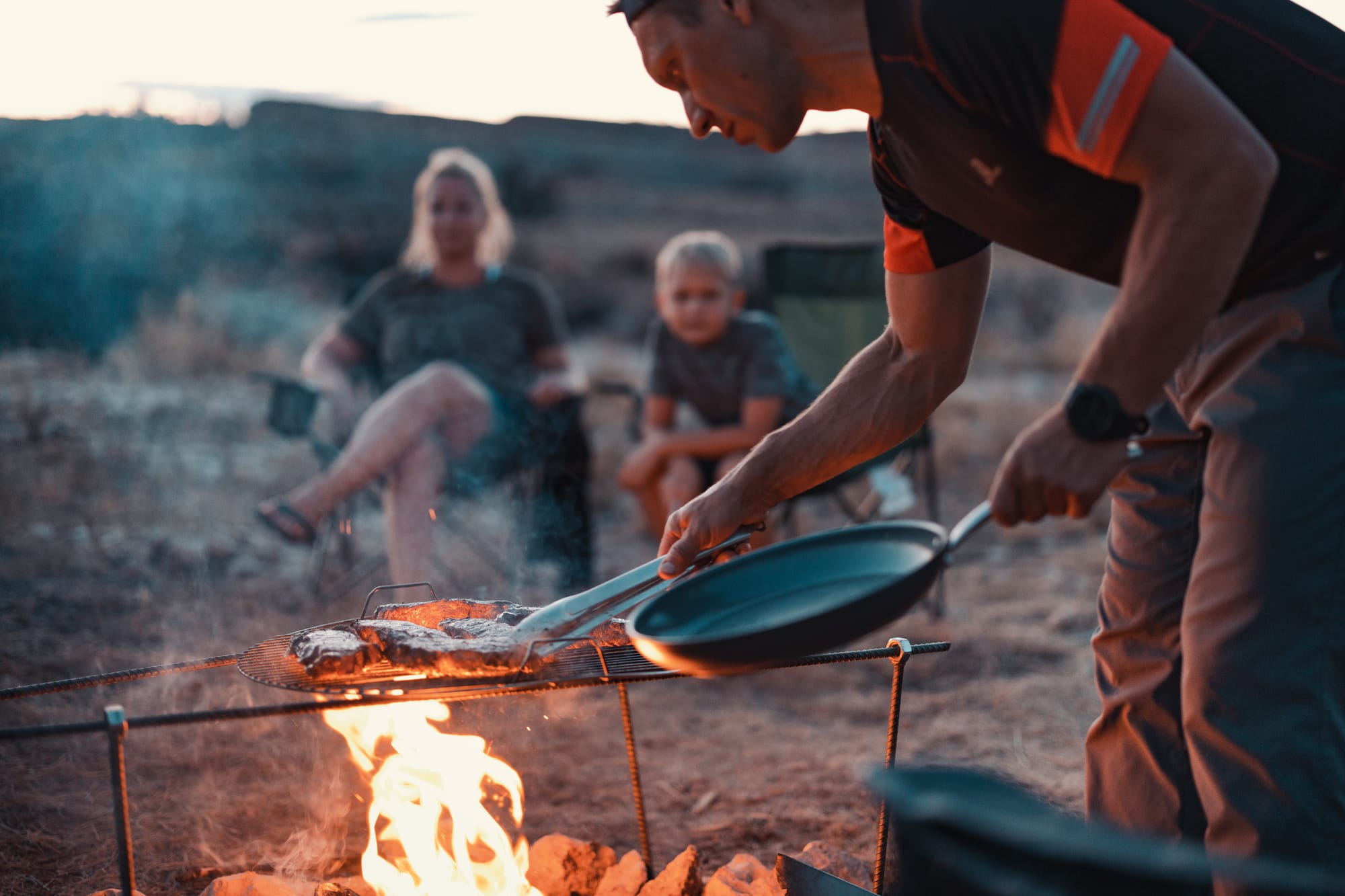
I grow to appreciate the ritual of setting up and breaking down the camp as we continue to travel. Tents need to be erected, dinner planned, fire started, field toilet hole dug (thus the shovel), and many other minute operational details that are so unlike a typical day at the office. These are simple tasks and a choreography emerges the longer we travel together - Vaidas is responsible for the fire (he's suspiciously good at it), Dominic sets up the pressurized water pump, be it for dishes or showering, I'm on food prep, and so on and so forth. Time slows down, tensions ease, and three separate families start relating to the gypsy lifestyle. We're always utterly remote and self sufficient. The night sky is always bright with the Milky Way, light pollution a nuisance left behind for city dwellers. There's something incredibly rejuvenating and hard to describe about the value of simplified living. We've only been traveling for several days, but it feels like weeks - in a good way.
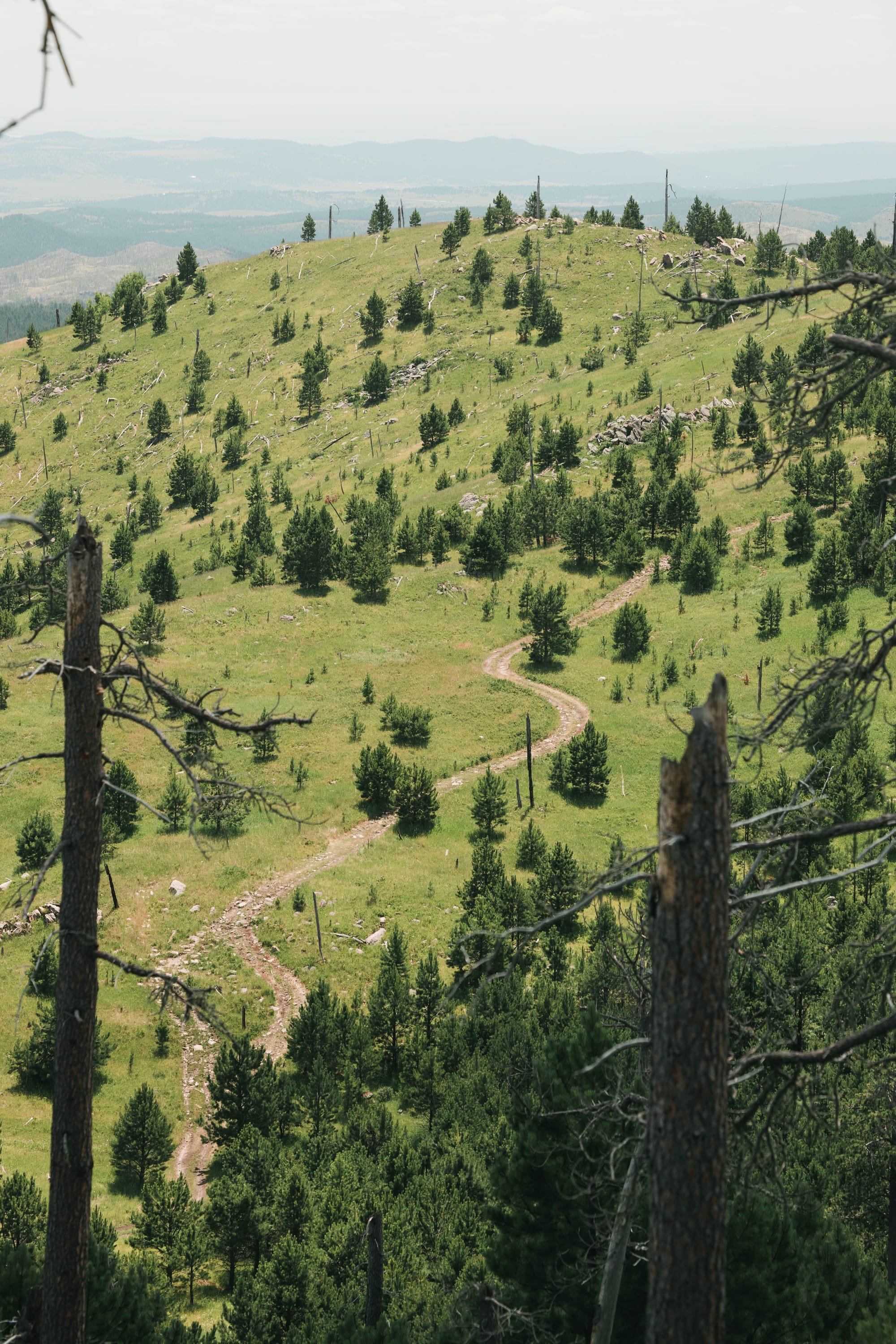
In this short post I don't intent to describe each visited site or ransacked gas station, but there's one more story worth sharing. A story that illustrates a significant aspect of what makes overlanding trips so special. We continue to head west and should be hitting Mount Rushmore later today. There are a few sites within an hours distance that Dominic has identified suitable for camping and, since the sun is still high up in the sky, we decide to investigate one of them prior to visiting Mt. Rushmore. We set out for Cicero Peak in Black Hills of Custer County. It's a steep, rocky trail that takes you to a scenic overlook at 6,168 feet. The trail is a combination of loose rock as well as sharp large boulders. We air down our tires, Dominic sets the pace, and we slowly wobble our way up through a twisty trail covered with leaning evergreens. A good thirty minutes later we're enjoying the view from the top and notice yet another trail leading up the neighboring mountain. From where we're standing it looks like it may be an even better camping spot, so we identify the trail on the map and head back for our planned tour of Mt. Rushmore. We'll be back, as they say.
Mt. Rushmore National Memorial has somehow gotten politicized this year, but it's a wonderful monument to the greatness of this country, irrespective of where you lean in the political spectrum. The path leading to the larger-than-life figures of George Washington, Thomas Jefferson, Theodore Roosevelt, and Abraham Lincoln has been recently renovated and we rest on the steps in front of the monument as the sun slowly sinks to the horizon, the air cools, and kids clatter around us.
With limited daylight, we board our transport and rush back to the secondary site - one that the previous expedition has not vetted. As we traverse deeper and deeper into the trail, locals in highly modified buggies tell us the path has been washed out by recent rains and that traversal is going to be choppy. High on fresh air we push forward, frequently honking at extremely inconsiderate cattle that are grazing in the national forest. Judging by the round-eyed looks they give us, we clearly do not belong and they clearly know something we don't. Forty five minutes later we've made good progress, but we're starting to slow down - someone has to actively spot for large rocks, we need to stop and move boulders out of the way, and the sun is getting uncomfortable close to the horizon. Dominic and Vaidas tell me over the radio that they're going to scout the trail on foot and decide on how to best proceed. We also realize that it is too late to get down and back up to our original camp site...
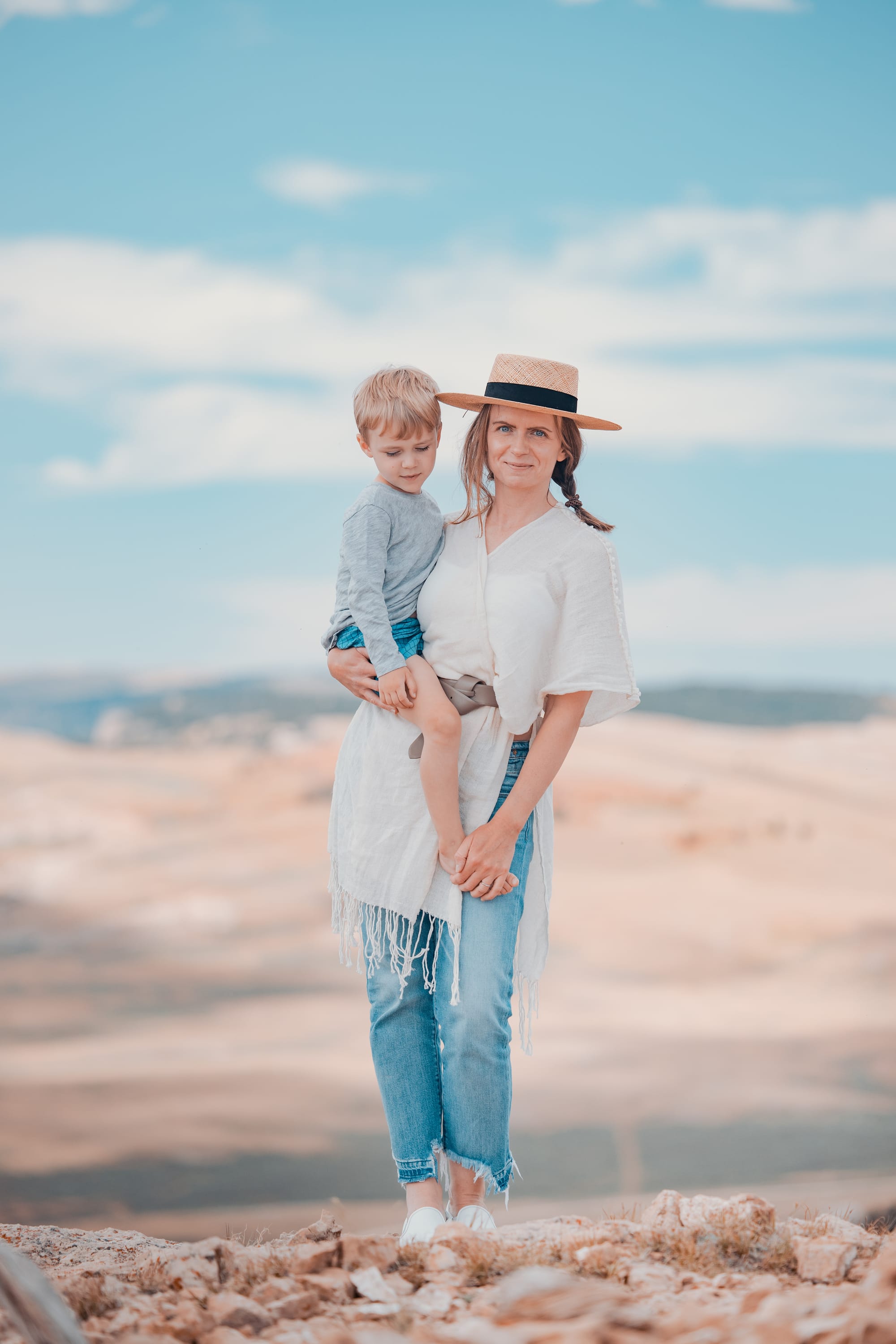
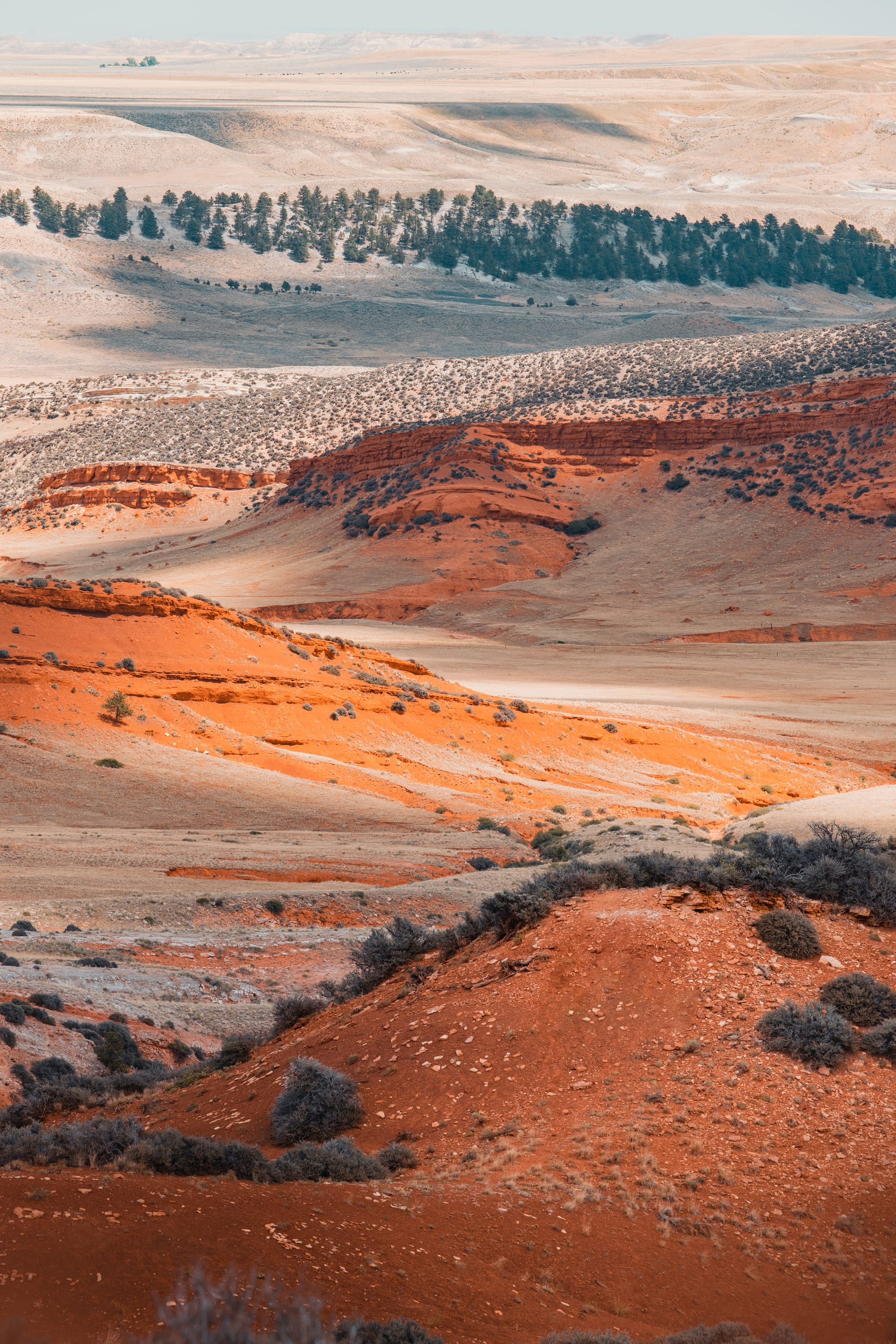
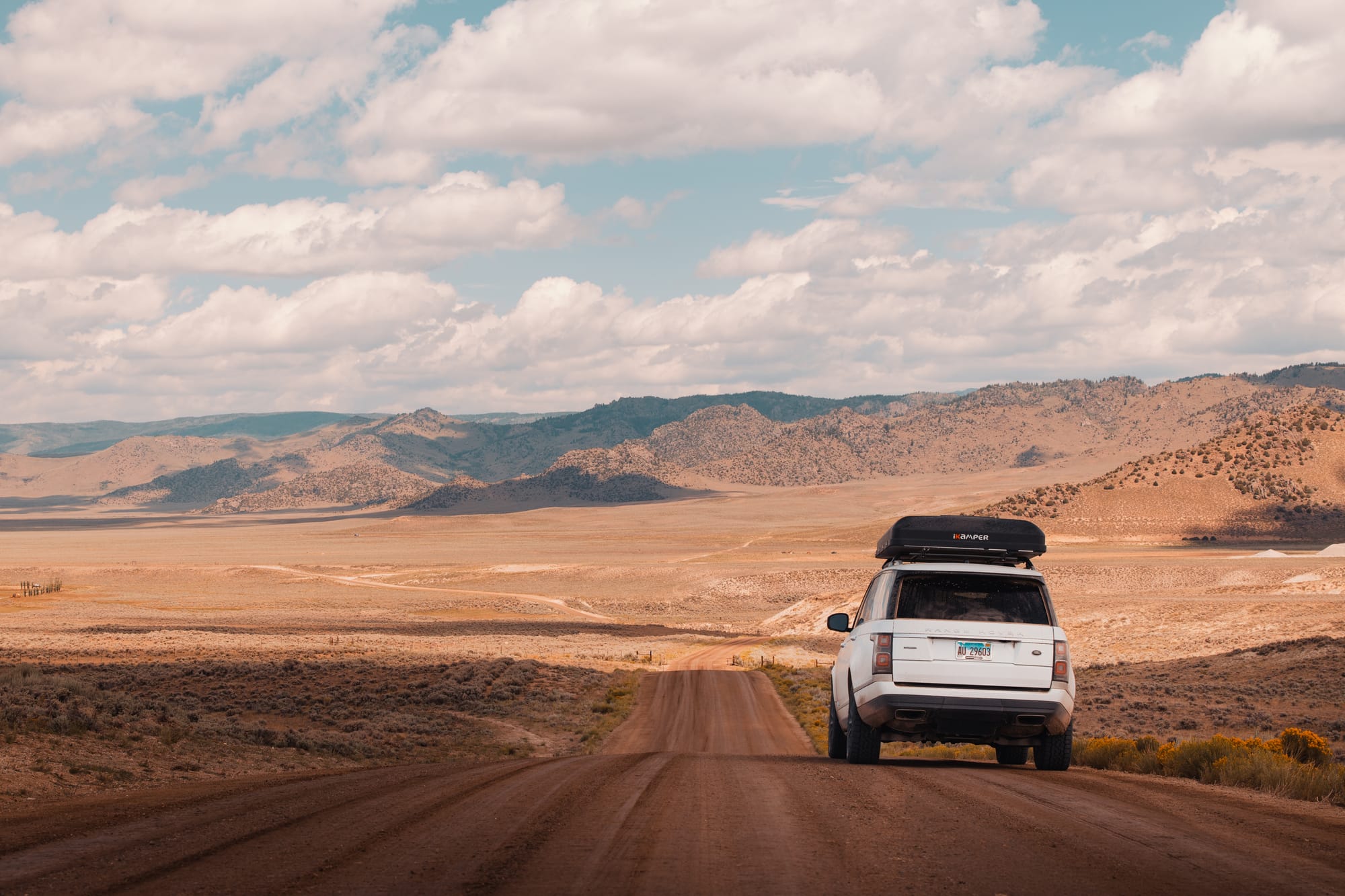
Ten minutes later Dominic clambers down with deflated spirits and tells me we should turn around. In addition to a fallen tree blocking our path (that we could chop up if we had time) there are several large boulders that we can't clear and will need to climb over with the help of other rocks. We're losing light fast, kids are giving us hungry looks through the windows, and we're starting to run out of options. No one is in the mood of getting stuck mid-mountain without a proper dinner, so tensions run high. As I was saying before, Dominic sometimes tends to, shall I say, overemphasize the severeness of a given situation (cue the bear encounter example) so I turn to Vaidas for a reality check. The guy works on rooftops without safety straps, so when he tells me we should turn around I keep my mouth shut and suck up the first failed mission of the trip.
By the time we're at the base of the hill it is dark outside and we're an hour away from the closest town. All campsites and hotels are booked - this is Mt. Rushmore territory after all. We are finally able to secure rooms at the Ramada in Keystone, home of the National Presidential Wax Museum. And no, we did not have time to check it out. It's 11pm when we check in and kids are starting to crash. Luckily a local pizza joint is open and thirty minutes later we're all crammed in a merry little hotel room with pizza, wine, beer, and shots of vodka. What started as frustration is now relief - we made it, our bellies are full, and we get to take a real shower for the first time in several days.
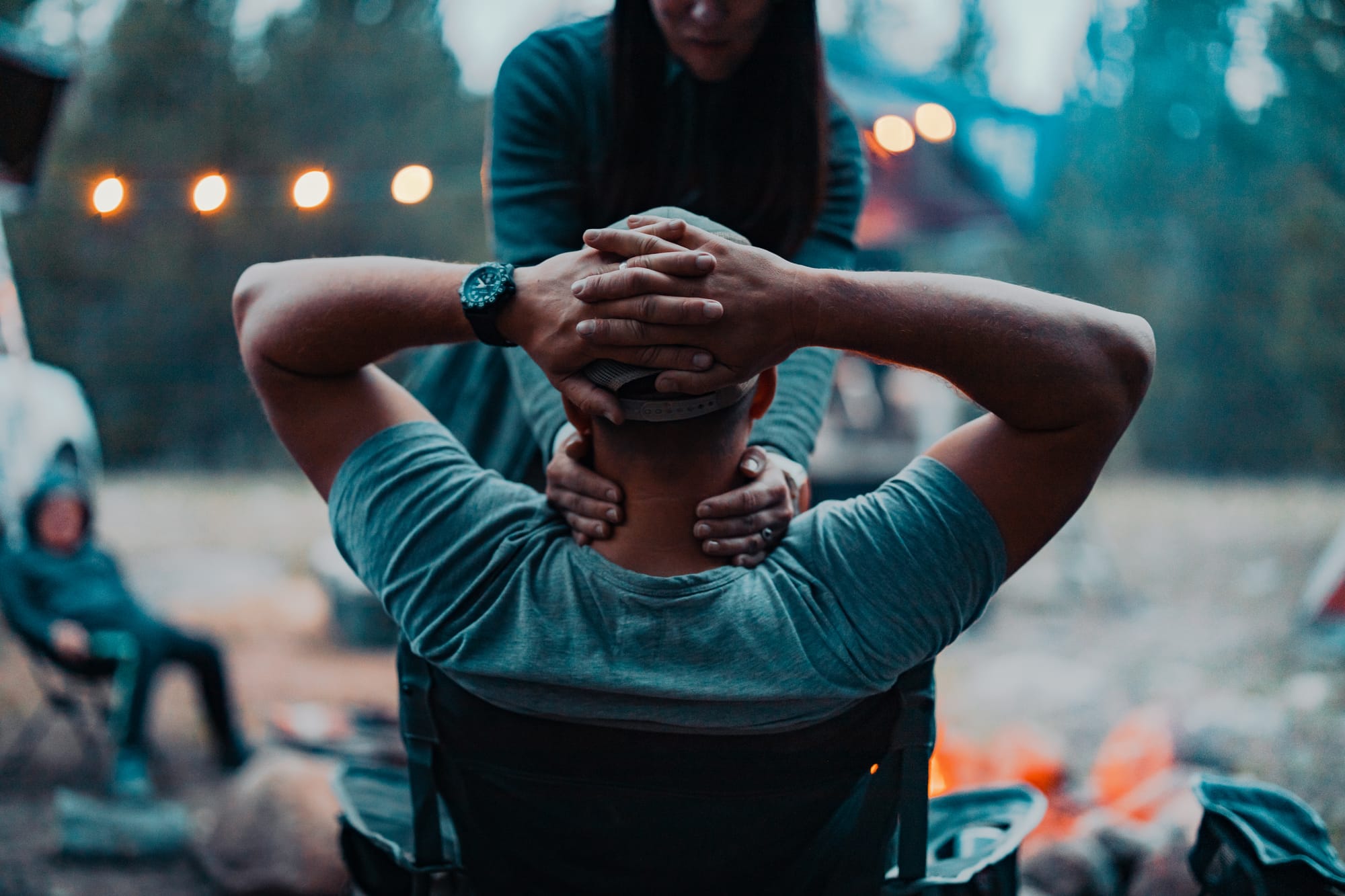
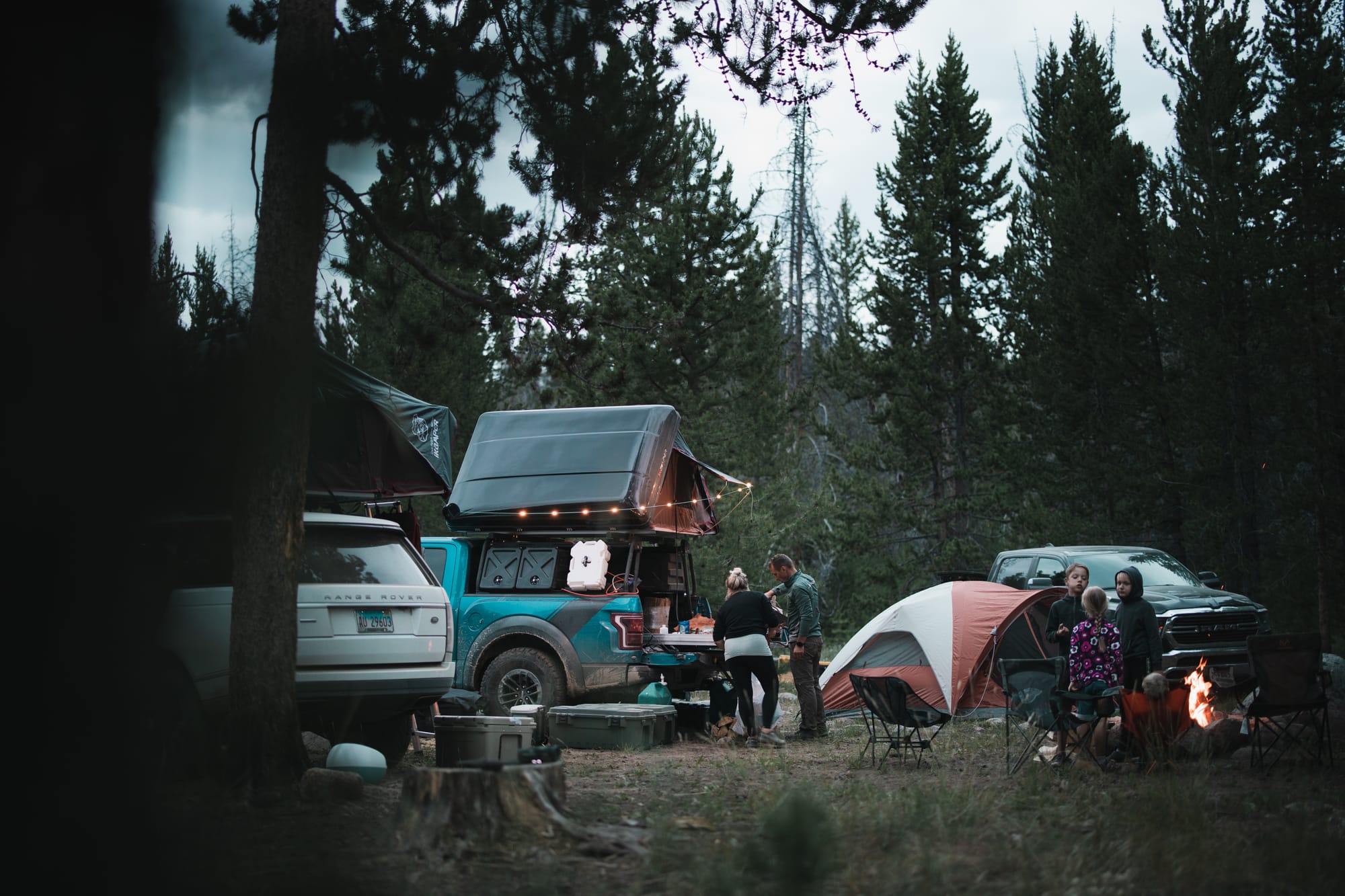
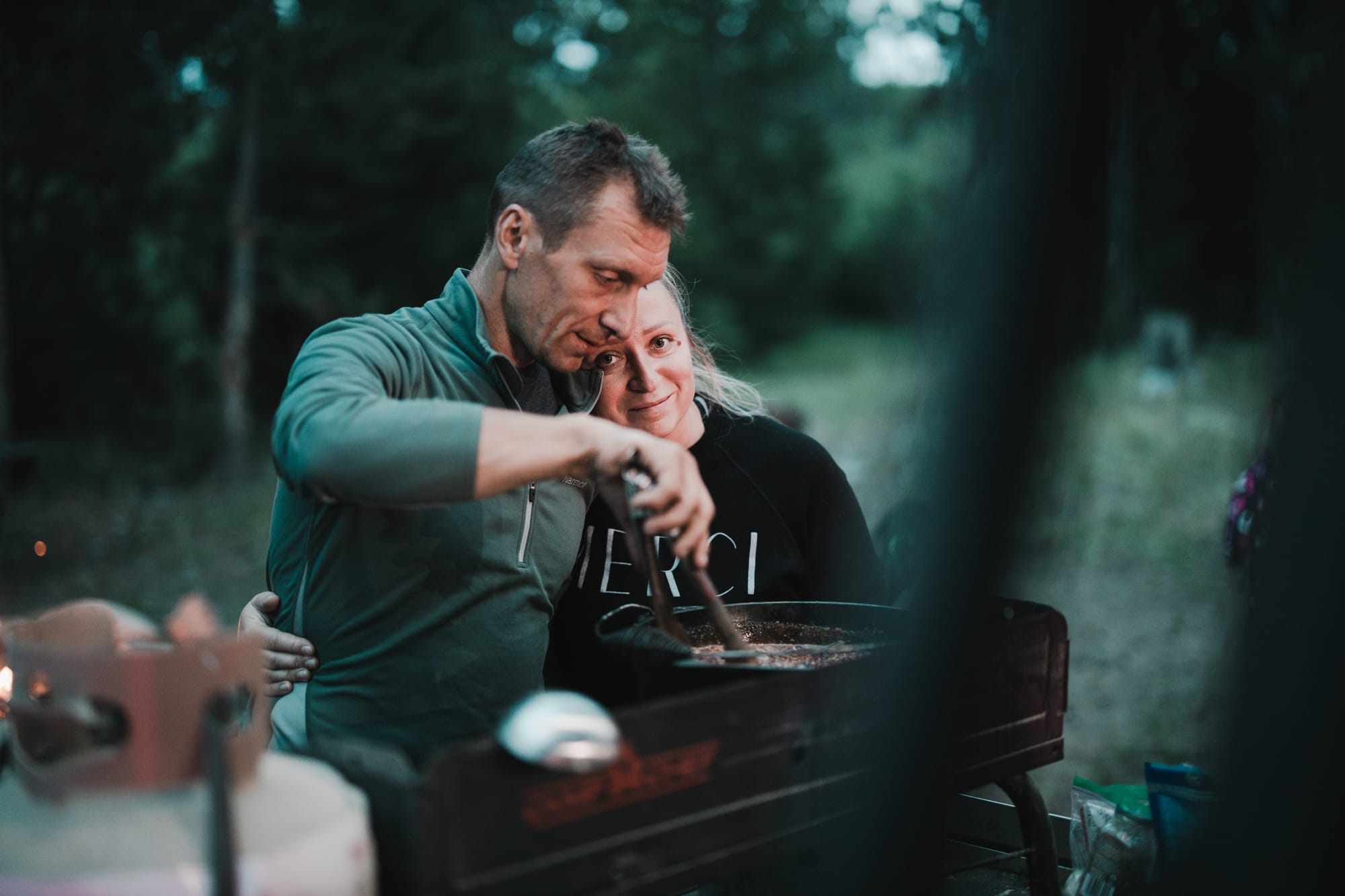
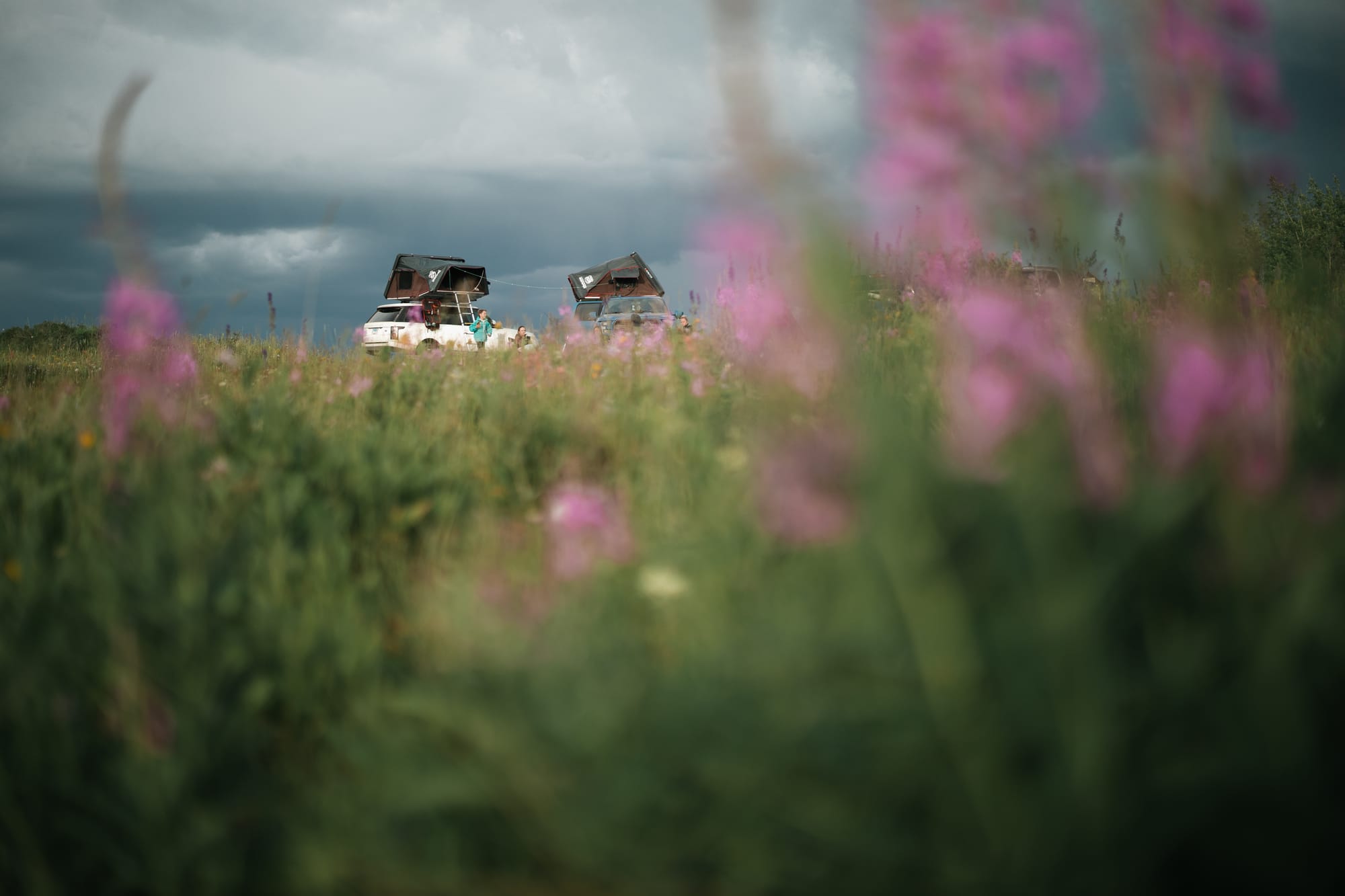
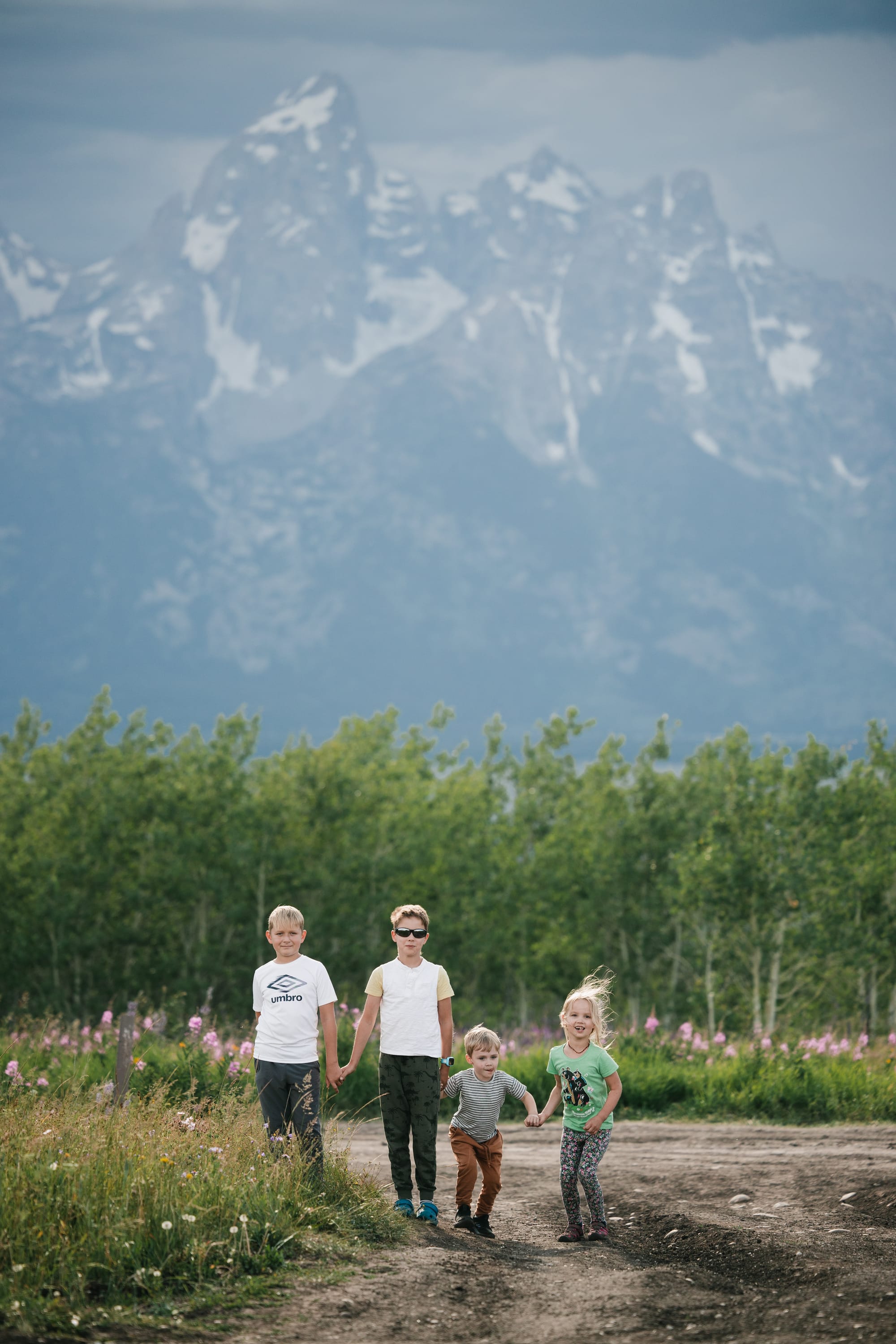
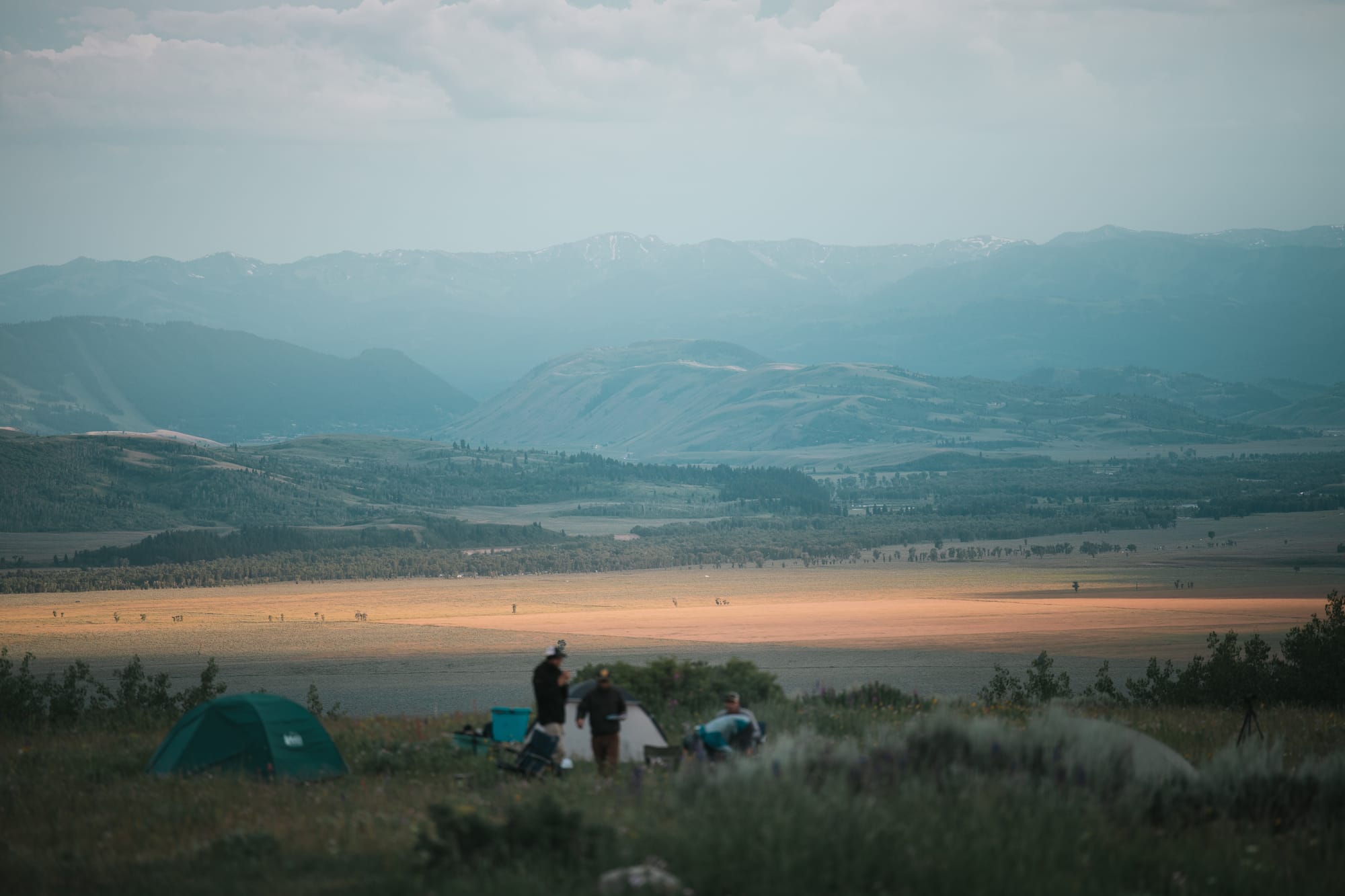
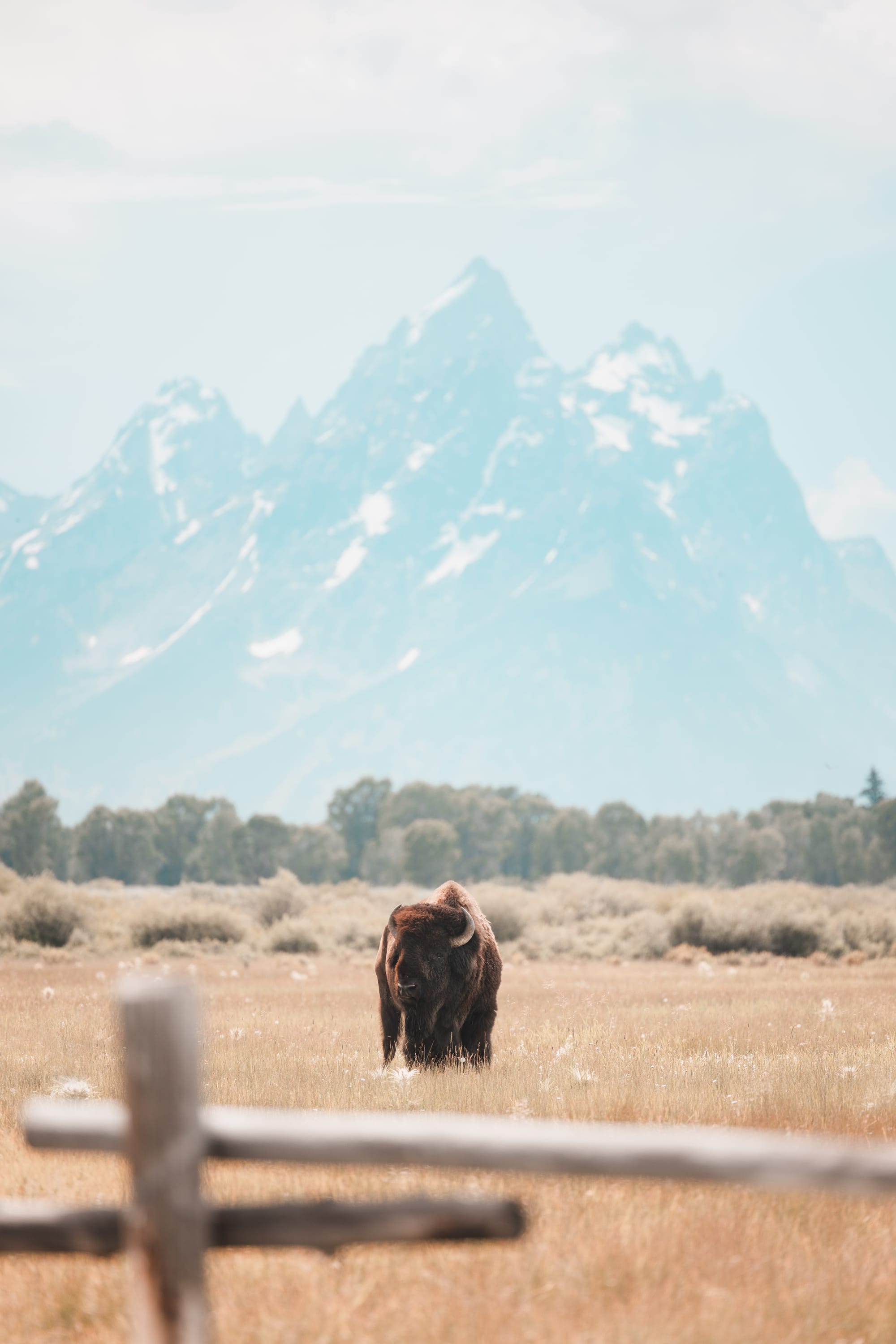
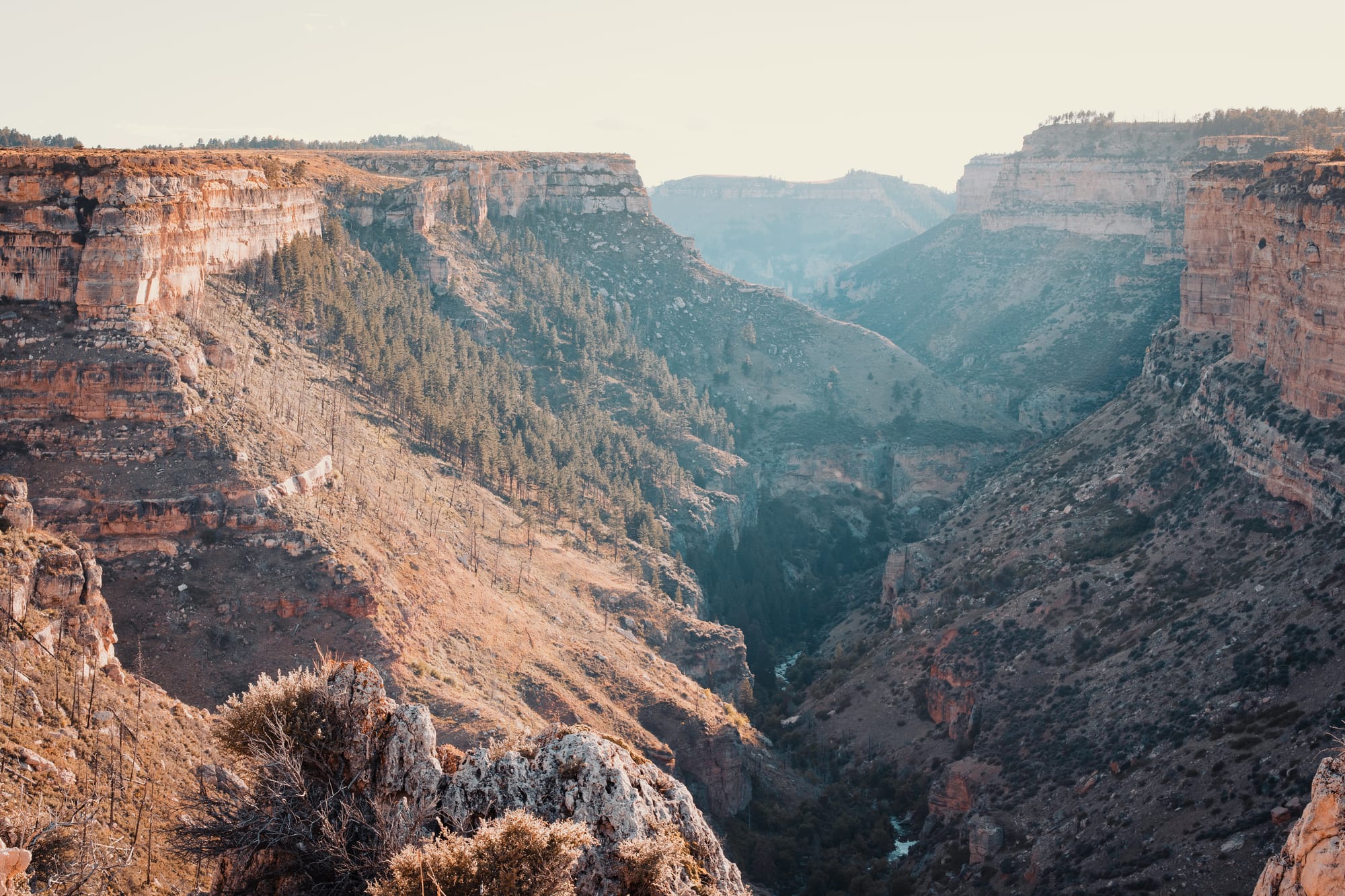
The remaining 3,500 miles of the trip are more of the same in that they're not the same at all. We celebrate Giedre's 40th birthday on the precipice of a magnificent canyon with stars brighter than anything I've ever seen in my life. We camp out in bear territory and Dominic patrols the campsite with his handgun. We are assaulted by a flash storm at the base of the Grand Tetons. We suffer a flat tire. We dive into ice cold mountain lakes. We meet locals that give us tips for better off road trails. I almost run out of gas. We get lost and find ourselves driving through the historic Oregon trail. We feed what feels like a thousand mosquitoes.
Overlanding is not about the destination. It's about the stories, jokes, adventures, and failures that happen along the way. It's about the feeling of belonging to a pack that you only appreciate after you return to normalcy and have to head back to your daily routine. And you know what's funny? When a friend of mine asked me about the trip, I said - "It's one of the best trips we've taken in our life". Now I'm becoming like Dominic.