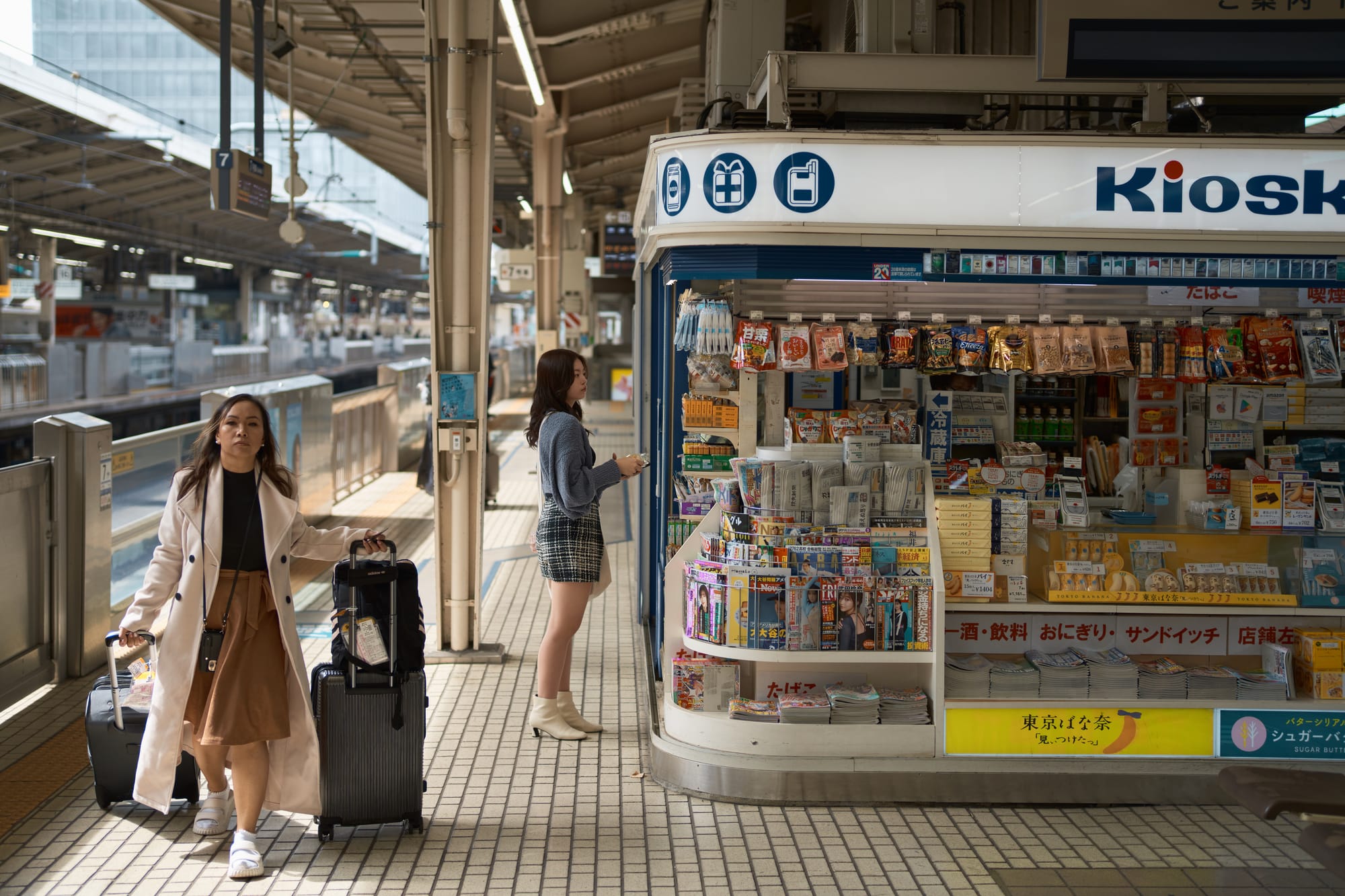
Tokyo: largest city in the world, respectfully silent
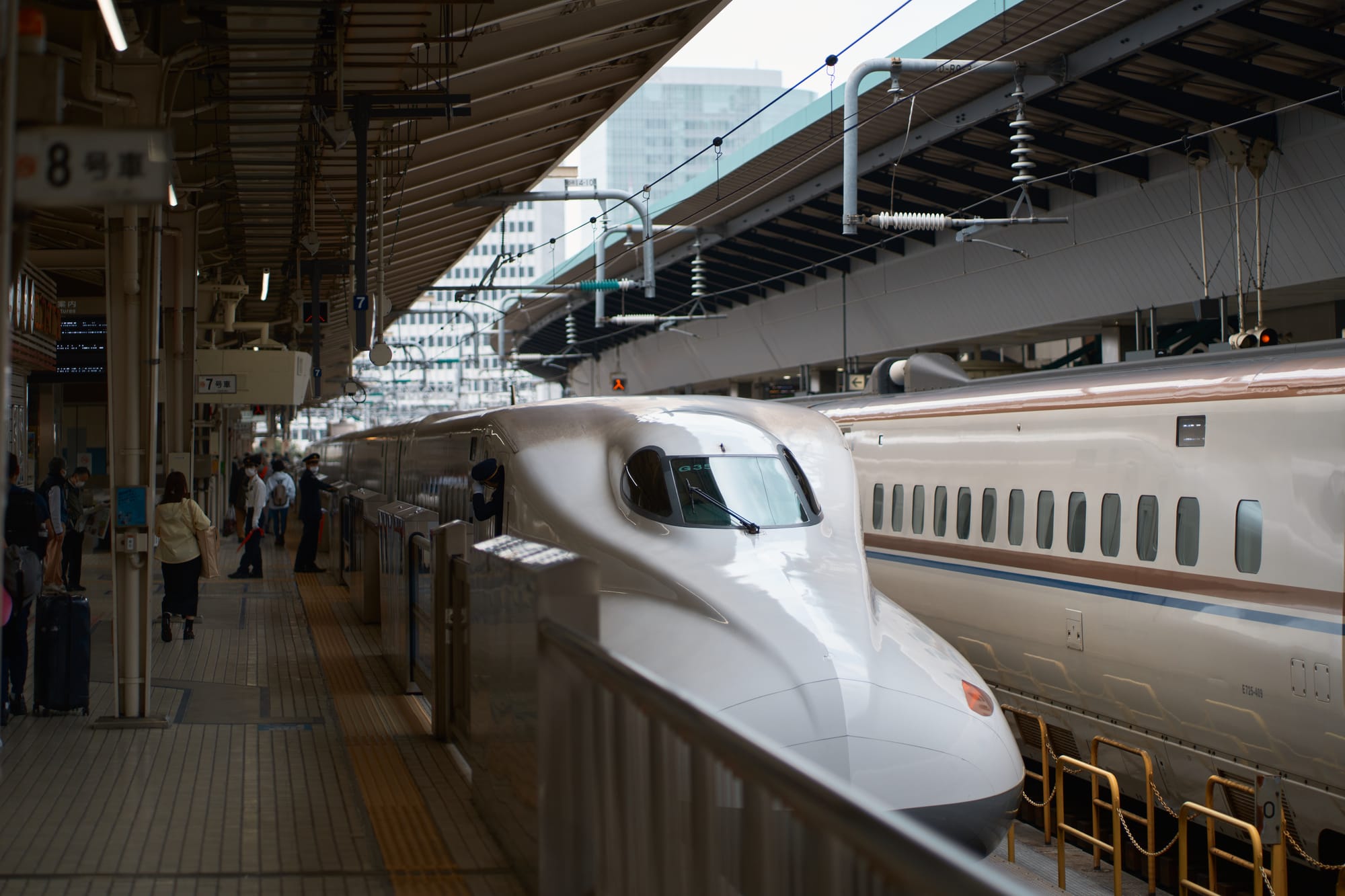
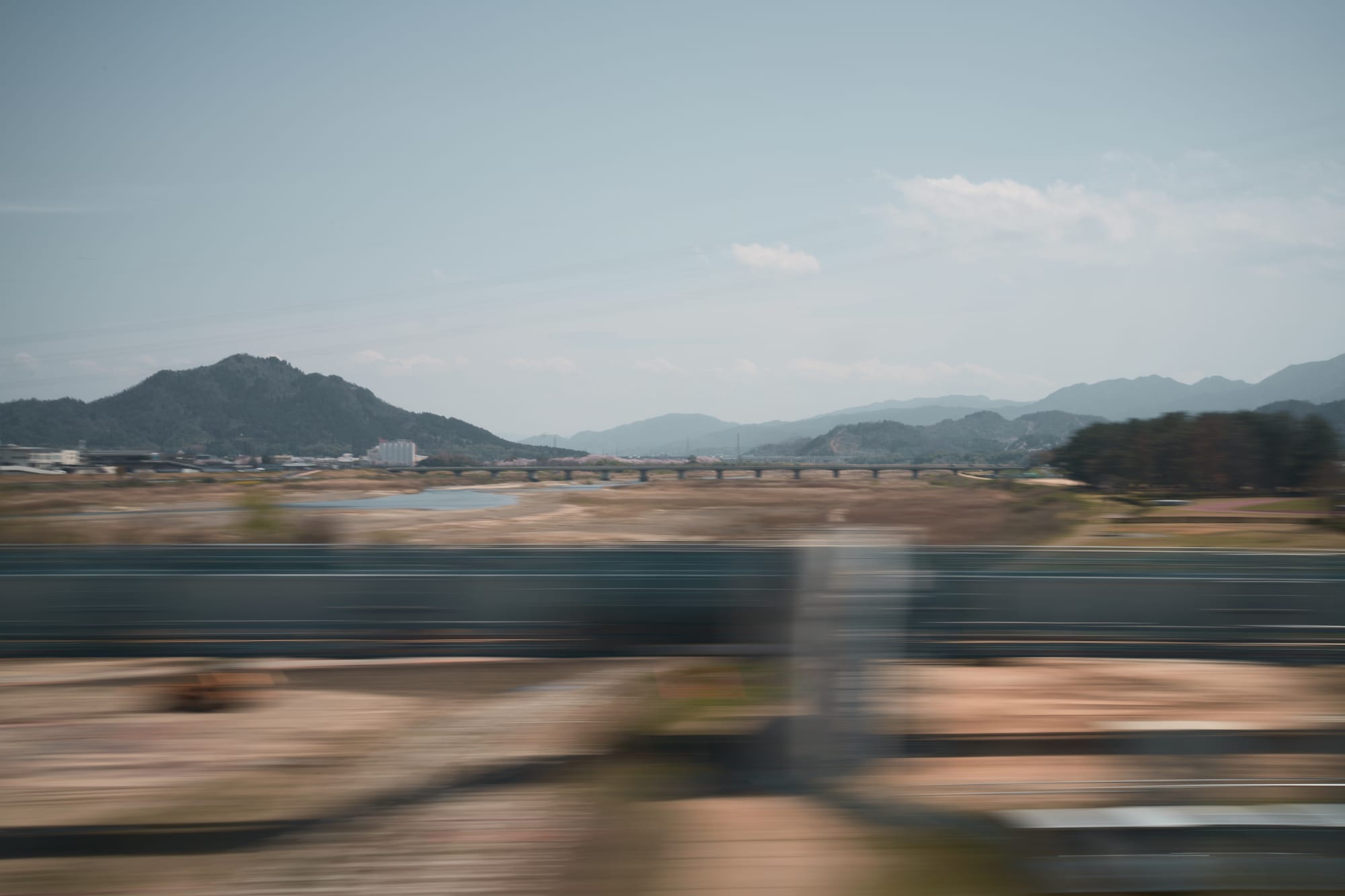
Two weeks whizzing around Japan in bullet trains - from Tokyo, to Kyoto, to Nara, and finally exploring the slower pace of life on the Nakasendo samurai trail.
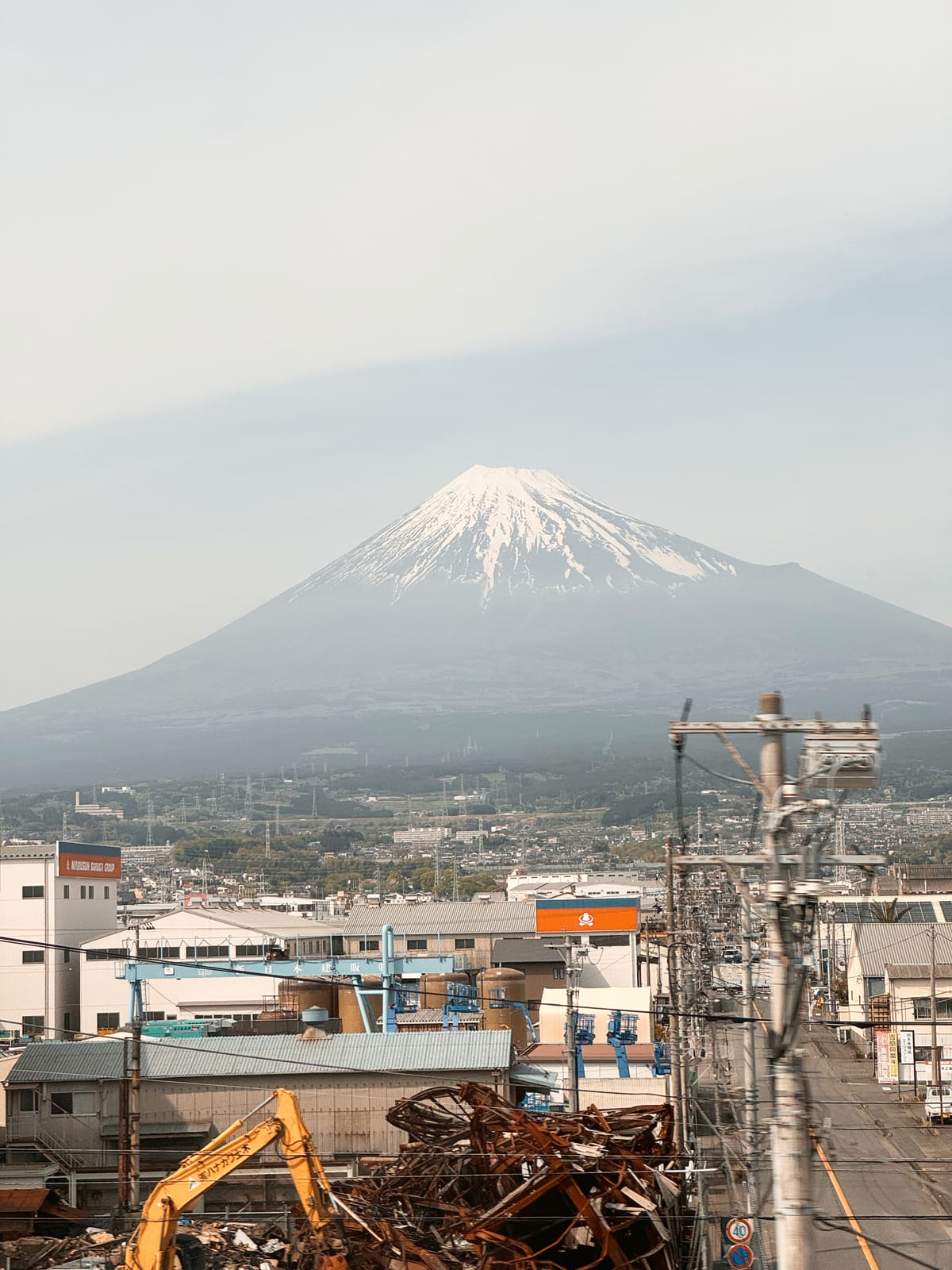
I have a massive backlog of writing to get through. Instead of holding back to post the pictures, I'll update this story as a blog post. It may not make sense at first, but I trust the process. We spent two full weeks whizzing around Japan in bullet trains - from Tokyo, to Kyoto, to Nara, and finally exploring the slower pace of life on the Nakasendo samurai trail and surrounding towns. Here's what we saw, ate, and thought about.
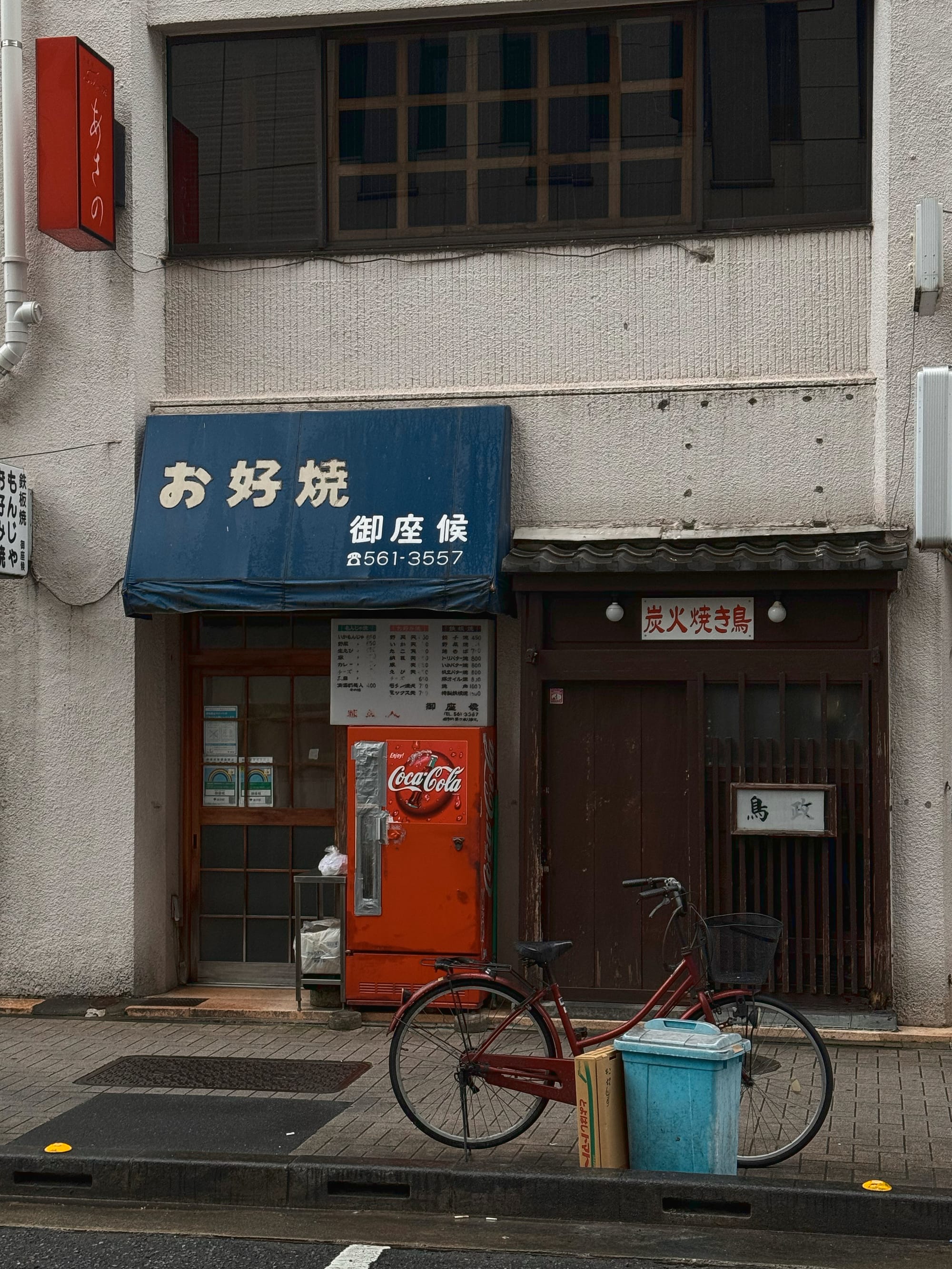
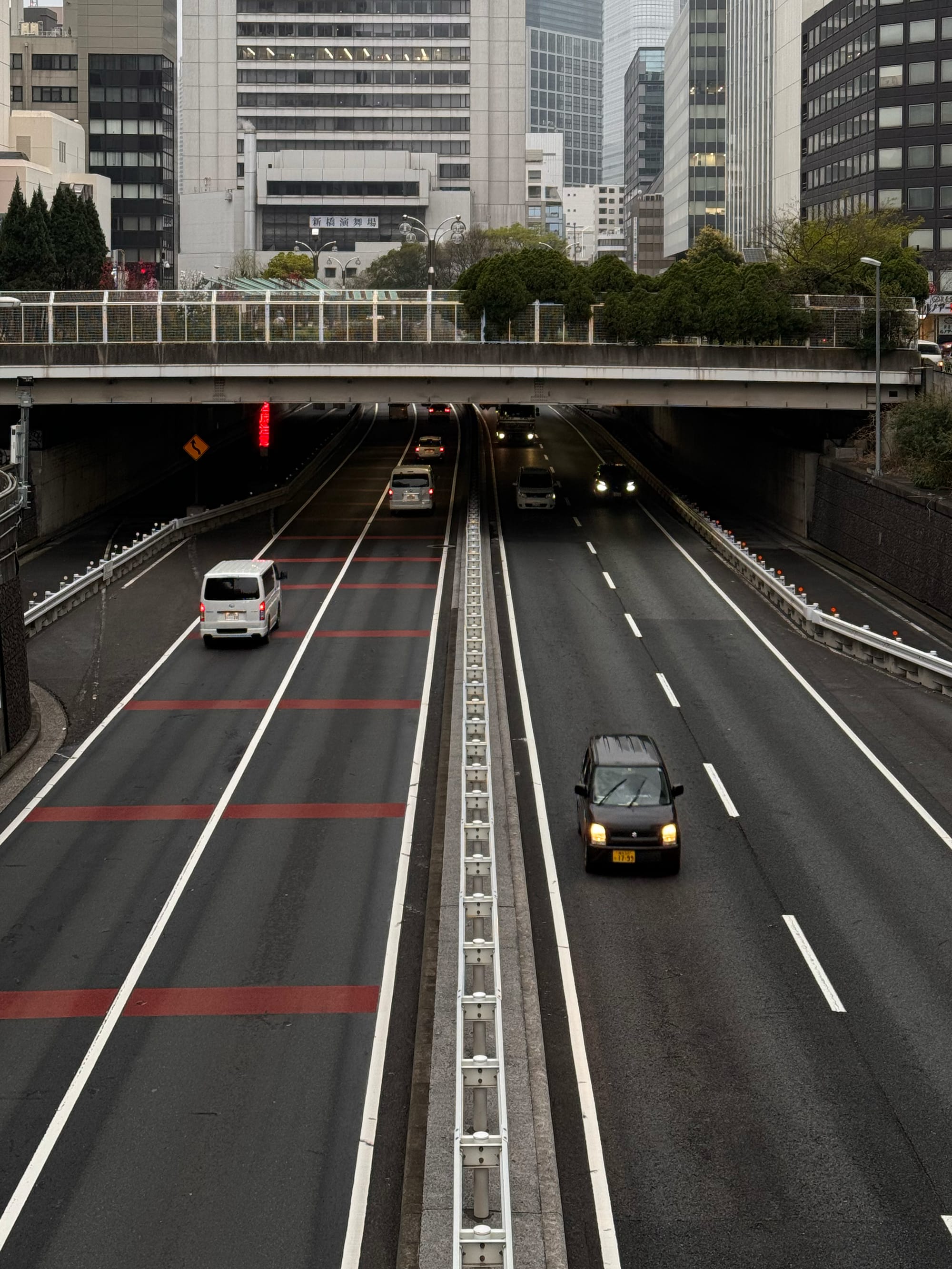
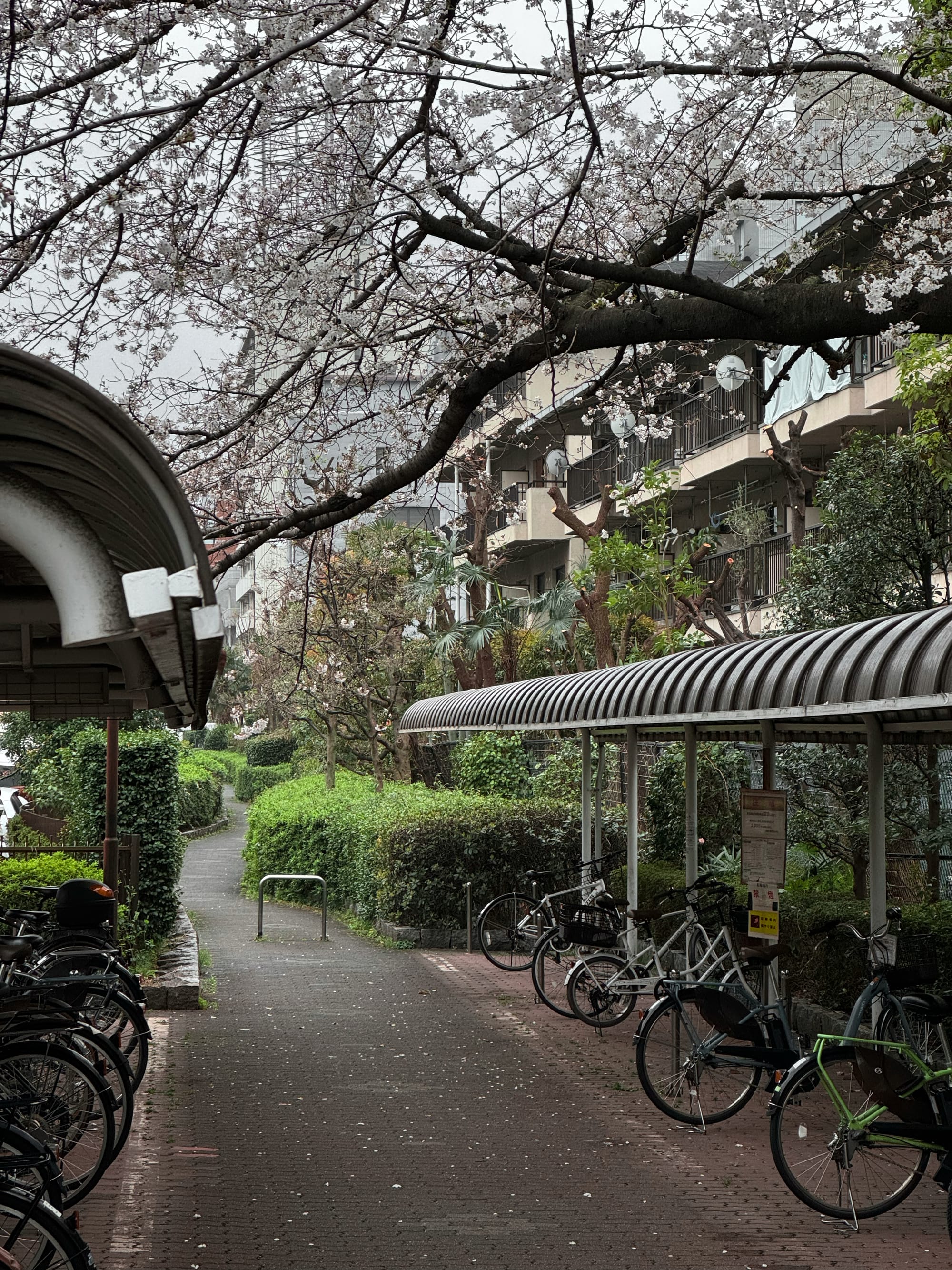
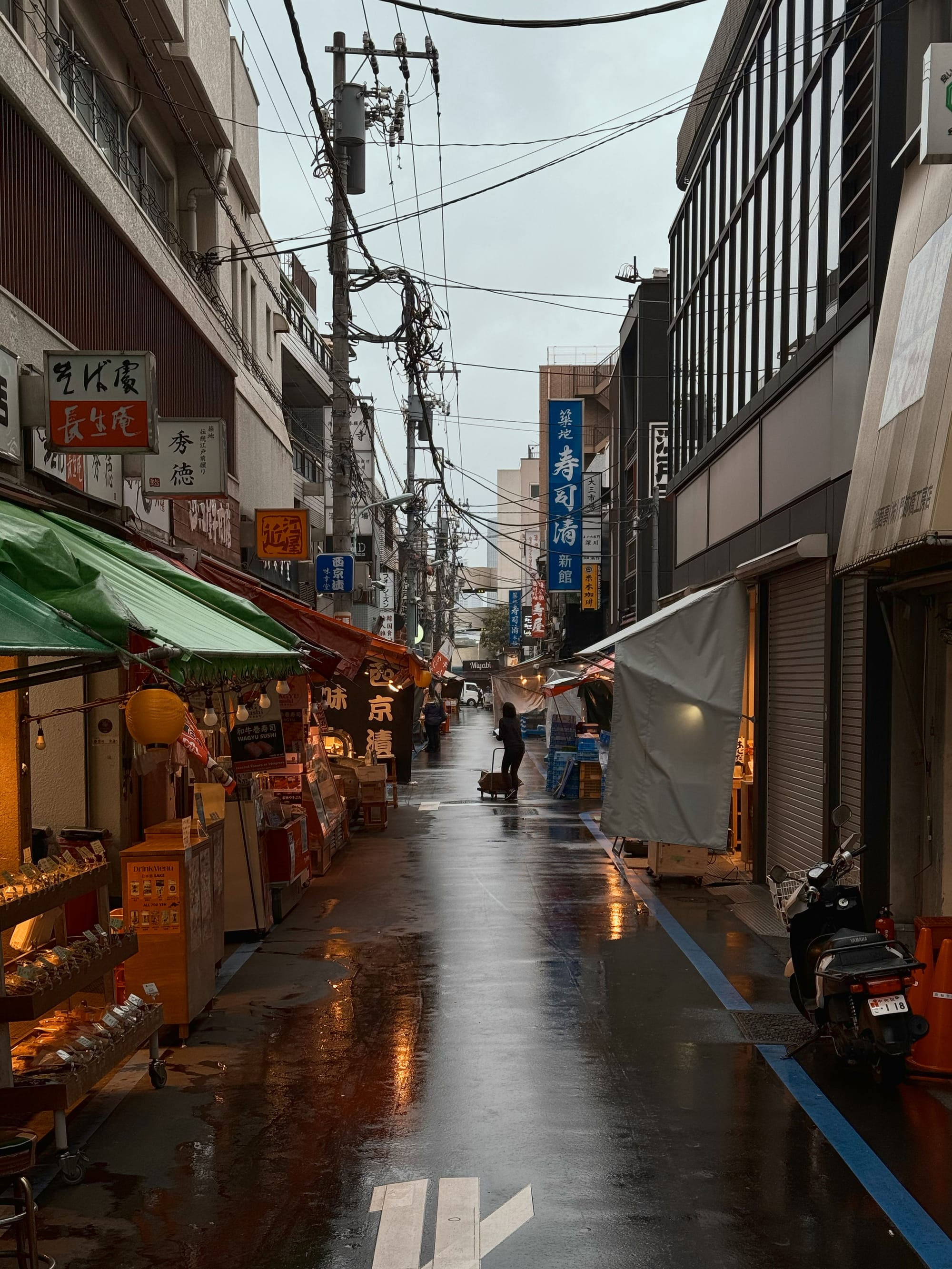
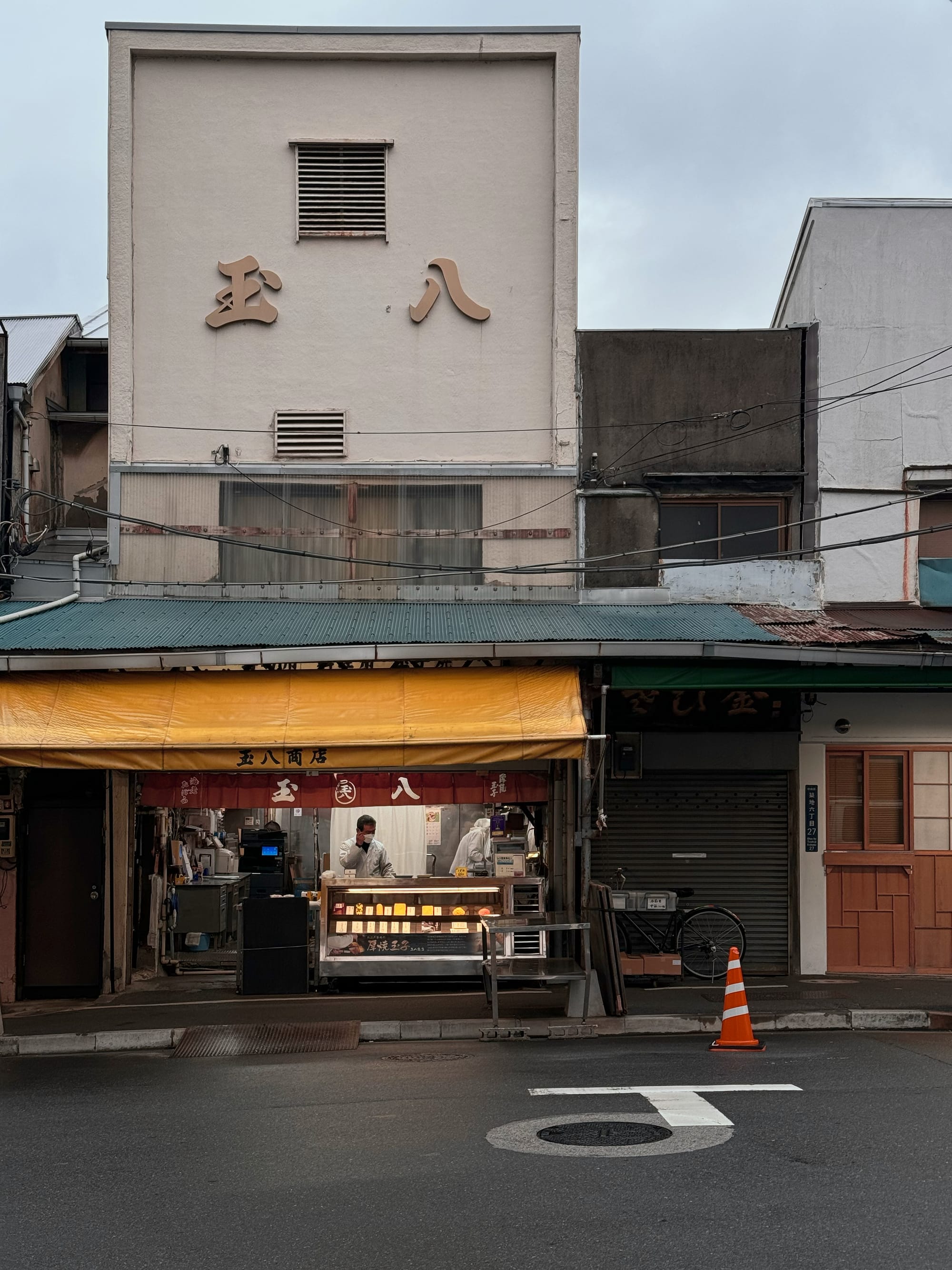
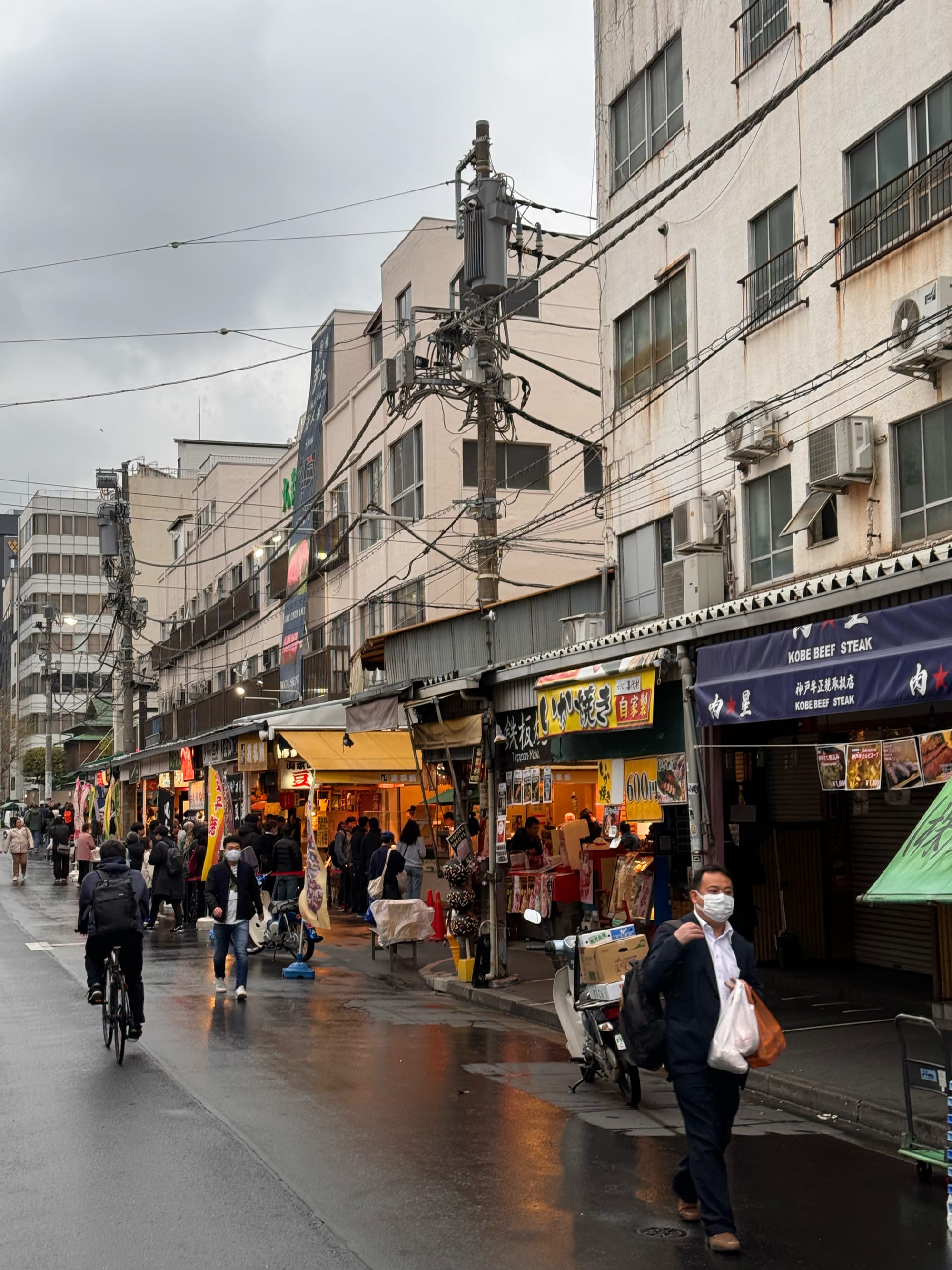
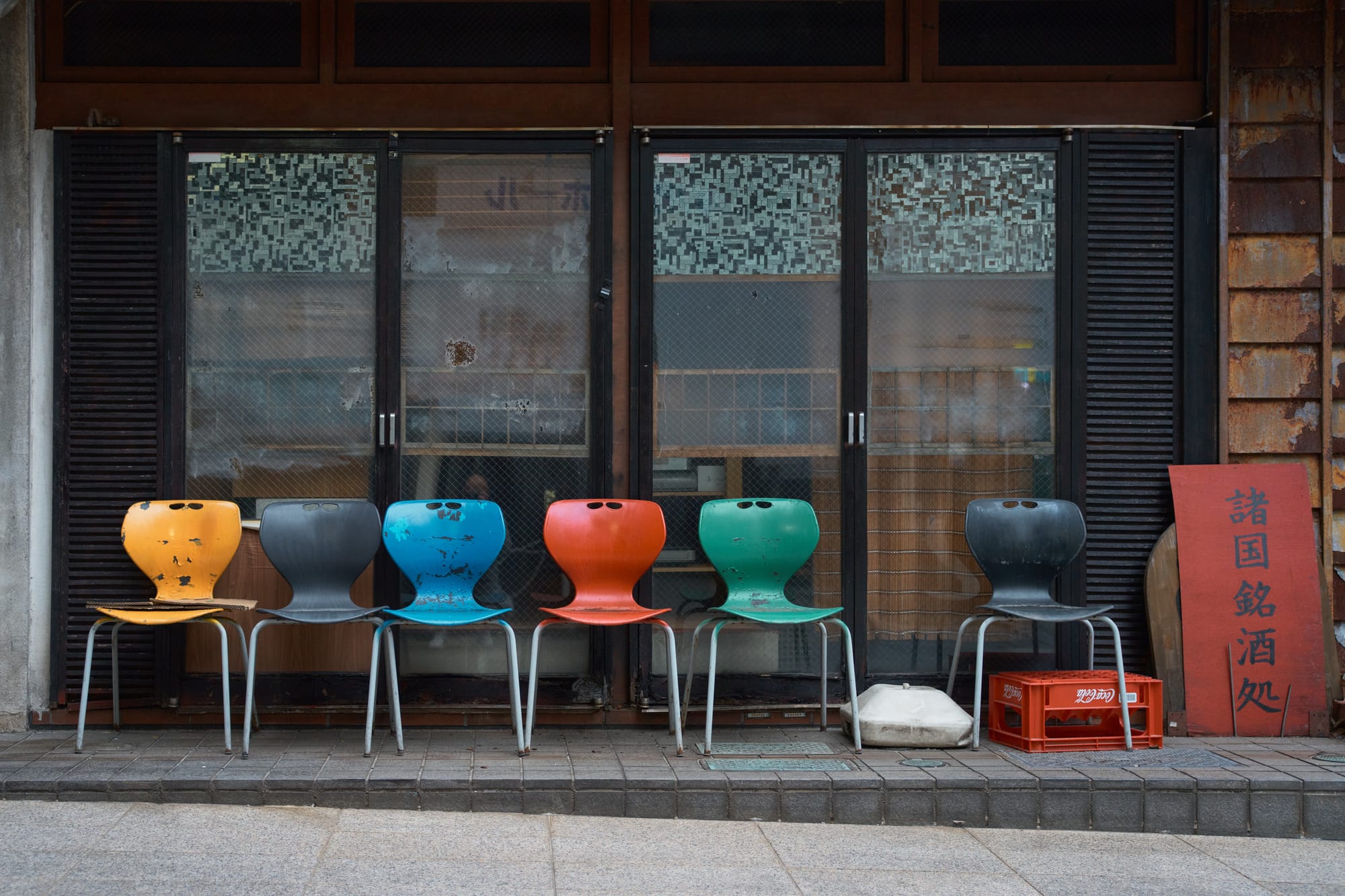
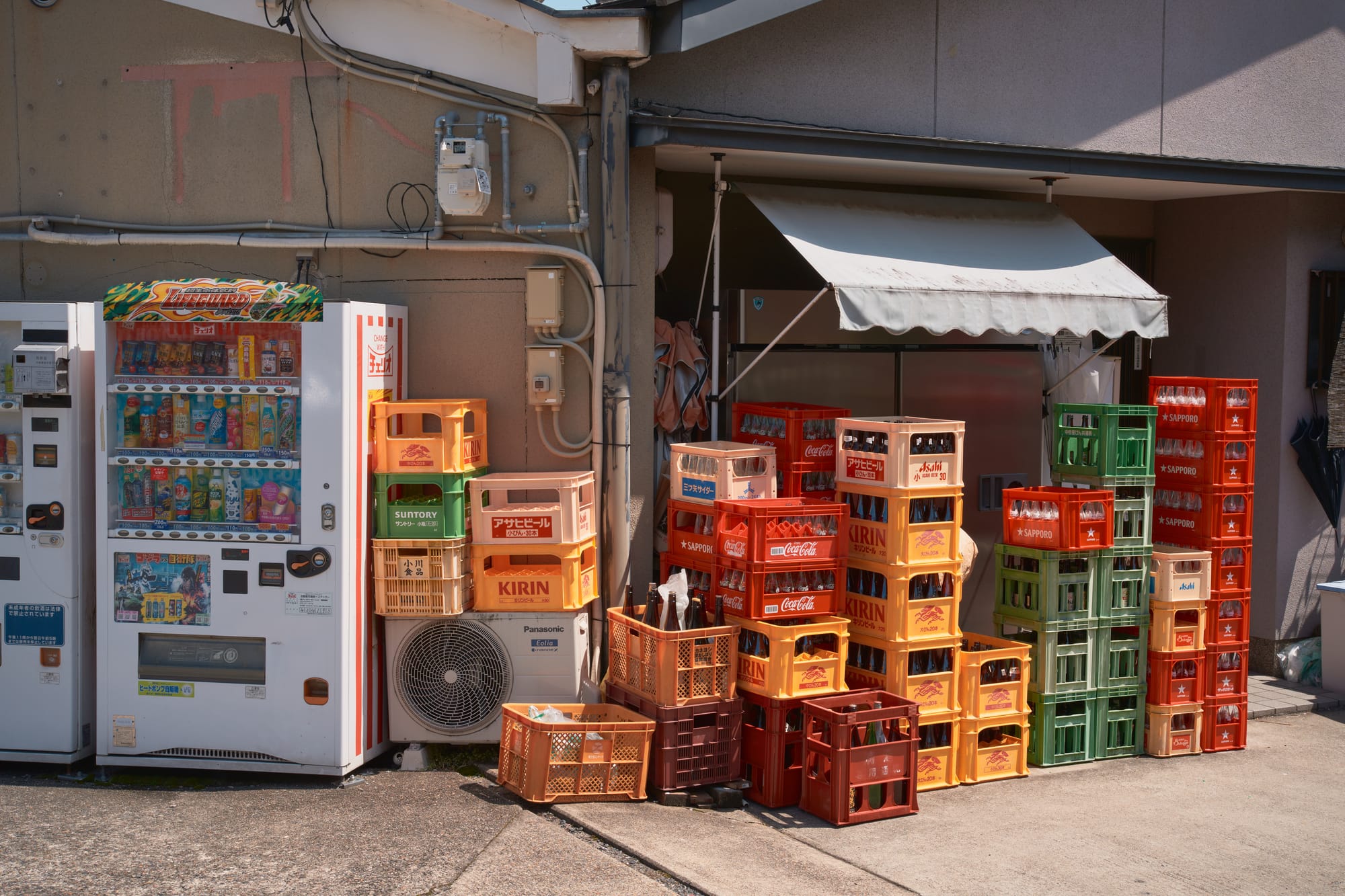
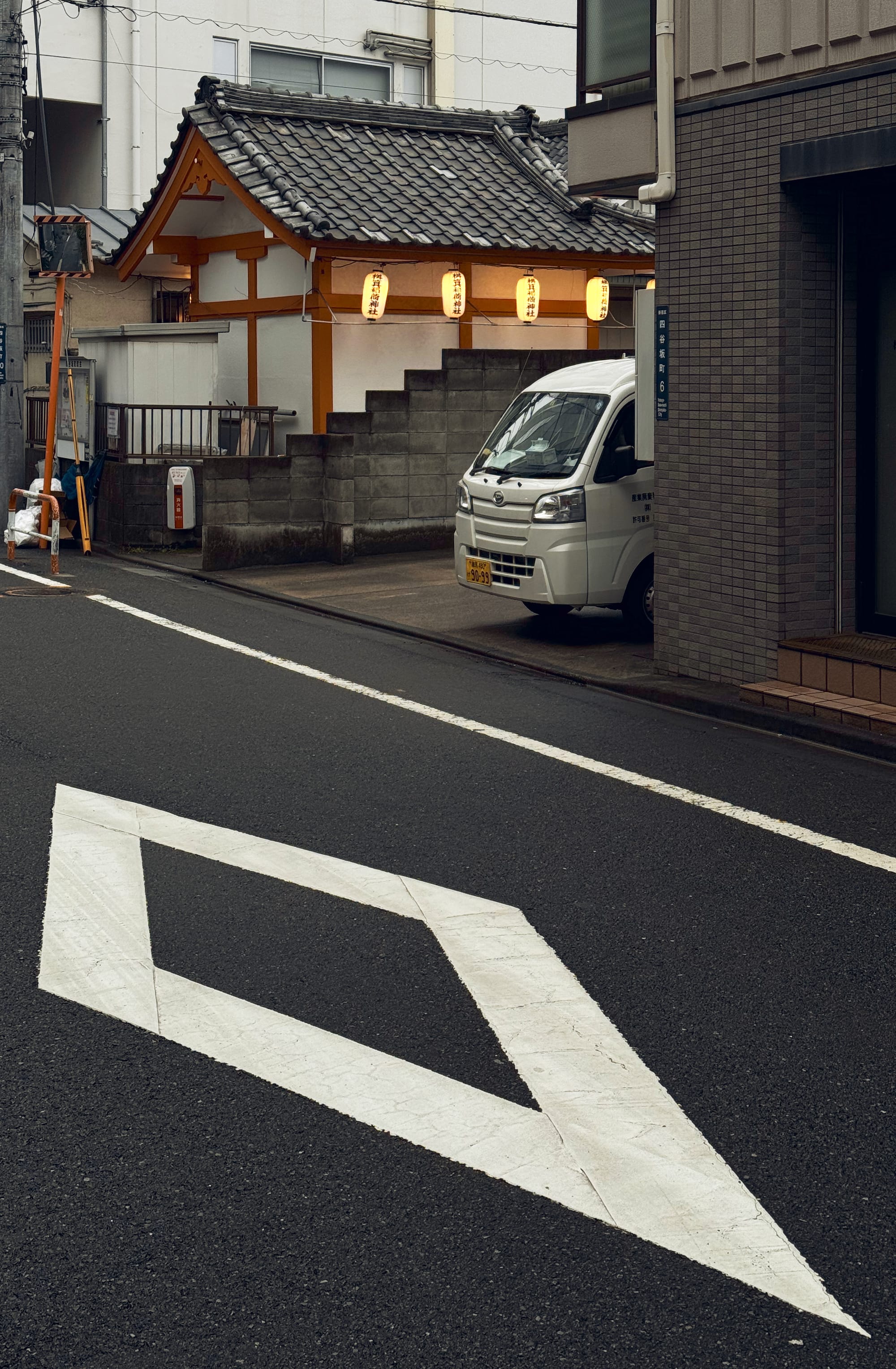
It's odd to start piecing together the trip from pictures of alleys, but I dislike walking down busy promenades with flashy brands and polished marble tiles. They're all the same and could be swapped between Paris, New York, or Tokyo. Jet lag is brutal so I research my morning jog route at 4am, burn through the room reserves of Nespresso coffee capsules, and kickstart the day heading Westbound from the Peninsula hotel.
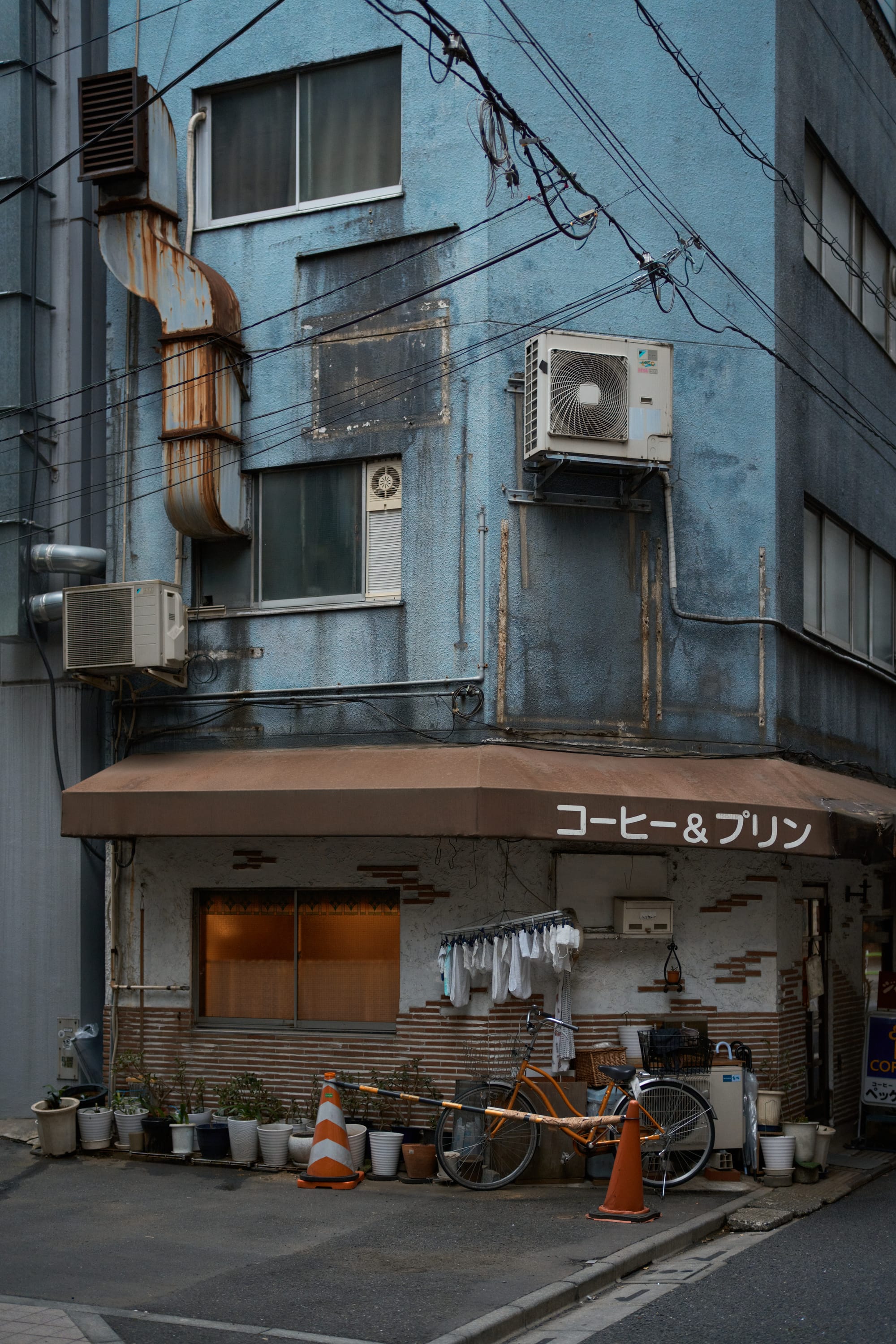
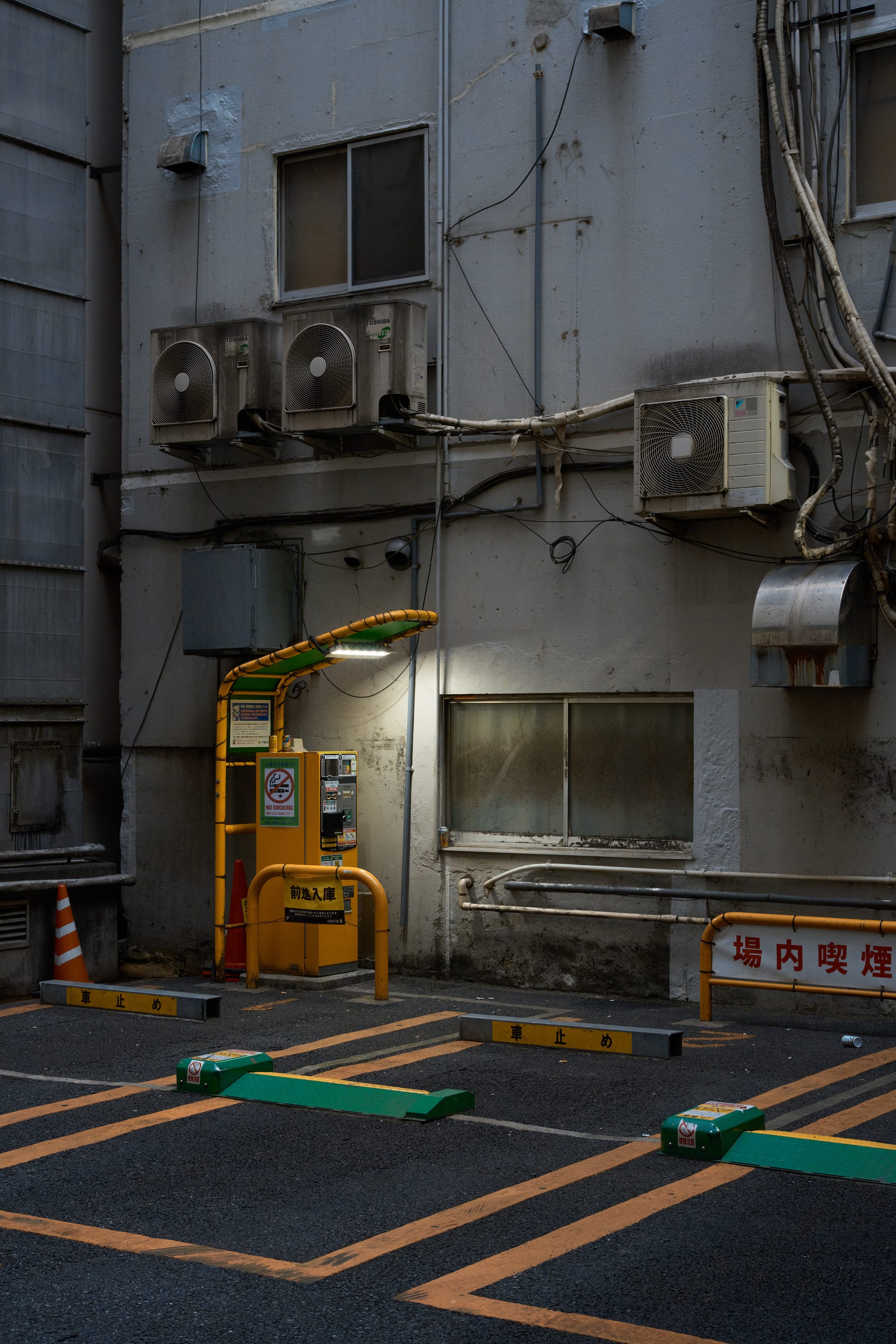
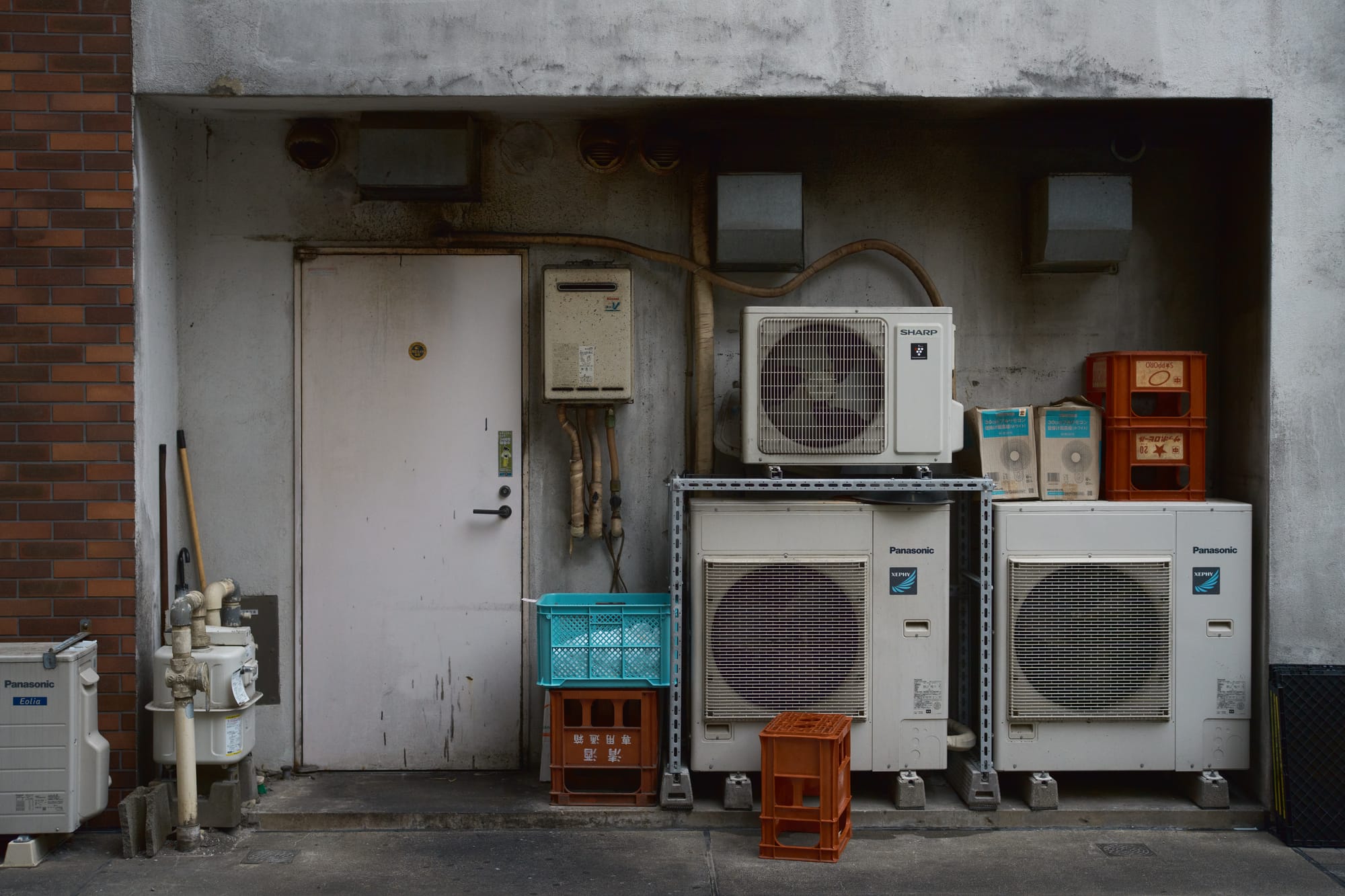
I remember the first impression of Tokyo that morning. For 37 million people it's incredibly silent. Peaceful, even. Granted, I'm running before any sane person is up, but even at predawn hours cities like New York hum with ambulance activity, rushing cabs, hissing steam vents, and the occasional night laborer scuttling to or from their job. But Tokyo is chill. Birds chirp around me as I disturb them with my run, pedestrian crossings beep with polite tones for the visually impaired. I puzzle why every single sidewalk has a yellow central tile with a lego-like surface. I later learn these are "tenji tile" and have been invented by the Japanese 50 years ago to assist blind people with a tactile surface while navigating the metropolis. Now used all over the world, from Sydney, to London.
There are (almost) no trash cans in Japan, with the exception of recycling containers next to vending machines. A culture of not creating a mess and thus not having to clean up after is practiced. Schools don't have janitors and students take turns cleaning the classrooms and common areas. Streets are spotless and my shoes are clean from dust after a week of running and walking. The absence of trash cans originated in the 90's when a deadly sarin gas attack was carried out in a busy Tokyo subway. The government took out containers that could hide potential weapons and people adjusted around the change. It's unusual to see people eat or drink while on the move and wrappers, cans, and other disposables are carried along to be recycled at home.
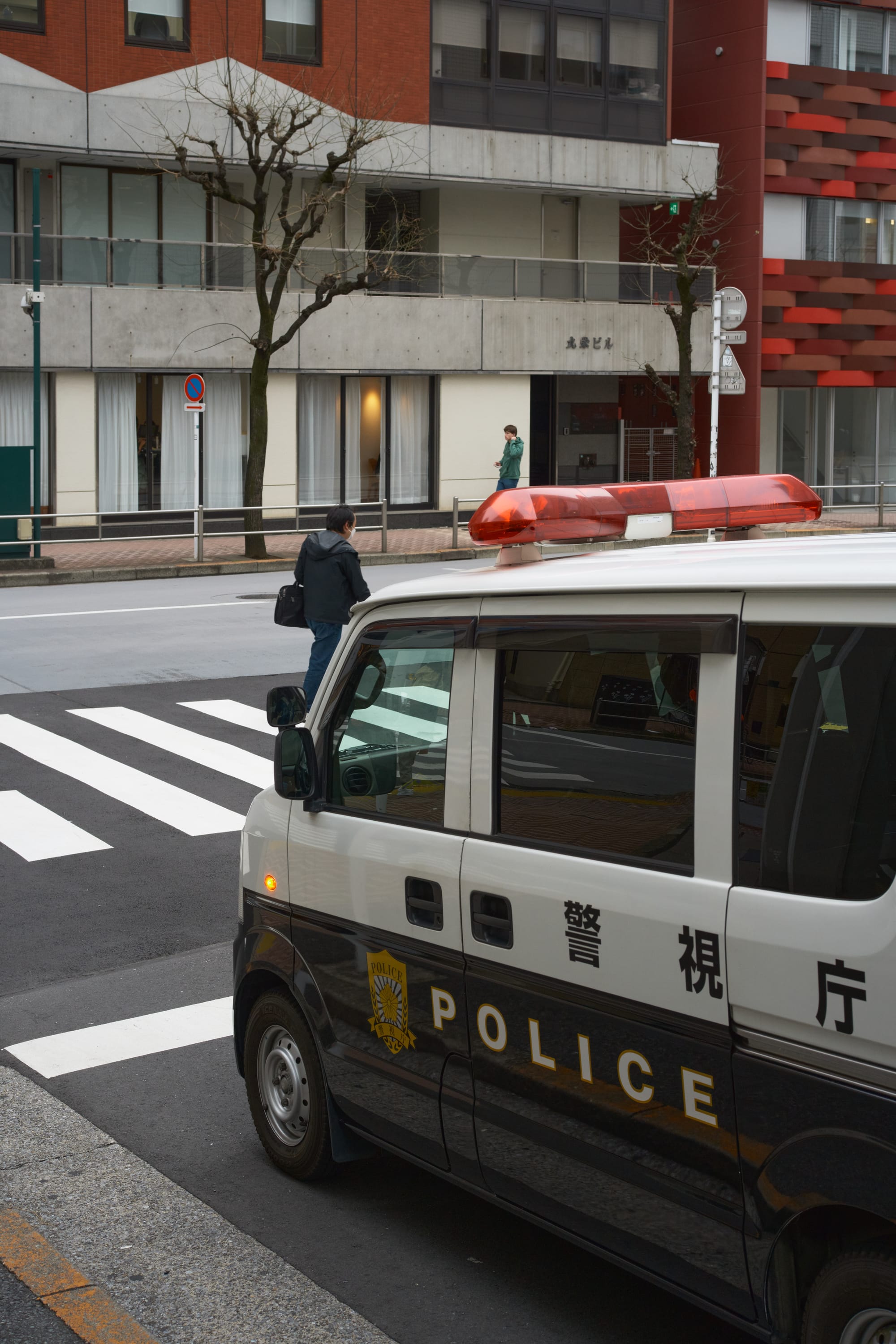
Can't help but compare to the US. Japan does have an advantage from its homogeneity - only 2.3% of the population is foreign. Deep traditions, focus on respect, and a collectivist tendency to follow government directives have created a truly unusual place that I believe is one of the last of such kind on Earth. On the other hand, economically Japan has been flat for the last thirty years and is on the precipice of population collapse. Our guide told us that retirement continues to slip deeper into old age, most elderly having to continue working to supplement their income. I don't know enough to comment on bad policy, but suspect there's also a behavioral element.
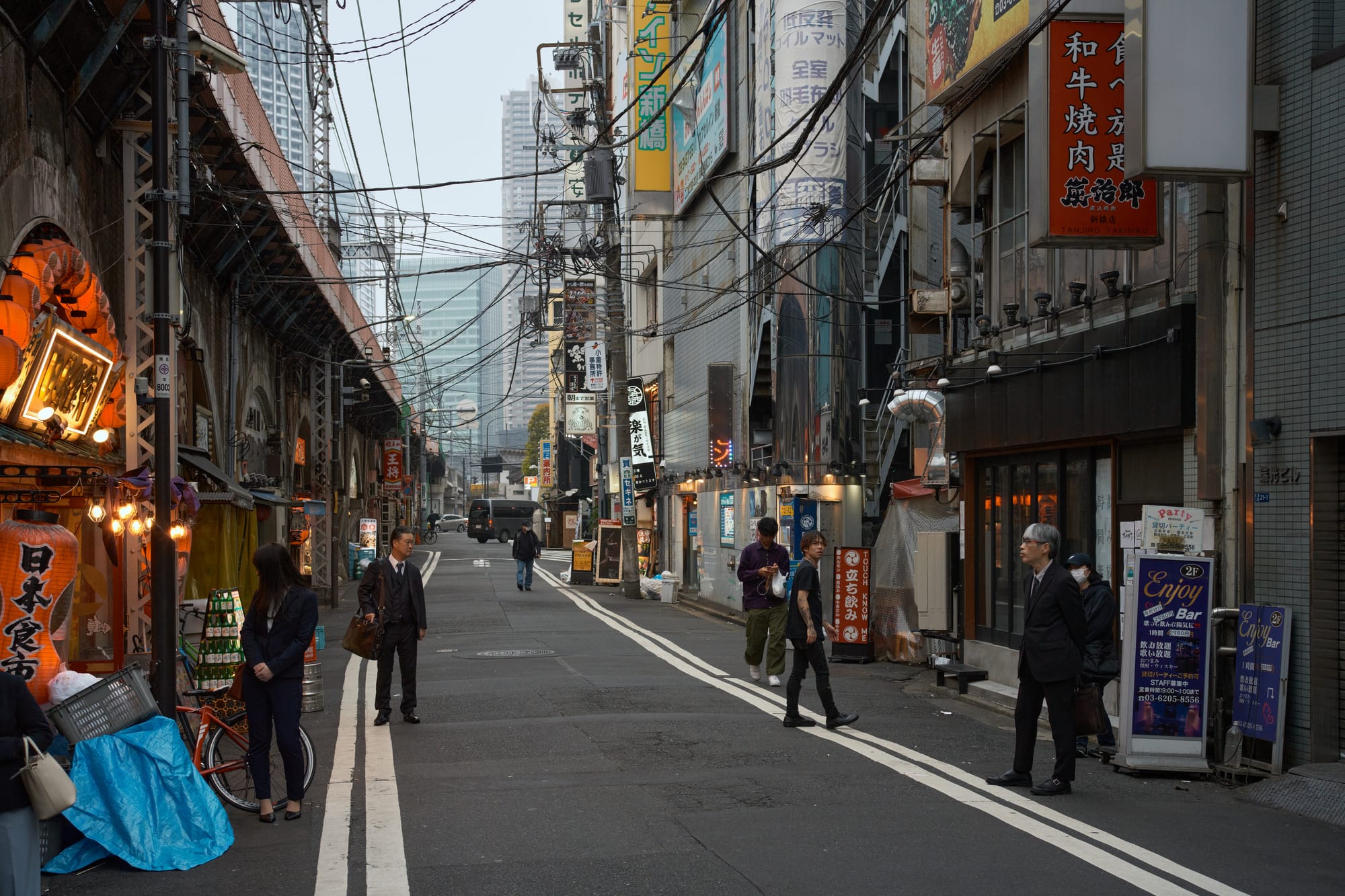
I ran or walked most of the mornings on the trip. Family always manages to deal with jet lag better, so they snore away while I'm prowling from corner to corner in the hotel room. I would typically wait to just before sunrise, grab my phone or camera, and head out for a couple of hours. It gave me a chance to see a less busier side of our destinations, especially in Kyoto, where the narrow streets are incredibly packed during the day. On the second day in Tokyo I saw the famous salarymen, and women, emerge from bars at 6 in the morning, still tipsy from the night of drinking the work week away. In another alley a drunk office worker was being summoned from the sidewalk by a less impaired colleague. Seems like even the most proper of cultures will find a release valve and it includes more than drinking. Yes, you know what I'm talking about.
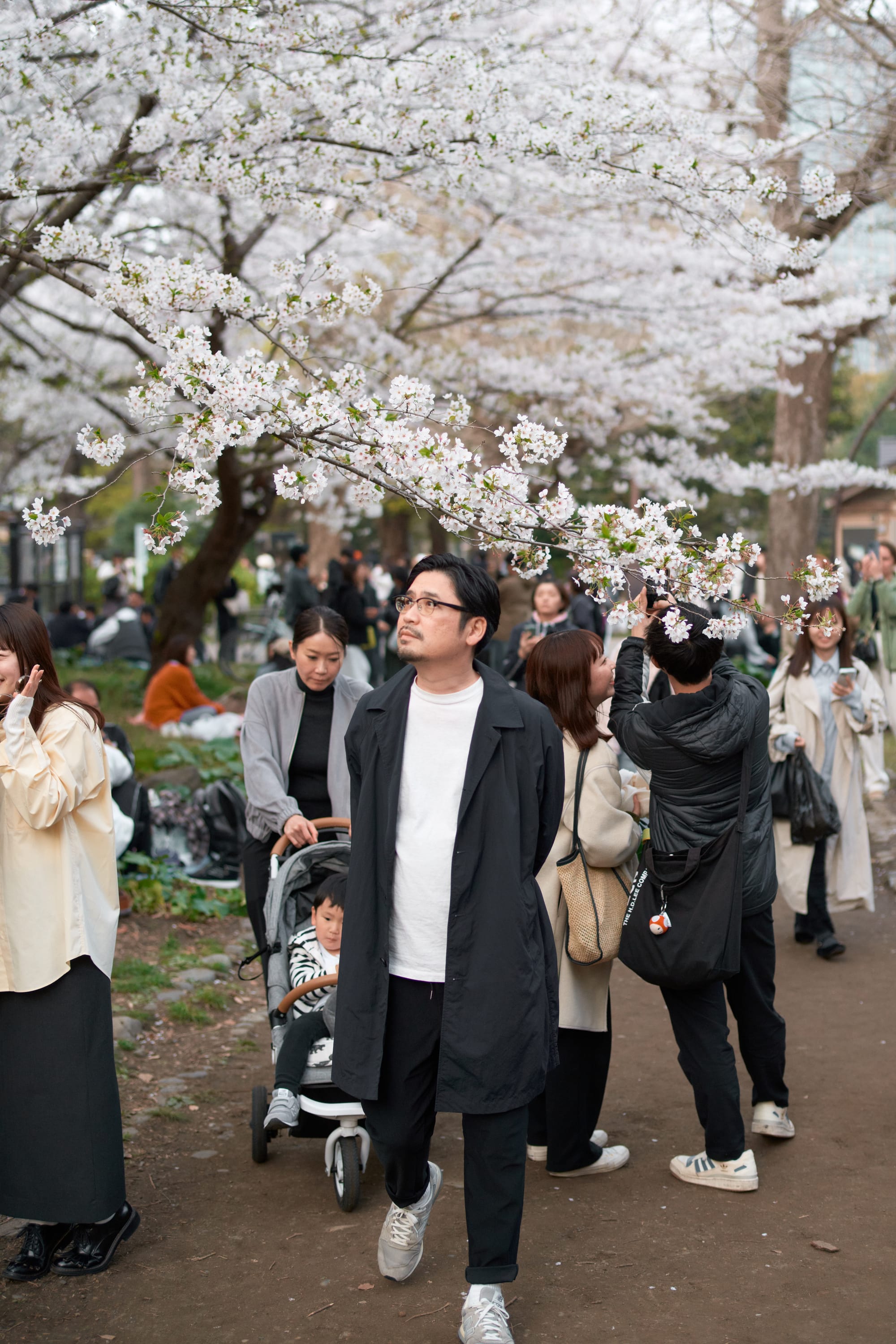
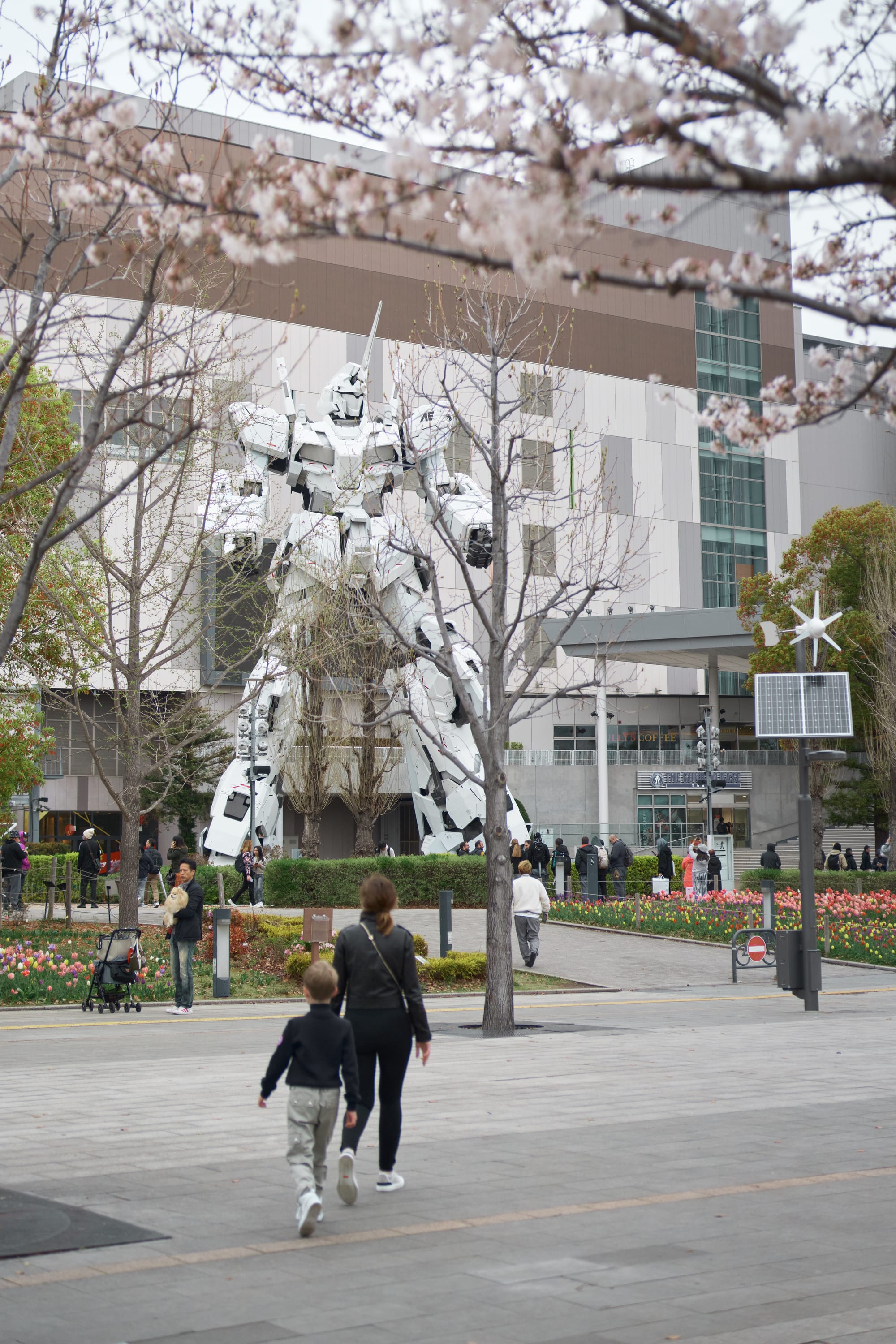
We were lucky with our timing for the trip. We landed in Tokyo just as the cherry blossoms were about to bloom. As we made our way to Kyoto and beyond, the warm weather followed us and we ended up having two continuous weeks of sakuras in their prime.
Onwards to Kyoto on the bullet train!